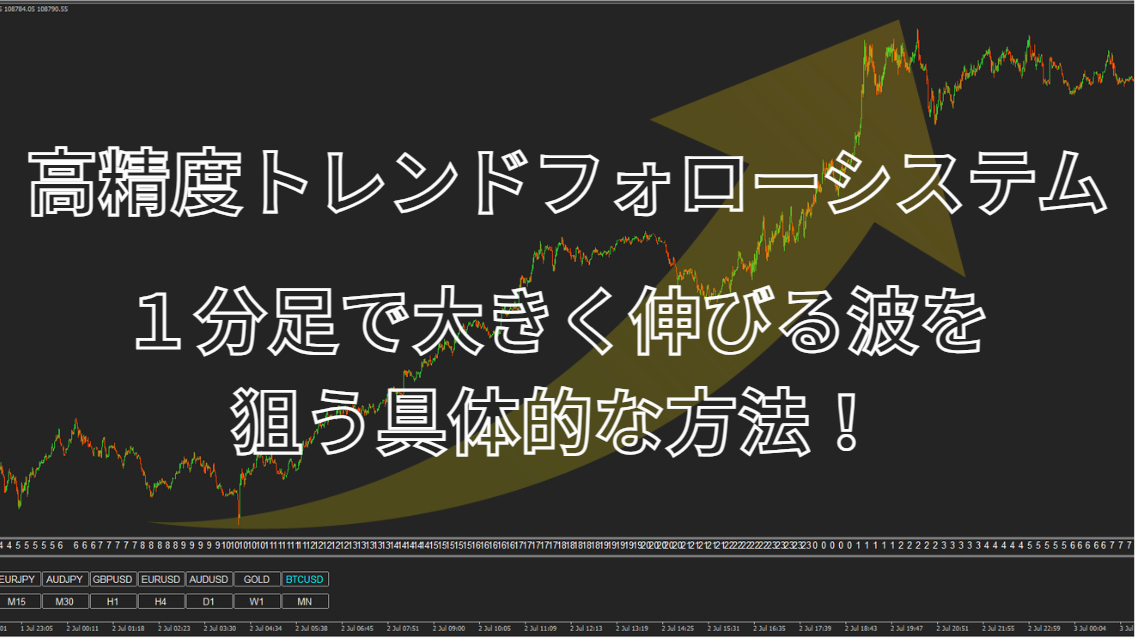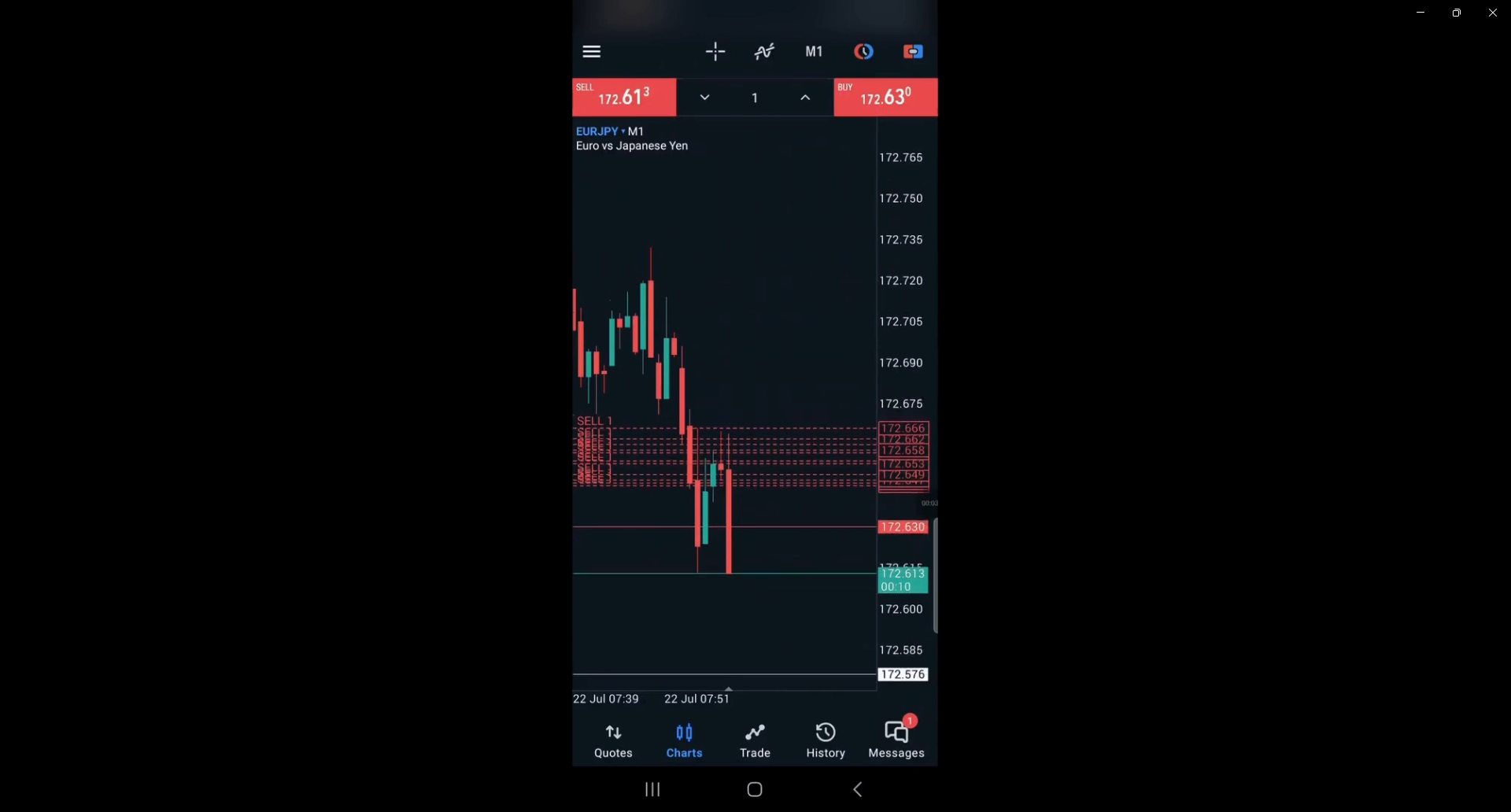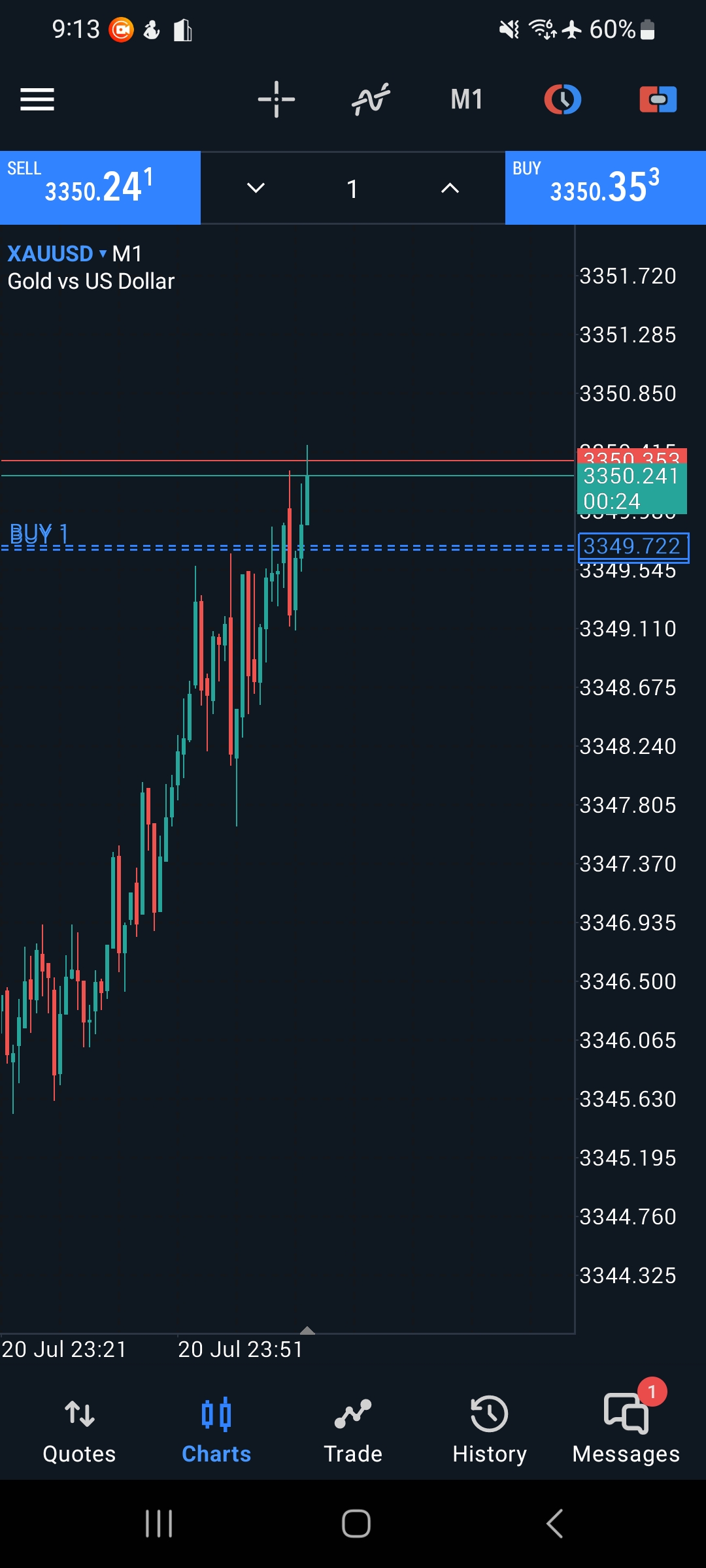

"Still don't know how to catch waves that tend to grow bigger?" ★No worries! I'll teach you!★【 2025年06月19日 】
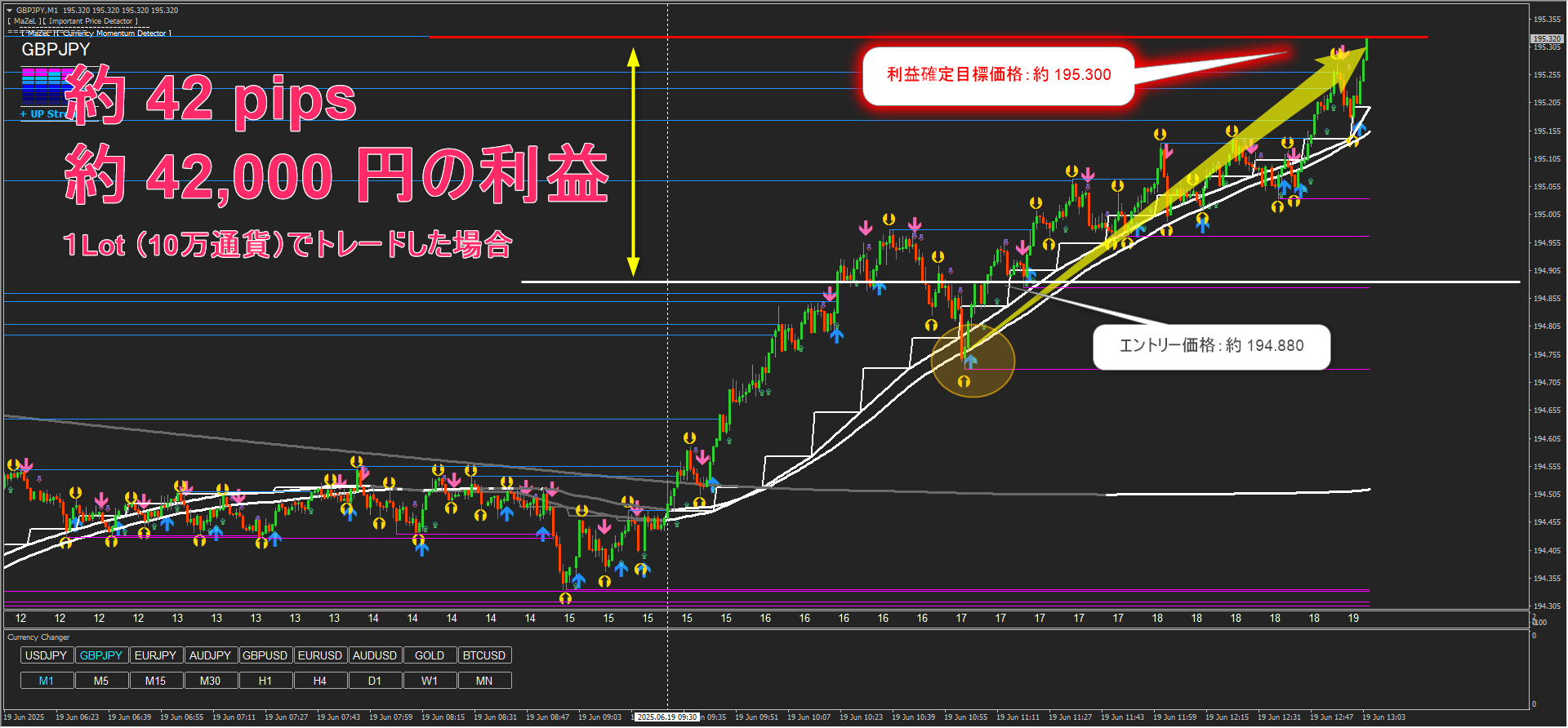
【 2025.06.19 】 Let's take a look at the GBP/JPY chart.
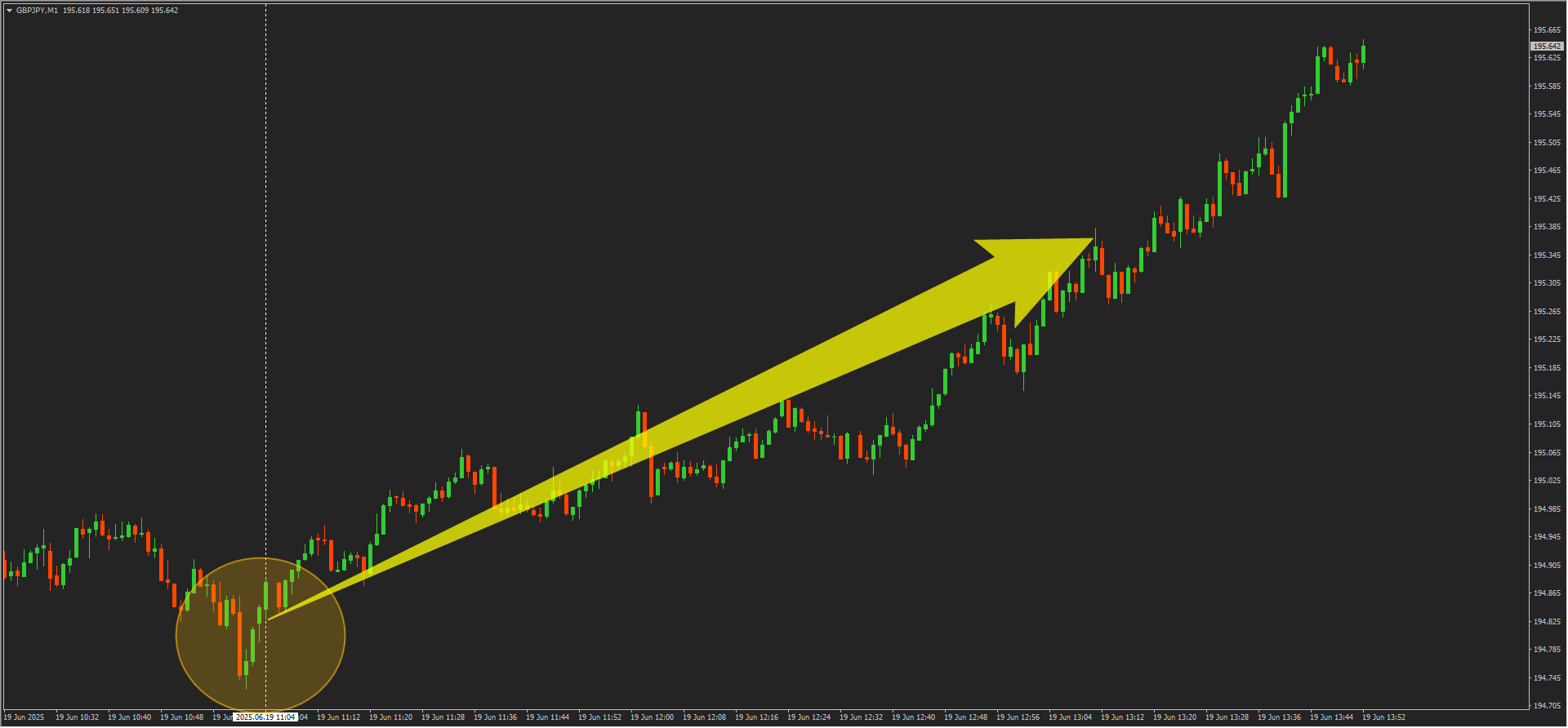
Today, it’s easy to capture a large move here.
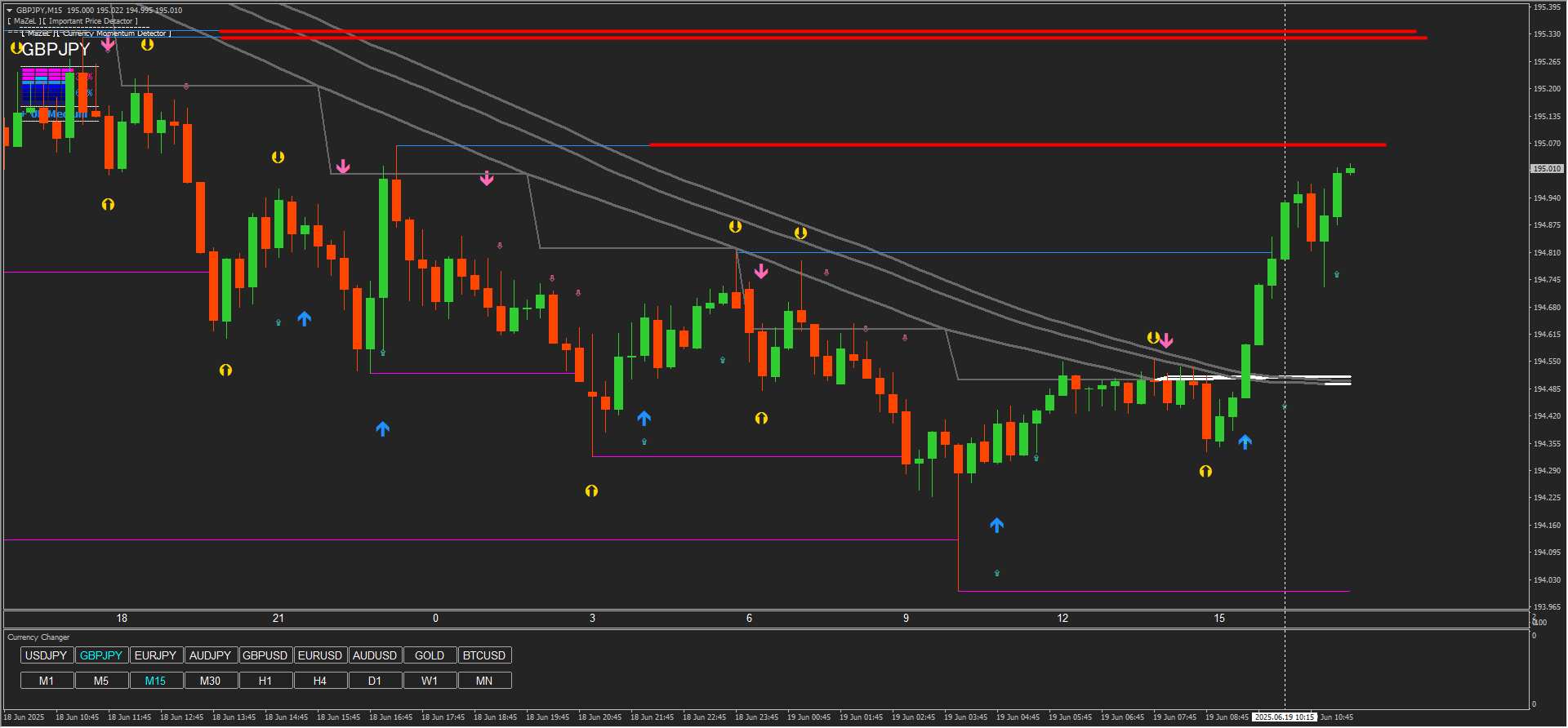
Look at the 15-minute chart, and then enter on the 1-minute chart.
It’s an image like the one below.
Confirm profit-taking target by IPD on the 15-minute chart.
↓15-minute chart↓
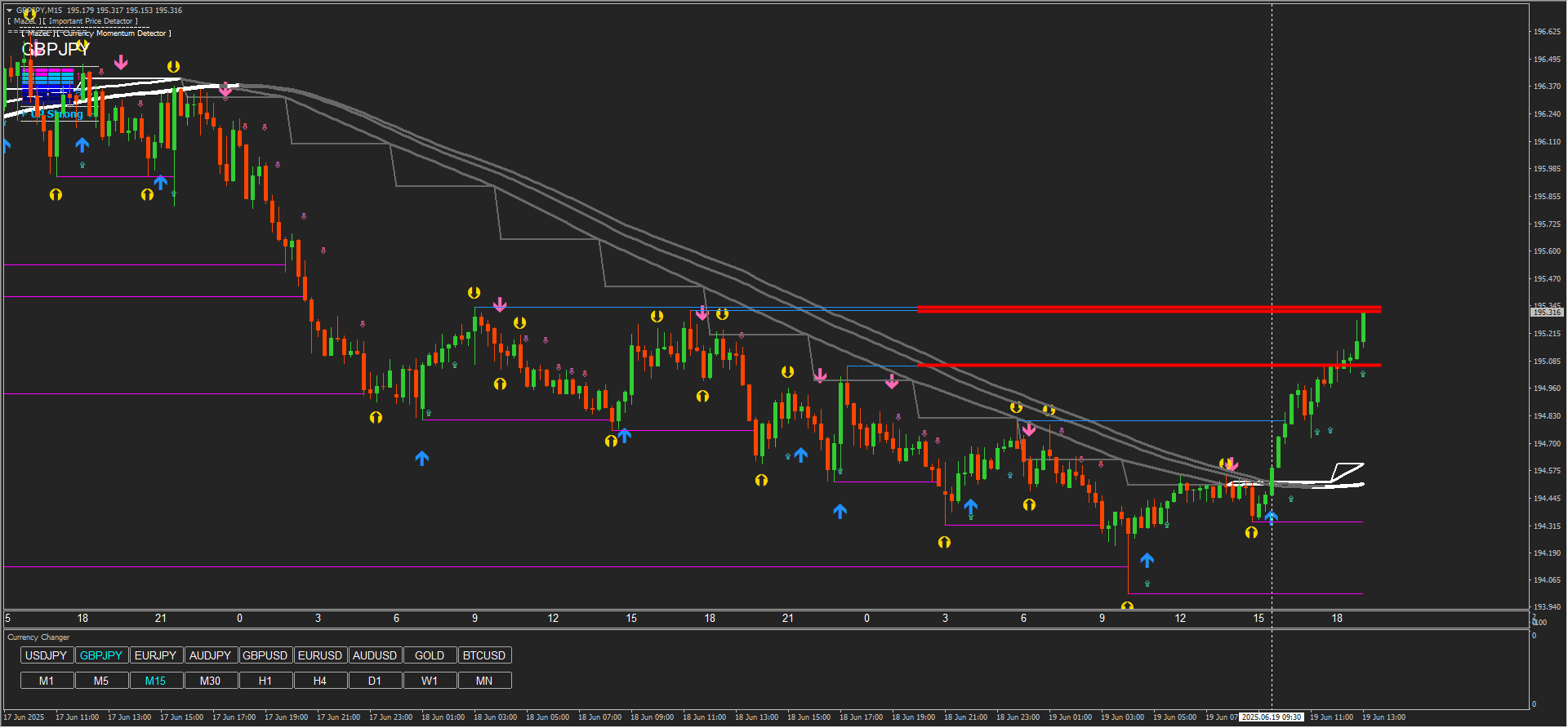
↓ 1-minute chart ↓
If you would like to trade like this,
please watch until the end.
Please look at the following images.
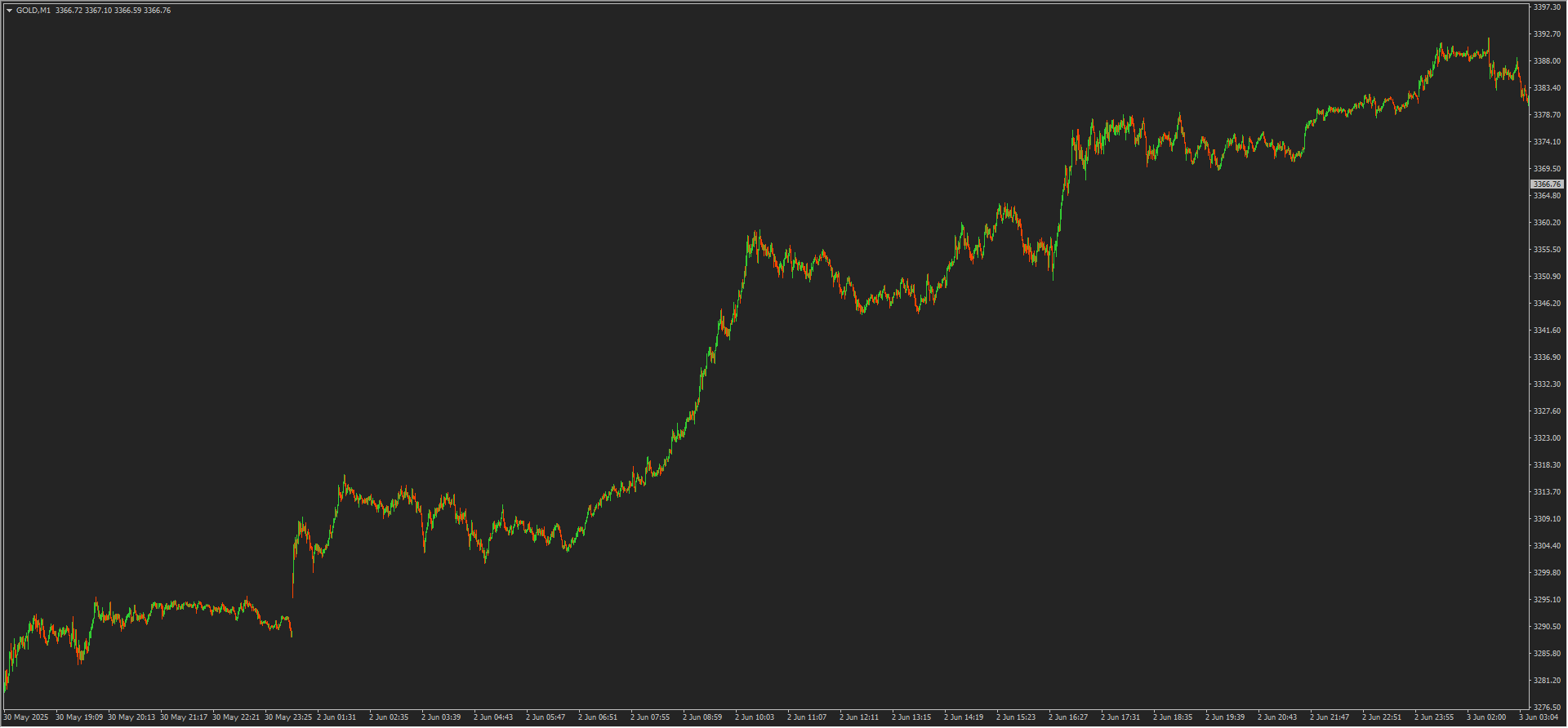
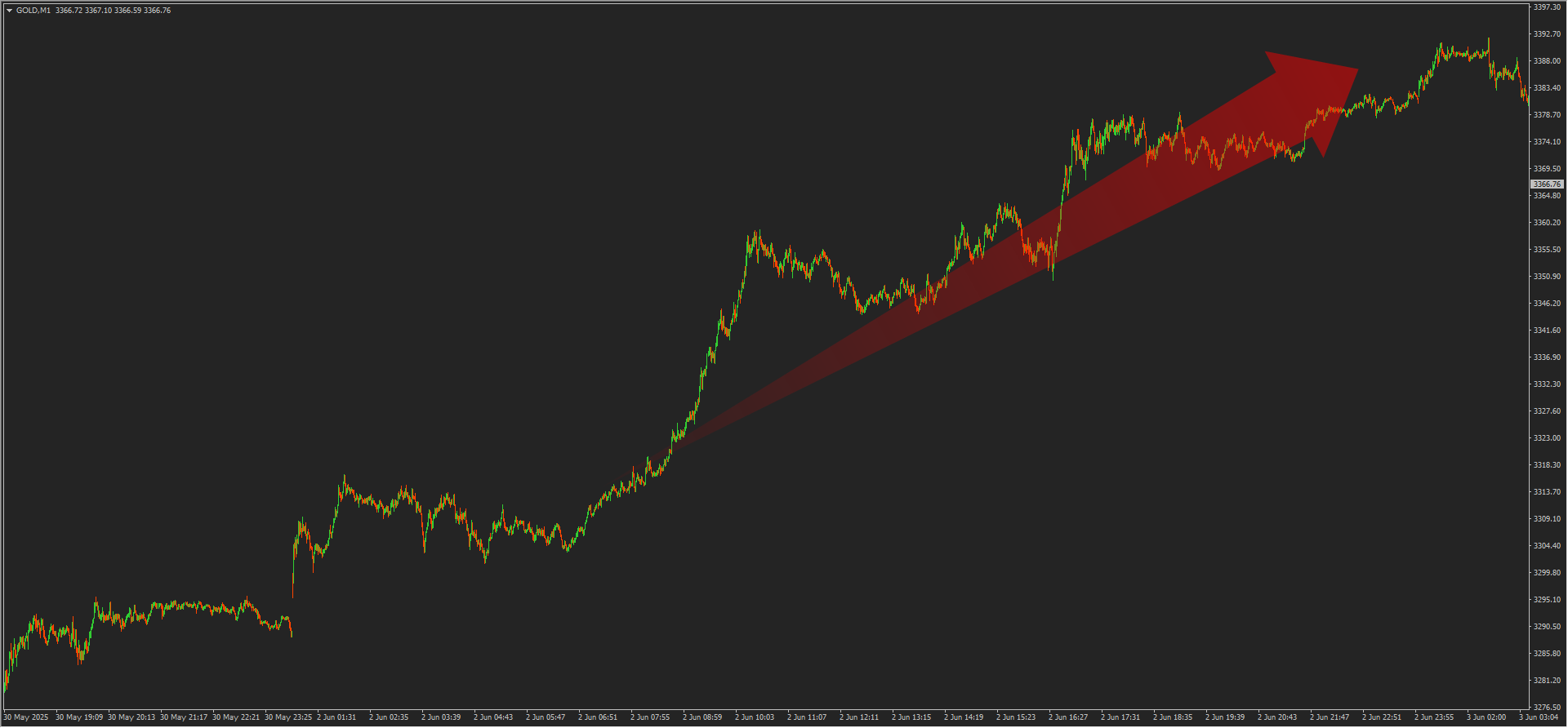
This is the 1-minute chart for GOLD on Monday this week (2025-06-02).
It rose sharply in just one day.
Watching this kind of move,
I think, “I want to ride the big wave.”
“If I could ride such a wave, the risk-reward would be the best.”
“I want to make a lot of money.”
I keep thinking so, but I’m just watching with my fingers crossed...
Even if I strategize, I can’t seem to implement it...
If, while reading this article, you have worries about not being able to ride such a wave,
please read the following article!
A method to solve itwill be shared!
So, how should we target it?
A method that beginners can easily envision is
“Target the big wave using lower time frames”
I think this is the strategy.
Please look at the image below.

We showed the earlier rise on the 15-minute chart and applied a white frame to the area.
Let's observe the movemenet of the wave.
Note: from here on, the way to draw waves varies by person, so use this as a reference.

As drawn with the yellow line, waves are being formed on the 15-minute chart.
Since the 15-minute chart is 15 times the size of the 1-minute chart,
if you can capture even one wave, you can aim for a high risk/reward ratio.
Let’s confirm this on the 1-minute chart.


On the 1-minute chart, waves are forming as shown by the red line.
“I understand the wave movement, but how do I enter?”
This question may come up for some people.
Let’s examine several widely known methods.
For example, with Dow Theory or line trading,

the analysis is simple, but it seems possible to perform such analysis.
Since the methods and wave interpretations depend on the individual,
the above example is just a sample,
and especially beginners may find it difficult.
Also, when using moving averages which are widely used,
you may be even more puzzled.
※ Short-term: 20 SMA & EMA
※ Medium-term: 50 SMA & EMA
※ Long-term: 200 SMA & EMA
※ Refer to numbers often seen in books, online articles, videos, etc.

However, those who have achieved results might think like this.
- It’s important to narrow down and train in the method you use
- Use indicators to shape the wave interpretation and set standards
- Master winning and losing patterns
- Study by observing many different entry points
et cetera...
Indeed, there are many ways to profit in financial markets,
and starting by narrowing to one method and mastering it
is not something to deny; rather, it’s a shortcut.
However, how long it takes,
whether that method is truly optimal for you,
and even with study, the average risk/reward might be “−1 : +1.5”
and the win rate might be about “55%.”
Some may say, “If there’s profit, that’s fine.”
However, if you can change the situation to avoid unsatisfactory outcomes after putting in effort,
then I think that would be ideal.
In the market, macro-wise, similar patterns appear many times, but
micro-wise, identical patterns do not recur,
and there will be times when you need to rethink each time.
Of course, it’s wonderful to seek the method that suits you.
However, being able to profit while continuing to search for a method that fits you
is a very meaningful environment to create.
If I apply the “Moukou Iron Guard” that I’m developing,
in the previous market, it’s possible to enter with a simple 4-step process as shown in the image below.
↓ 15-minute chart ↓

↓ 1-minute chart ↓

↓ Overall view of the 1-minute chart ↓

If you’re interested in the details of the system,
I would be grateful if you could view it at the URL below.
There are monitors who increased sixfold in one month, and
Increase assets with "attack and defense".
Destructive power × high-speed trading system!