

What is a cold wallet? A thorough explanation of the differences from hot wallets and which exchange to choose!
As cryptocurrency exchanges face a series of hacking incidents, storing funds in a cold wallet is also important for security reasons.
Moreover, more exchanges are using cold wallets.
So, what exactly is a cold wallet?
Since many people believe it is better to store assets in a cold wallet than a hot wallet, it’s worth understanding cold wallets.
What is a Cold Wallet
A cold wallet is what you use to manage cryptocurrency transactions, essentially your wallet.
Its biggest feature is that it can be stored completely offline from the internet, so your cryptocurrency is not at risk of theft when stored in a cold wallet.
Therefore, owning a cold wallet is very important for protecting valuable assets when investing in cryptocurrency.
Difference Between Cold Wallet and Hot Wallet
The difference is that a cold wallet can be connected to the internet when needed, whereas a hot wallet is always connected to the internet.
A representative hot wallet refers to apps or exchanges that are easily used on smartphones or browsers, but because hot wallets are constantly online, the risk of hacking is very high.
In addition, information and keys (secret keys to use the wallet) are managed offline with cold wallets when making transfers.
In fact, the hacking incident at Coincheck occurred because valuable assets that should have been stored in a cold wallet were kept in a hot wallet, triggering the breach.
Thus, while hot wallets are easy to use, it is important to know that they have a higher risk of hacking.
Conversely, although it takes time to learn how to use a cold wallet, it significantly reduces the likelihood of hacking.
Types of Cold Wallets
Two types of cold wallets that can be completely disconnected from the internet are hardware wallets andpaper wallets.
In simple terms, the difference above is whether they are easy to use or not.
Now, let’s look at each in detail.
Hardware Wallet
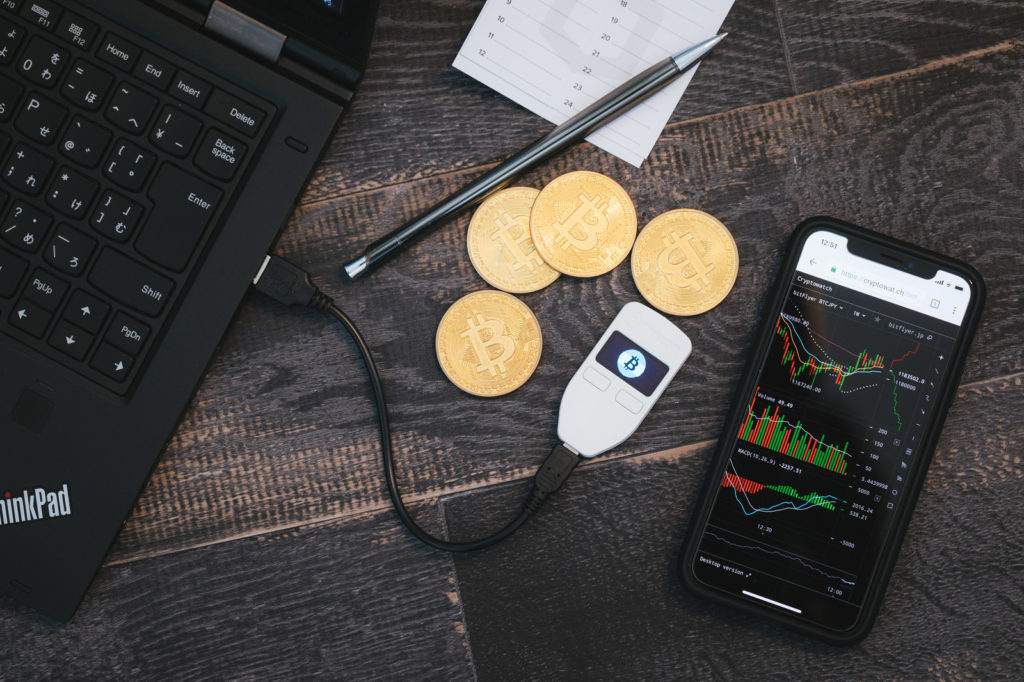
The advantage of hardware wallets is that as long as you can verify the secret key, you can recover it on other wallets in case of an emergency.
However, it requires a certain degree of knowledge and information gathering, so for those who are not comfortable with technical operation, it can be cumbersome.
Generally, it looks like a USB-connected stick to a computer, and as long as you understand the mechanism, operation is simple.
Hardware wallets range in price from about 5,000 to 6,000 yen to in the high tens of thousands of yen.
Designs and sizes vary widely, so you can choose one that suits your preference.
The price differences for hardware wallets reflect whether they are dedicated to managing Bitcoin alone or capable of handling various altcoins, with flexibility in specs.
Paper Wallet
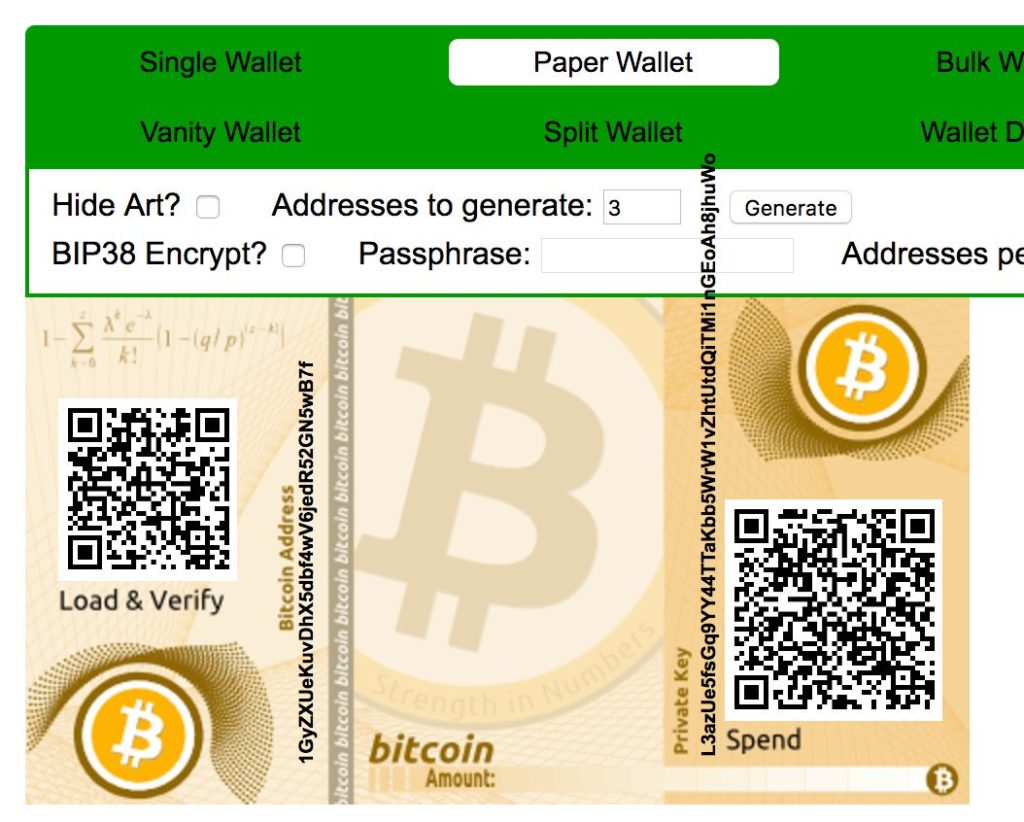
Source:Twitter
A paper wallet can be used easily just by printing it out and can be handled like banknotes.
Additionally, a paper wallet can be handed over to a third party easily.
However, like banknotes, there is a drawback that if it is lost, it cannot be restored.
Currently, hardware cold wallets are generally used.
How to Use a Cold Wallet
Hardware Wallet.......Continue here ⇩
>>>See the official site of Crypto Trivia