

That won't win, you know? The moving average cross is not an entry point.
Entering on a cross of moving averages may initially seem like a simple and easy-to-understand strategy. However, do you know that it can be a source of losses? By understanding the correct use of moving averages, you can avoid unnecessary failures and significantly improve your win rate.
Many beginners place too much trust in moving average crossovers, which is a major pitfall. It isn’t wrong, but trusting it alone is questionable. This article will consider moving averages from basics to their weaknesses and how to use them.
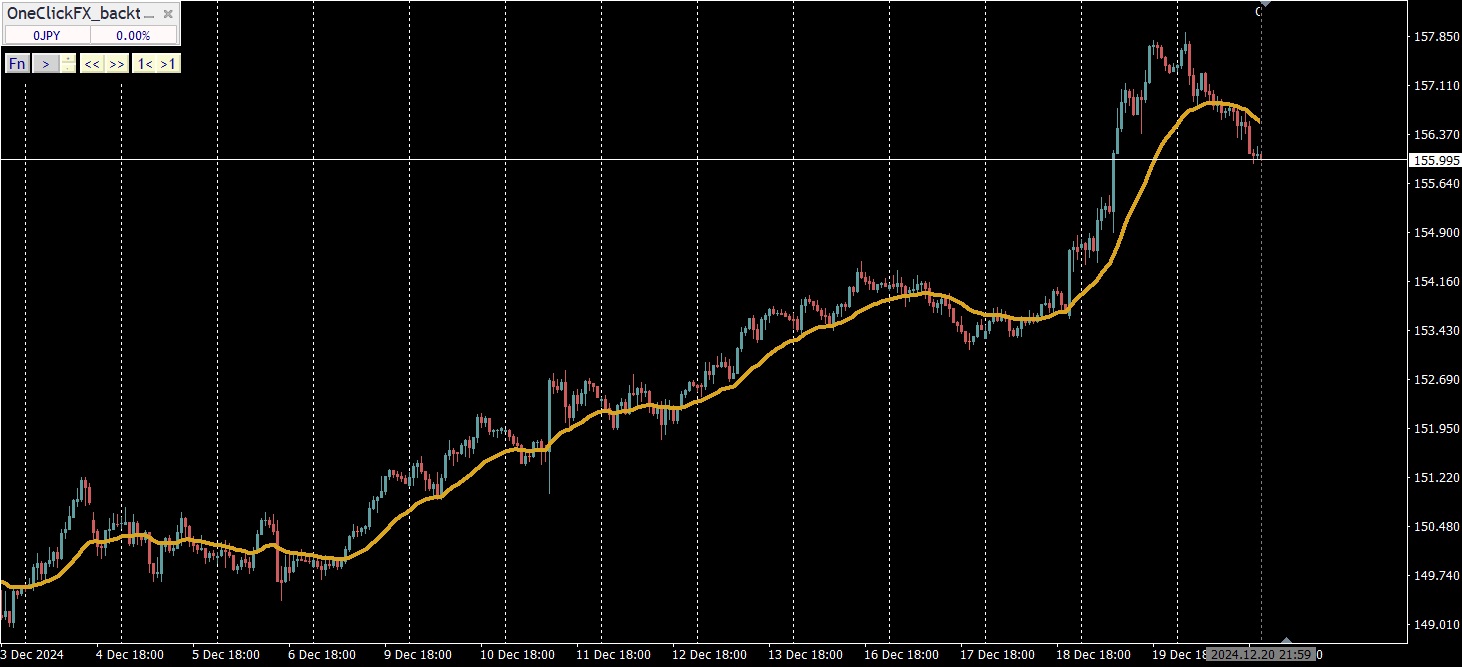
What are Moving Averages?
Moving averages are lines formed by averaging past values and connecting them. They are used to visualize trends clearly, with simple moving average (SMA) and exponential moving average (EMA) being the main types.
Because these indicators are based on past data, they are considered lagging indicators. Therefore, they are not well-suited for catching the start of a trend, but they are useful for confirming trend continuation or termination.
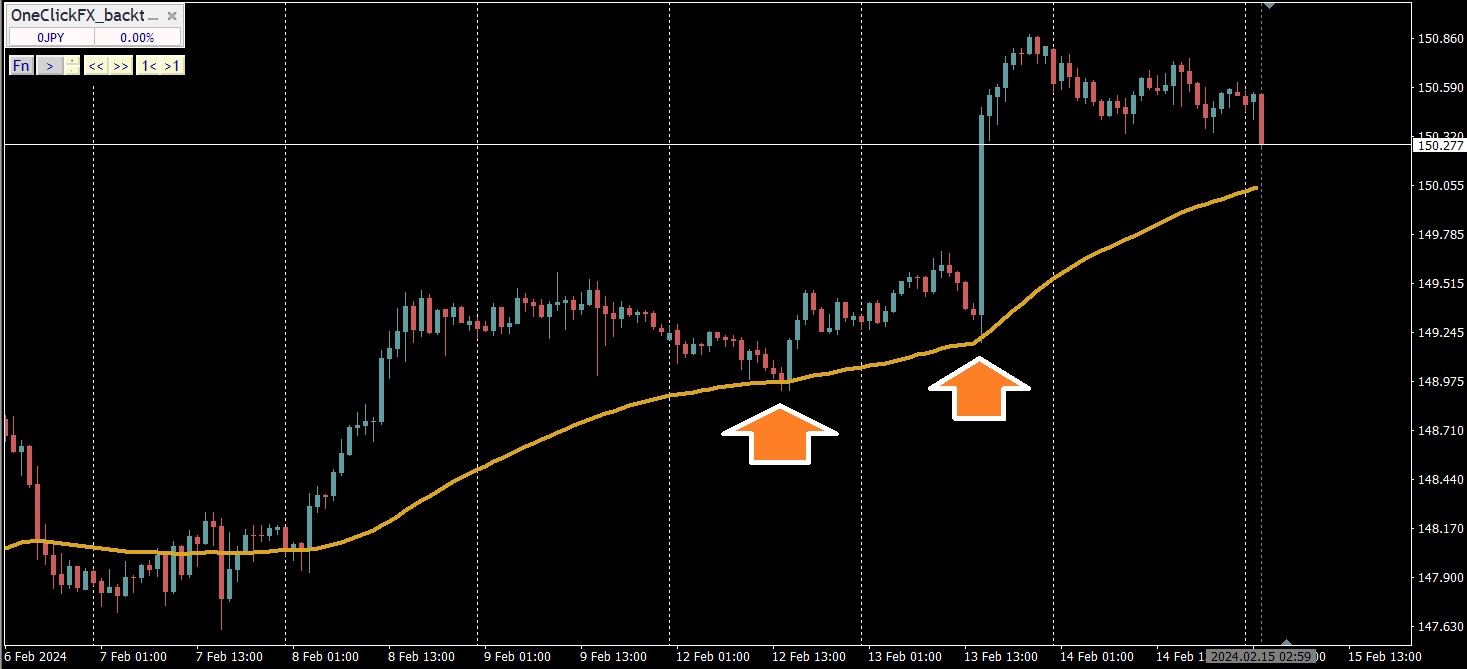
■Why do prices bounce off moving averages?
Moving averages act as a “psychological benchmark” that many traders watch. When prices approach the moving average, many traders place trades, making rebounds and movements more likely.
Understanding this property helps you grasp how moving averages influence the market.
■Drawbacks of Moving Averages
Moving averages have the following drawbacks.
Lag:Because they are based on past data, by the time a signal appears, the price has often already moved significantly.
Weak in range markets:Moving averages are effective in trending markets, but in range-bound markets where prices move within a fixed range, they may not be helpful.
Low reliability on its own:Relying on moving averages alone to decide entries or exits can lead to more false signals. They should be used in combination with other indicators and analyses.
■Why entries based on crossovers don’t win
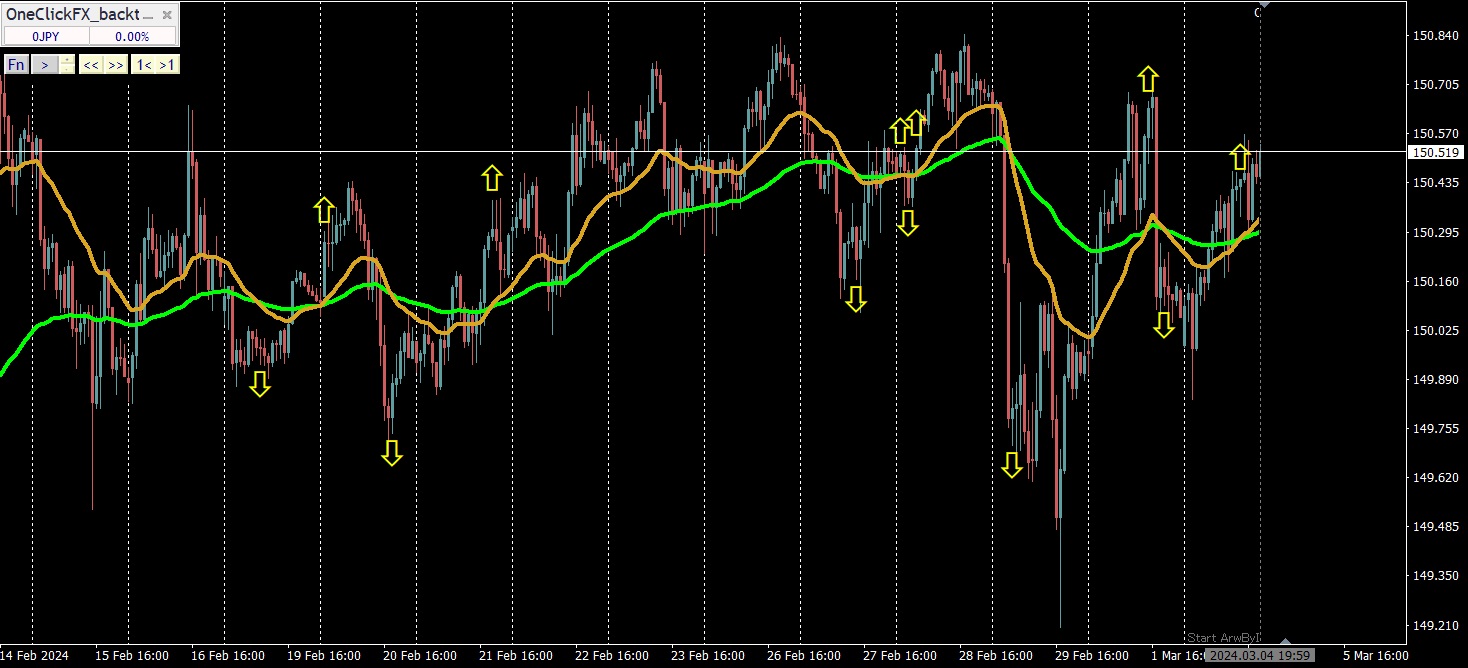
Moving average crossovers are popular entry points for beginners, but they have a major flaw. By the time a crossover occurs, the price has often already moved strongly in the trend direction, so entering based on the crossover alone can result in being “late.”
For example, a Golden Cross (short-term line crossing above long-term line) suggests an uptrend, but by the time this crossover is confirmed, the price has already risen, increasing the risk of a loss if you enter. Of course, if the trend continues afterward, that would be fine, but even a small reversal can lead to losses and may force you to cut losses.
If this repeats as in the image above, the pattern can become a never-ending back-and-forth, literally. Building an automated entry system in such a market would lead to substantial losses, needless to say.
To avoid these risks, do not rely on crossovers alone; use multiple timeframes through MTf (Multi-Time Frame) analysis and combine with other indicators for a comprehensive judgment.

Correct Use of Moving Averages
■MTF (Multi-Time Frame Analysis)
Check the direction of the trend on longer timeframes and look for entry points on shorter timeframes. For example, confirm an uptrend on a 1-hour chart, then search for a pullback point on a 5-minute chart.
■Buying on dips / Selling on rallies
If moving averages act as support or resistance, consider entries near those lines.
- Enter a buy when price touches the moving average in an uptrend and bounces.
- Enter a sell when price retraces to the moving average in a downtrend and then falls.
■Judging the end of a trend
If the moving average becomes flat or the price breaks significantly through the moving average, this may indicate the end of the trend.
■Improve accuracy by combining with other indicators
Combining moving averages with other indicators can further improve trading accuracy.
- RSI: An indicator to confirm whether a market is overbought or oversold.
- MACD: Works well with moving averages and helps assess trend strength.
- Bollinger Bands: Uses bands based on moving averages to help identify rebound or breakout points.

Moving Averages are about the past, not the future.
This is not the only topic about moving averages, but indicators are based on past results and do not predict the future.
Moving averages are important tools to confirm “trend direction” and “trend termination.” However, using them alone as an entry point is extremely risky. In particular, strategies relying on moving average crossovers tend to be late, so you should use multiple timeframes and other indicators in conjunction.
By understanding the correct use and applying moving averages wisely, you can dramatically improve trading accuracy. Don’t rely solely on moving average crossovers; make strategic judgments to increase your win rate.