

"LTRO" and "TLTRO" Now ECB easing measures! ~ FX terminology explanation ~
Last weekend, the euro fell sharply before the London fix.
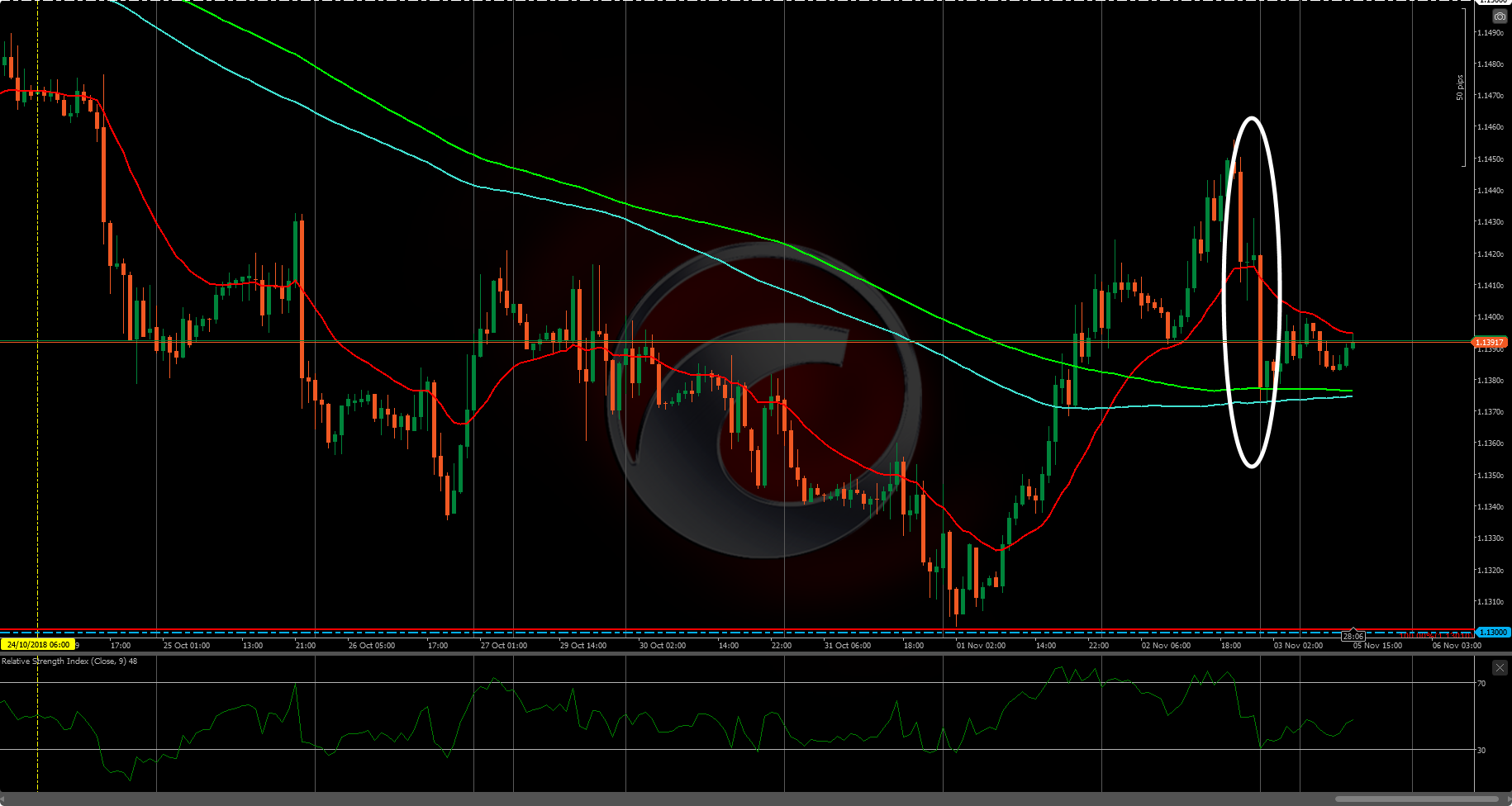
EUR/USD Hourly Chart
Some news agencies reported that the European Central Bank (ECB)
“TLTRO”???
What could this be all of a sudden!? Many might think, “Again, now already!?” So, here is a simple summary.
To explainTLTRO,we need to explain LTRO.
“LTRO” refers to “Longer-Term Refinancing Operations.” What is it? It is part of easing policy, a policy to directly lend funds to banks. Naturally, the loan rates are very low.
Then, what is “TLTRO?”It means “.”Conditional Long-Term Refinancing OperationsLTRO and TLTRO differ in that the “T” stands for “conditional.” It is a policy that directly lends funds under conditions.
There are several conditions, including time-related conditions and how the funds may be used.
In the ECB’s case, because TLTRO is implemented as a loosening policy, it needs usage of the loans by the market to be meaningful, so there are conditions on how the funds are used.
Then, what is the difference between “quantitative easing” and “TLTRO”?
“Quantitative Easing” involves issuing government bonds and purchasing them to inject funds into the market.
In contrast, “TLTRO” is supplied as direct lending to banks and others.
Whether it is “LTRO” or “TLTRO,” both are forms of easing policy.
If this year ends with QE ended and tapering ongoing, why would they do something that seems counter to that?
Perhaps aimed at Italy...
Currently, Italy and the European Commission are at odds over the budget. Italy has been asked to revise the budget, with a deadline approaching next week.
Italy insists on not revising the budget.
One possible compromise in this standoff is that the ECB may introduce a “TLTRO.”
↓↓↓ For details on the Italian budget, see below ↓↓↓

Moody’s rating agency: Italy downgraded! – Explaining FX and ratings
In conclusion,With easing ending and expectations of tapering,the euro that had been bought up earlier wasdue toease policy? the euro sold offas a result.
Going forward, along with the Italian budget, we will also pay attention to “LTRO” and “TLTRO.”