

Bank of Japan's monetary policy.
This is Kotsumeko, who nearly lost sight of the height of vegetables at the supermarket, hello.
Besides the weak yen, due to the weather as well, prices have risen this much! ( ゜Д゜)
Speaking of the impact of the weak yen, there’s talk that the new iPad will also become expensive, or maybe not.
Well, I don’t plan to buy anytime soon anyway! ( ゜Д゜)
Now, from yesterday’s online news.
Introducing an article by financial analyst Hiroyuki Kubota.
(Below, quotes)

Roadmap predictions for Bank of Japan normalization; July rate hike expected moved up to June
On the 13th, U.S. Treasury Secretary Janet Yellen said regarding major countries’ currency intervention that “if there is excessive fluctuation, it is possible to intervene, but unless there is a more fundamental policy change, it does not always work.”
This is not naming Japan specifically, but I think it can be read as commentary on the currency intervention moves on April 29 and May 2.
As a result, interventions become more difficult, and it can be said that moves toward “fundamental policy changes,” i.e., normalization of monetary policy by the Bank of Japan, are being sought.
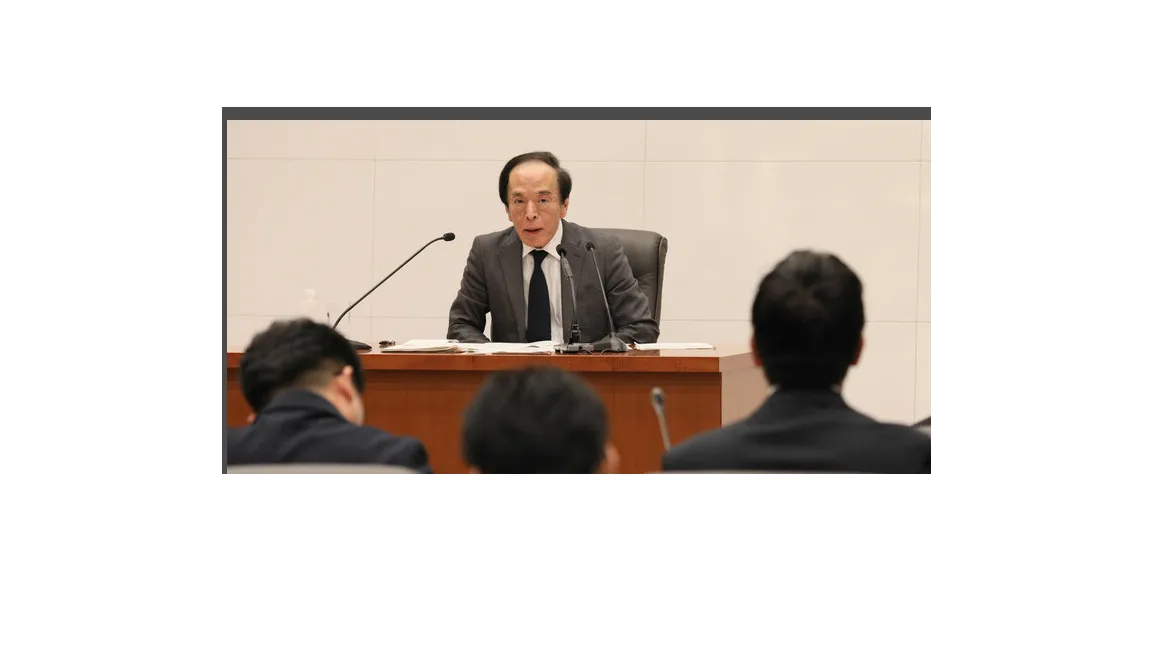
BOJ Governor Kuroda spoke with Prime Minister Kishida at the official residence on the evening of May 7, discussing the impact of exchange rates on the economy and prices. From this point, the BOJ’s stance began to change significantly. In the main opinions at the monetary policy meeting on April 26, which should have been uneventful, there were many opinions favoring rate cuts and reducing purchases of government bonds.
On May 13, the amount of purchases of government bonds with maturities longer than 5 years and up to 10 years was reduced by 4250 billion yen from 4750 billion yen on April 24, marking the first reduction since the BOJ ended yield curve control in March.
Taking these moves into account, barring a sharp deterioration in domestic economy or a major earthquake, it is expected that the BOJ will continue to advance toward normalizing monetary policy.
At the June 13-14 monetary policy meeting, many expect an official decision to reduce government bond purchases. However, that alone might not be enough to create an impact. There is a possibility of a 0.25% rate hike.

I had originally forecast a 0.25% rate hike in July and December this year. But I would like to move that to June and September. If possible, I would also implement a move from 0.50% to 0.75% in December, the most challenging hurdle.
Regarding the reduction of government bond purchases, I expect the issuance amount from April to be reduced soon, followed by a cautious approach. Also, discussion on ETF sales should proceed within the year.
In the U.S., the timing of rate cuts is expected to be sought toward the end of the year. However, the impact of the U.S. presidential election is hard to forecast.
Regarding the BOJ’s “rate hikes,” it is unlikely that the United States would oppose. This would advance the normalization of monetary policy in line with price levels, and we also hope that the yen’s weakness will be somewhat corrected.
However, there is also the risk of growing political pressure; a hike to 0.75% would indeed be a big hurdle. Of course, there are politicians who oppose even a 0.25% hike, but that pressure has considerably waned, perhaps.
…That is what they say.
A rate hike, huh.
By the way
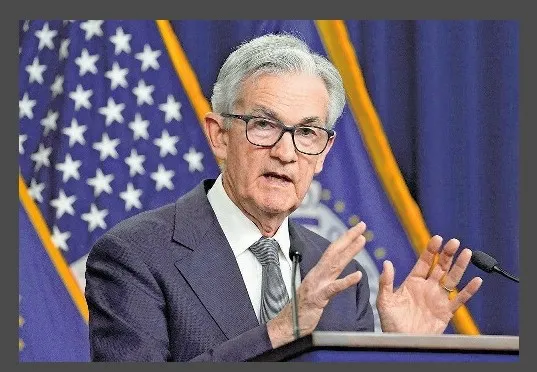
Powell Chairman tests positive for COVID-19, U.S. Fed
That’s the news.
Please take care of yourself.
(Please purchase from here ↓)
× ![]()