

Foreign exchange intervention?
Why do sakura flowers, which bloomed so beautifully, scatter so quickly into rain and wind?
Hello, this is the Kobushi-kko who wanted to have more cherry blossom viewing.

Now, there was some news that caught my attention.

Below is a quotation from Yahoo News.
↓
With the yen at a yen depreciation level not seen in about 34 years in the foreign exchange market, the focus is on whether the government and the Bank of Japan will intervene in the currency market. Fueled by expectations of earlier rate cuts by the U.S. Federal Reserve, the yen’s weakness accelerated, and the exchange rate hovered just in front of 1 USD = 152 yen, a level market participants call a “defense line.” The yen’s depreciation is pushing up prices, so the Ministry of Finance is tightening its market stances.
■ “No options off the table”
On the 9th, the dollar/yen rate in the Tokyo foreign exchange market remained in the upper 151 yen range for the entire day.
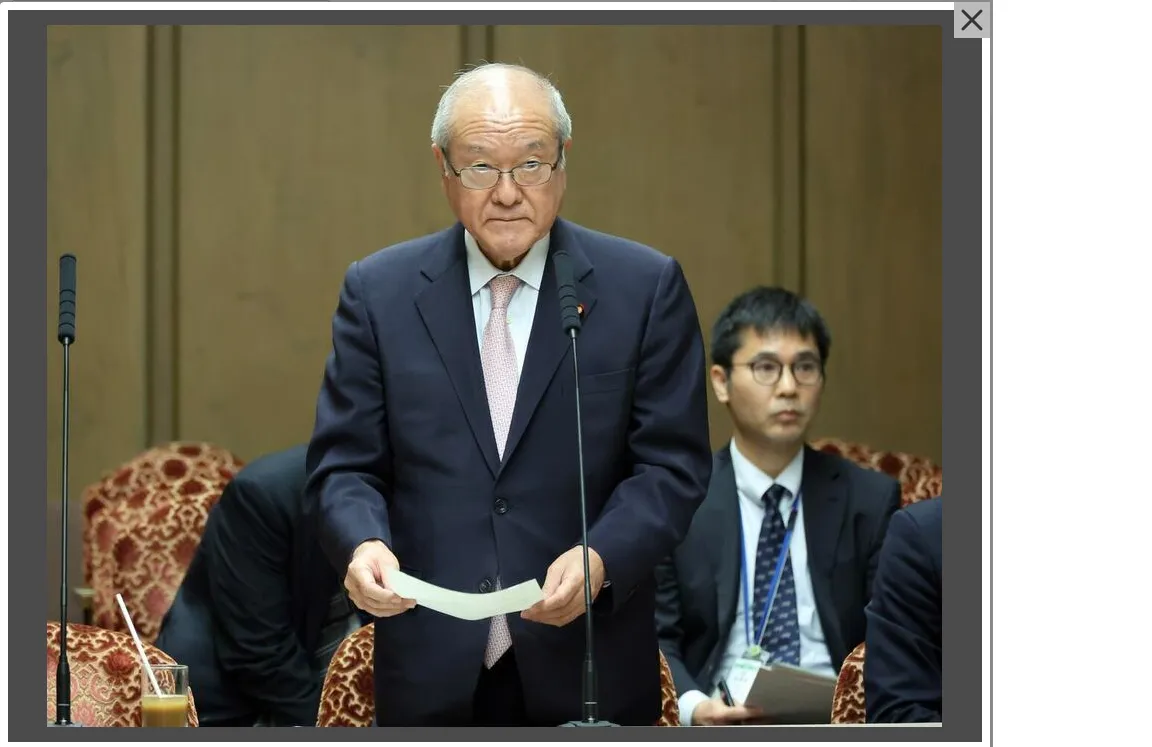
Finance Minister Shunichi Suzuki emphasized at a press conference after the Cabinet meeting on the 9th: “We will not rule out any measures and will take appropriate action if moves become excessive.”
The current yen weakness is driven by widening interest rate differentials between Japan and the United States. While the Bank of Japan raised its policy rate for the first time in 17 years, it plans to maintain an accommodative financial environment. In contrast, in a robust U.S. economy, expectations for early rate cuts by the Fed have faded. The interest rate gap is not expected to narrow soon, prompting selling yen to buy dollars for more favorable investments.
Currency interventions, aimed at stabilizing foreign exchange rates, involve authorities from different countries buying and selling currencies. When carried out by a single country, it is called “unilateral intervention”; when multiple countries coordinate, it is called “cooperative intervention.” The Ministry of Finance directs this, with the Bank of Japan handling the actual execution.
After the Great East Japan Earthquake in 2011 (Heisei 23), there was a rumor that Japanese insurers might sell foreign-denominated assets to pay claims, which contributed to a yen appreciation. To correct the historically high yen, a yen-selling intervention was carried out when the dollar reached around 75 yen.

■ Possibility of undercover intervention
Also, in 2022 (Reiwa 4), to curb a rapid yen depreciation, yen-buying interventions were carried out. In three rounds totaling about 9 trillion yen, the first round was publicly disclosed, but the others were conducted as “undercover interventions,” keeping the market guessing and aiming to prevent excessive yen depreciation.
When will intervention be taken this time? Norio Tanaka, Executive Economist at Nomura Research Institute, said, “If it exceeds 152 yen, the yen’s weakness could gain momentum. Authorities would want to defend this line.”
However, “actual intervention” would proceed in stages. Suzuki and others have repeatedly issued “jawboning” or “soft intervention” in press conferences, and on March 27, when the rate briefly fell to 151.97 yen per dollar, the Ministry of Finance, Financial Services Agency, and Bank of Japan held a trilateral meeting to deter the market.
In a measure called “rate check” to gauge market participants’ views on the exchange rate before intervention, Takeshi Ueno, chief senior economist at Nichii Seikei Research Institute, said, “A rate check around the 152 yen range is conducted, with intervention mainly around 153 yen.”
On the other hand, Shinichiro Kobayashi, chief researcher at Mitsubishi UFJ Research & Consulting, said, “Intervention alone cannot reverse the direction of the yen’s depreciation. If the Bank of Japan raises rates before the Fed does, the trend could change.” (Shinomiya Nobuhiro)
...that is what I have heard.
I wonder how far the yen will weaken.
× ![]()