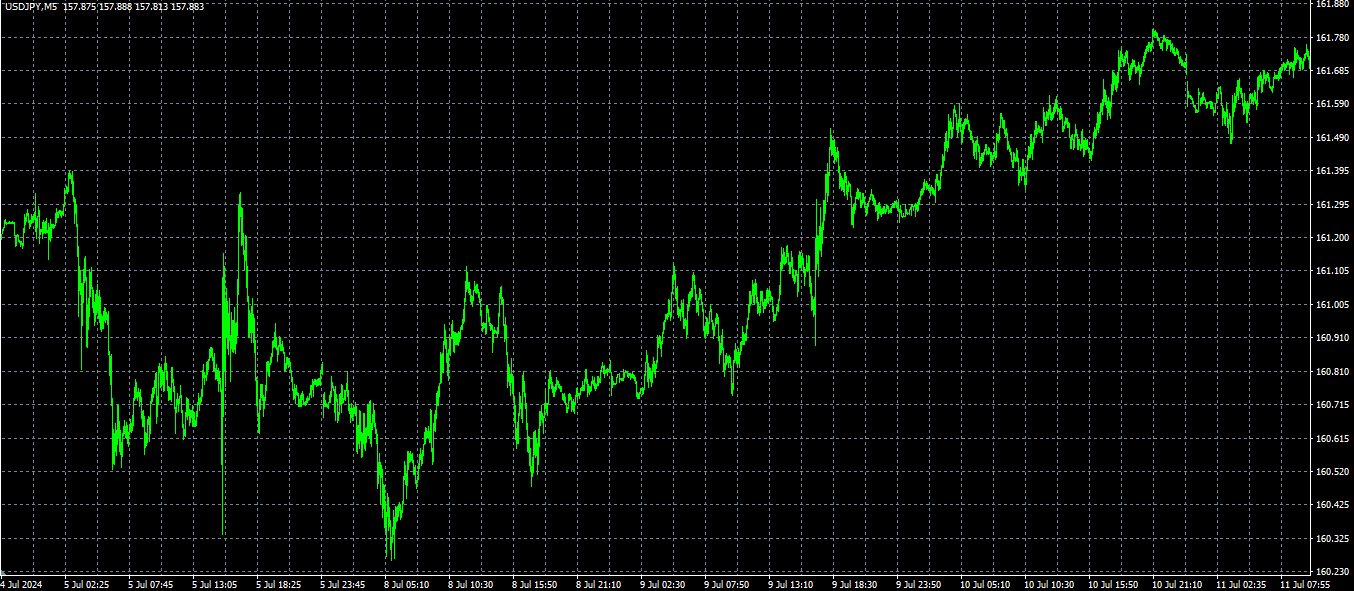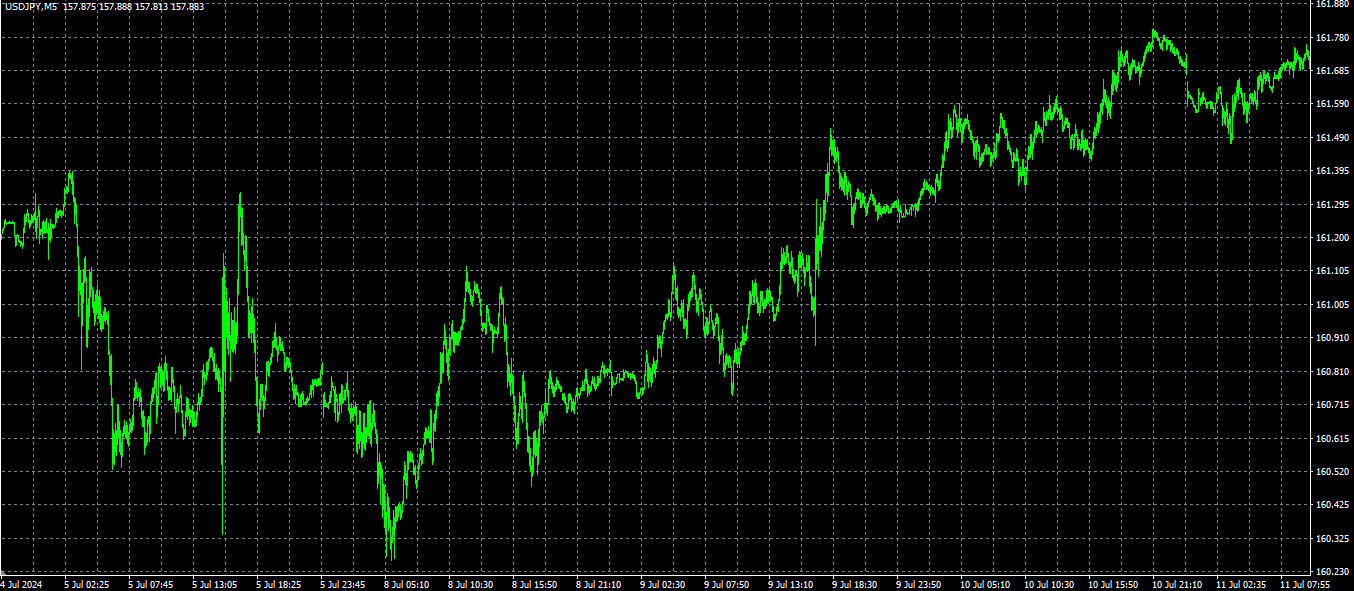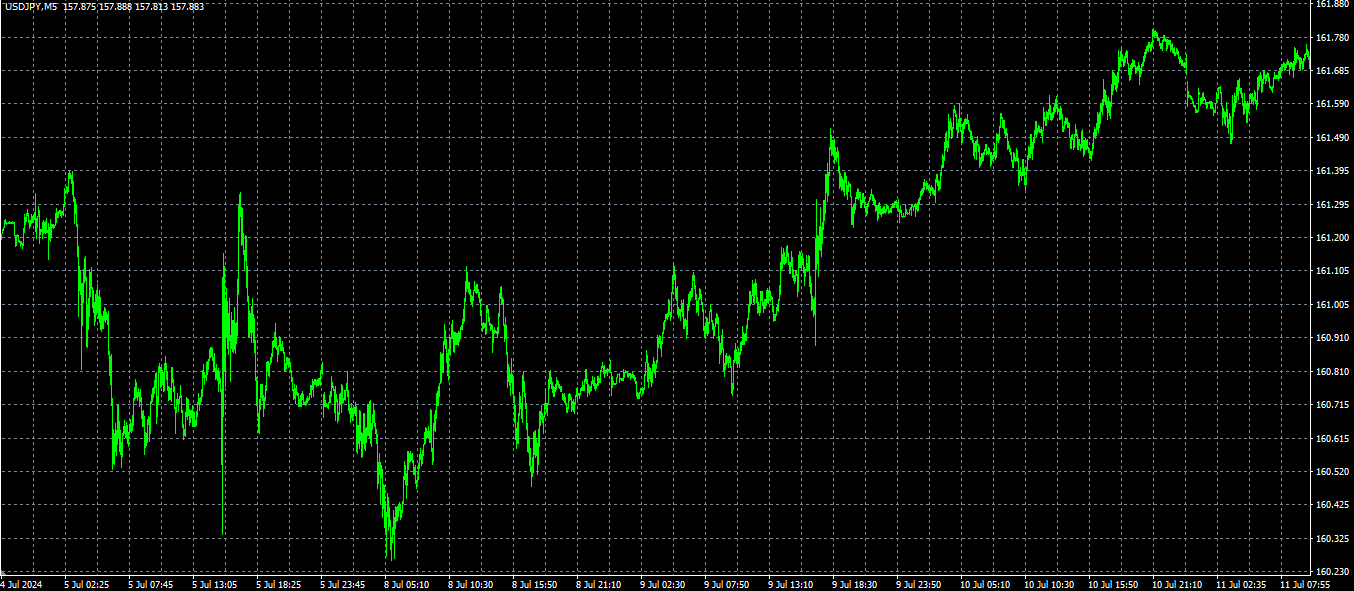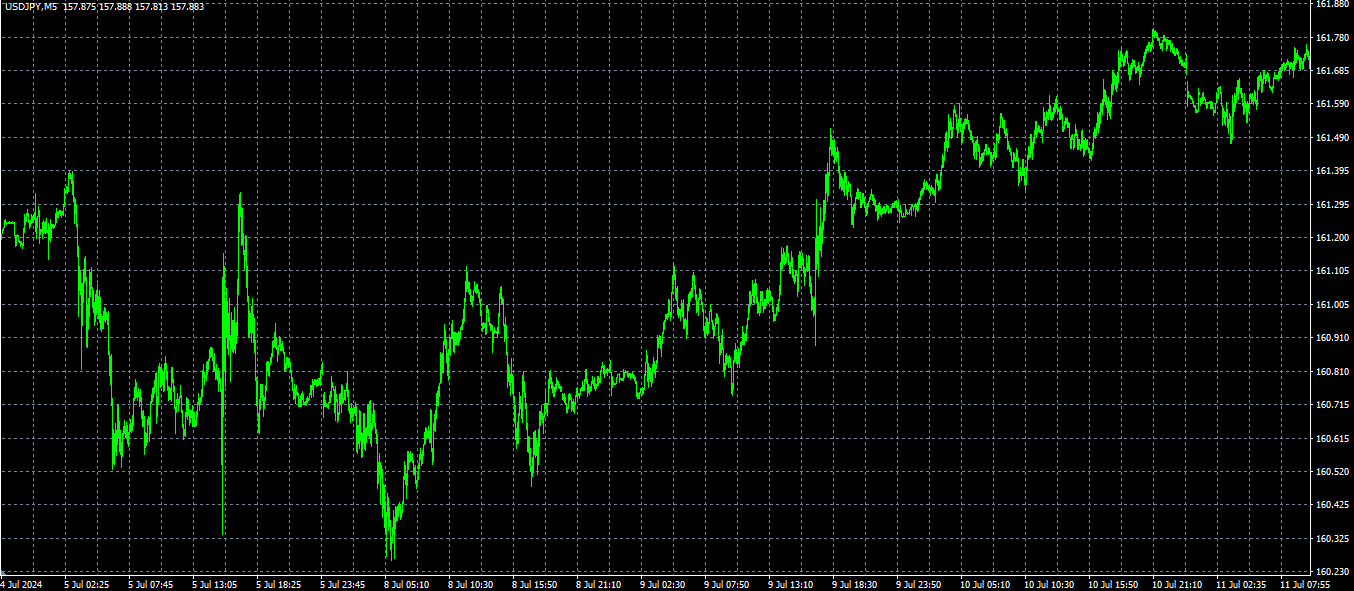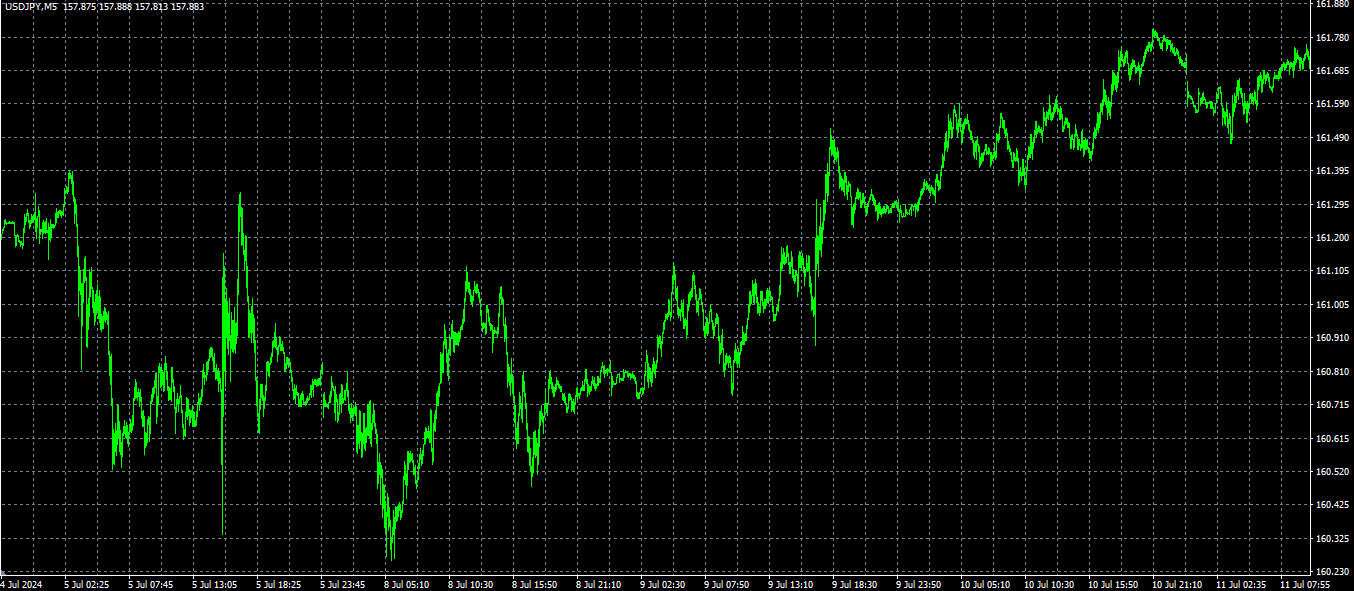

A trade that trends downward on the right shoulder is a "mechanical trend-following" approach. Be mindful of flexible trend-following.
I’m not saying that mechanical trend-following is absolutely bad
I also use methods like that, but I make sure to add flexibility to the strategy
But what’s bad about mechanical trend-following?
Because it becomes far too “auto-trading-like”
As a result, adaptability to the market becomes zero
This tends to be converted into a negative element
The basic style of the market is that it goes up and then goes down, and when it goes down it goes up
There are two elements — basic style plus adaptable style — and that is the essence of the trader who “forms the trader’s expectations”
If so, overly mechanical trend-following is disadvantageous
We should think of trend-following more flexibly
This is probably true whether in past trading study groups or seminars
All information and teachings are “too mechanical”
“This is where you should cut your losses”
“Here, let’s ride along”
In other words, all information and rules are too much in a “signal format”
Strategies exist as almost the same elements as arrow signs
It’s not like that; what’s important is in fact flexibility
In other words, not one but two strategic approaches
If you don’t employ such flexible style
You won’t be able to adapt when the market changes
Be sure to adopt that adaptable style
It will be the trigger to make this capital increase successful
However, when the capital increase fails or results decline,
there is a fundamental misalignment like that
Let's always raise the baseline of the market’s flexibility
※ For those who want to keep earning in FX, click here ↓
× ![]()