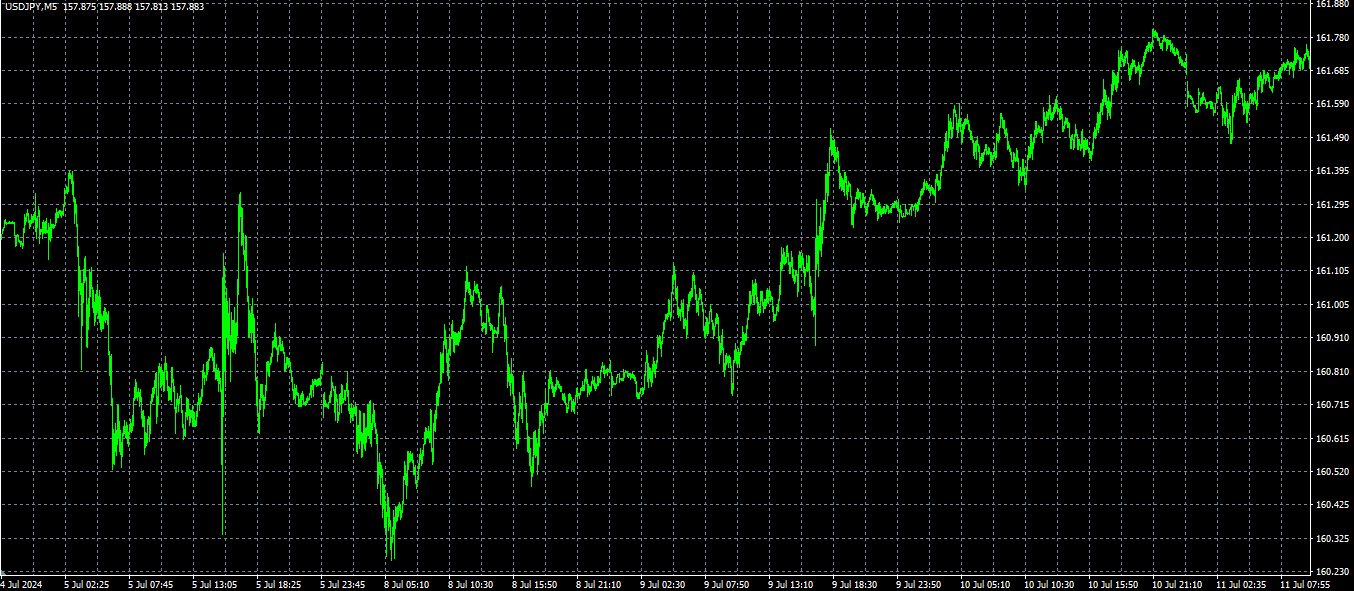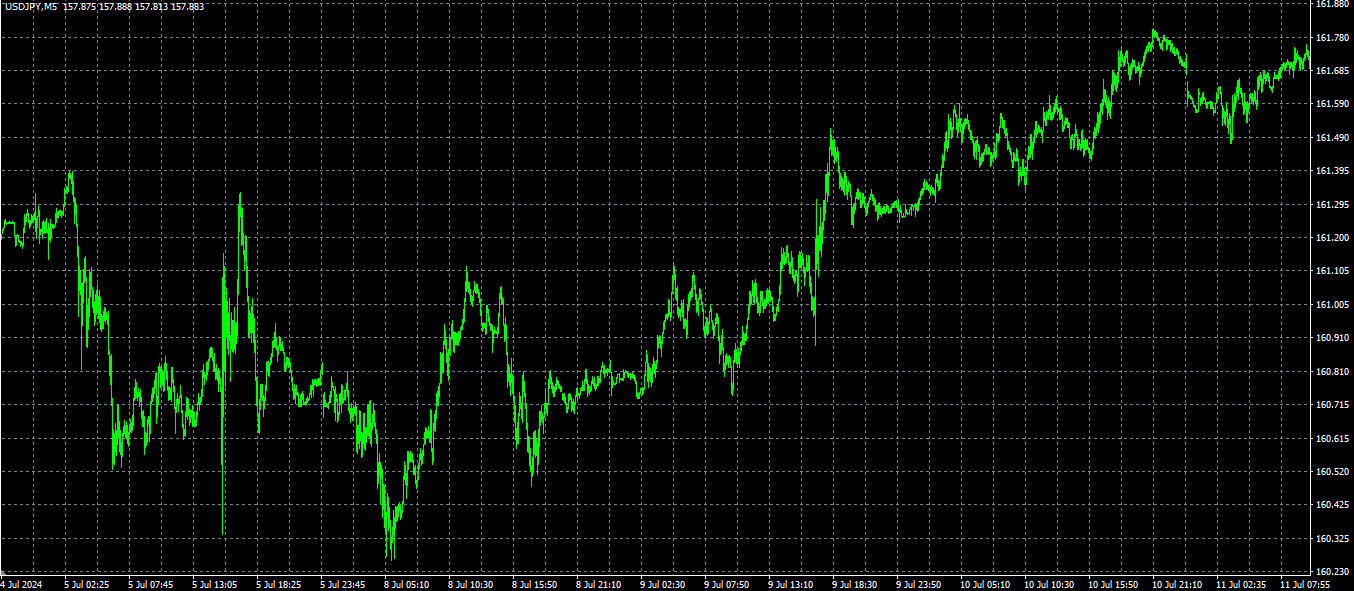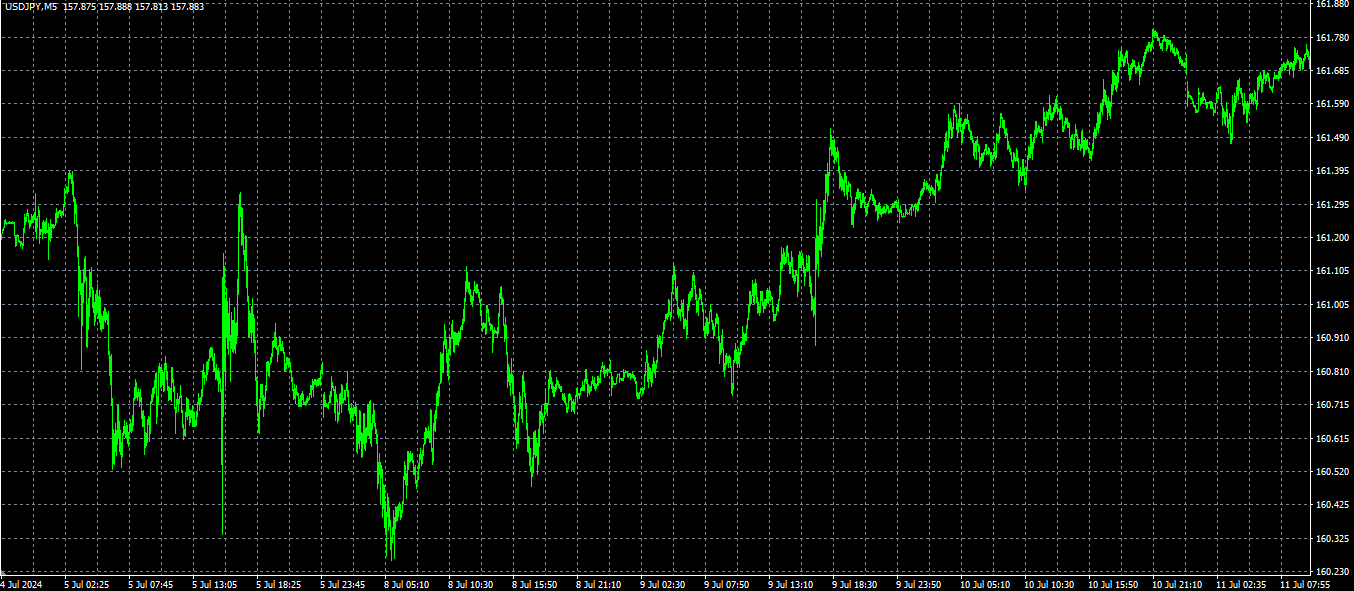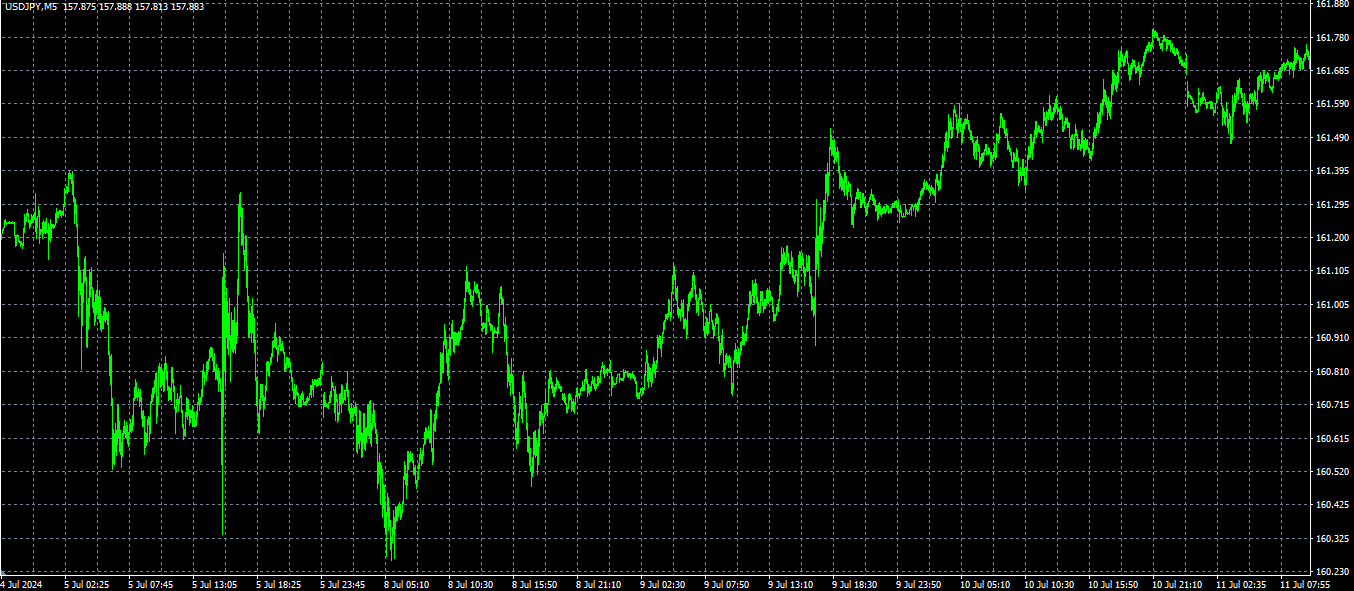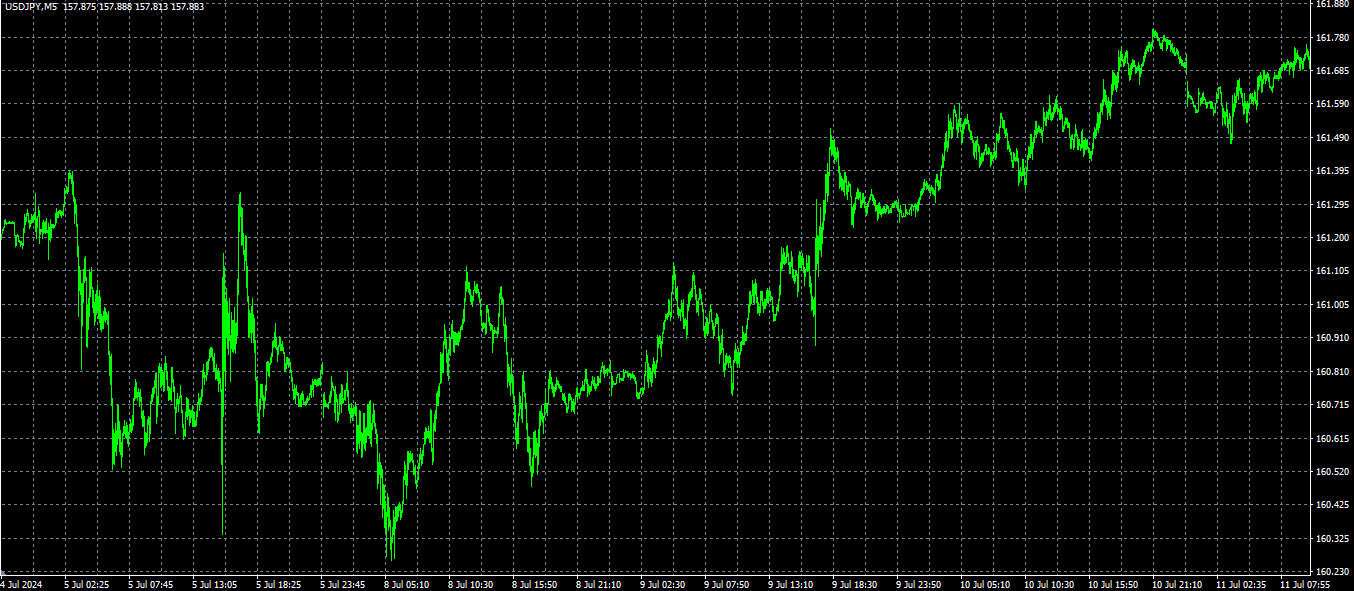

The final form of the technical is Dow Theory; ultimately, Dow Theory is also a post hoc explanation
Technical is often said to be a post hoc theory, but
this is a discussion that becomes clear when considering Dow Theory, the final form of technical analysis
Dow Theory, when it finally takes its shape,
is proven to be correct for the first time as a theory
In other words, although you expect a U-shaped pattern
the market often continues in the opposite direction as is usual
In the end, once it takes that form, the theory is proven
and it can be said to be a so-called a priori theory
However, this a priori theory
is a trade concept that can be applied in technical analysis as well
In other words, you can’t escape a posteriori theory
An important point here is
precisely because it is a posteriori theory
how to focus only on the part of market profit and ignore the rest
People often filter this well in trading logic,
but filter-type approaches tend to lose more and miss opportunities for profit
and rarely function effectively as filters
Especially the filter-type claims often heard from information products or seminar sellers
When actually attempted, they end up reducing profits or failing to produce results
And somehow, in automated trading logic,
the only thing that still yields stable profits is MA crossovers — a shabby outcome
Instead of judging by filters,
you must create a setup that reads market information and makes judgments
Otherwise it cannot be a genuine filter
Although Dow Theory is said to be the final form of technicals,
Dow Theory is, in a sense, occult
When we say occult, it includes support/resistance and trend lines
All of these relate to price and time movements on the main chart
And that market judgment functions as the most effective filter
That Dow Theory is the final form of technical analysis means
It implies that price and time themselves are the ultimate form of technicals
※ For those who want to keep earning in FX, go here ↓
× ![]()