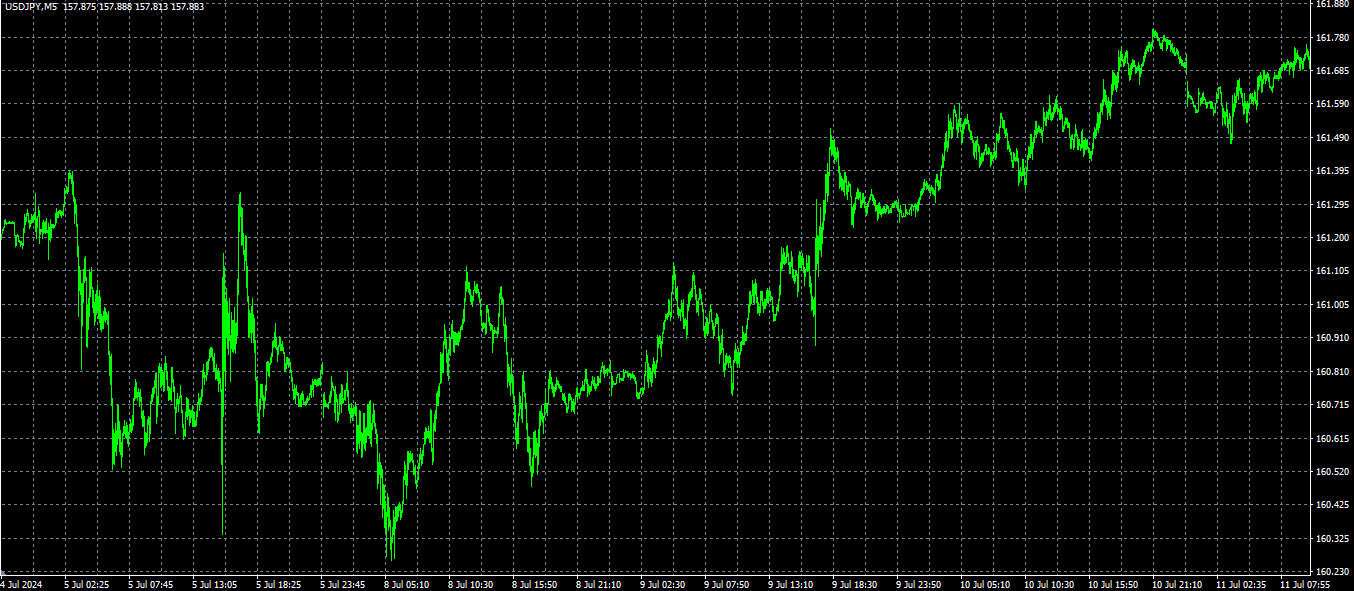

Who is suited for stop-loss trading and who is not, this is a major issue
First of all, this is
not just a matter of strengths and weaknesses
for example, for someone who has never done short-term trades because they want to realize a short-term dream
it is not suitable
the reason is
because they think in terms of life units
in other words
losing money on a stop loss feels like losing your life
this has fallen into a spiral where the only way to reverse your life is “FX,”
there are other ways to succeed too, but
there is a strong bias toward that idea
for those who are predisposed from the start
only those who don’t have such suspicion about the market
even a little bias of suspicion makes you
suddenly find it unsuitable; that is stop-loss trades
stop-loss trades sound good in theory
but in reality, when you think you lose 1% each time you stop out
it is a high risk
because it ends after 100 trades
and if performance is on a downward trend, even more so
when it’s downsloping
you trade while it’s down 20 losses and 10 wins
which makes it extremely tough
therefore, even if you become aggressive considering the risk
it ends up at a risk of around 0.5%—in other words, about 200 trades
this is the risk you face when trying to be prudent with stop-loss trades
even that risk is accounted for as two hundred trades
that’s how much stop-loss trades are at risk of being swept away by rough seas if you don’t manage the risk
first, this is also true beyond stop-loss
there was a case where the president of a real estate company collapsed into bankruptcy due to stop-loss
there was such news
that was due to rapid fluctuations from stop-loss
and because stop-loss inherently causes forced liquidation
that’s why they lost money; it’s quite painful
that kind of thing being possible is the nature of stop-loss
in other words, when you offset the pros and cons too much, it’s not much different from manual stoploss
the presence of stop makes the difficulty higher
and in the end, stop-loss has no path other than price-following trends
even if trend-following works and there’s profit to be had
you’ll realize there are fewer opportunities
that’s obvious when you look at past markets
that’s why many people used averaging down, etc.,
and it usually happened about once or twice a month
profits depend on how long the trend lasts
but the risk at that time remains about 0.5%
even if the trend moves 200 pips with a 20-pip stop,
that’s about 5% profit
which means about 10 trades’ worth of winnings
and up to that point, you’ll have more stop events
in that case, if you ride the trend well, you can gain additional profit
but if it breaks, losses accumulate accordingly
even if you enter an additional five times
if you lose all five as well, that’s a 2.5% loss
also irregular elements like that
are part of the market and are already priced in
which is partly due to the existence of automated trading
in other words, deliberate loss markets can appear
so you often
use sites that perform rough calculations like Mr. Pythagoras, but
that isn’t a real path; if you consider the actual path,
as explained earlier
when the trend succeeds, it’s 100 pips or more, or 200 pips or more
losses are typically 20 pips or 40 pips with ample margins
these days, spreads are higher in the morning
In one line
if you’re lucky, you can earn 2.5% to 5%
that’s the reality
so the idea of growing 2.5% every week is a dream; in reality, it’s more like
about 0.25% per week
and you shouldn’t forget that “monthly gains of 5–10% come from taking on risk”
First of all, you can’t grow in trades unless you reduce risk to an extreme
and at the same time, stop-loss has a fatal flaw
it cannot respond to sudden market fluctuations
in other words, if the market moves in the opposite direction
losing about 20 times would equate to about 10% loss
and repeated patterns would occur in the same market
losing 10% then losing five times and winning seven times, and so on
in other words, you keep losing
even if automated trading builds a cautious trend-following logic
you will be targeted to a certain extent
in other words, stop-loss could become the problem
stop-loss requires a long-term view
and the control mechanism for that is “averaging down” and “manual stoploss”
only those who think about them seriously can actually grow consistently
because they can manage the control mechanism well, they can keep increasing
Stop-loss-oriented people are
still beginners and typically younger
because as you age, you’ll get anxious and it’ll affect your mental state
in other words, life units flow into the market, including thoughts
so there are relatively few people who are suited for stop-loss
everyone else is satisfied with manual or automated trading
and the results of automated trading tell a story
over five years, it’s often 2–5 times, and
the smaller the better, which is normal
given all this,
the discussion becomes how to reduce risk and improve hedging
that is the fundamental question about stop-loss for me
this is what this is for me
the fundamental question of whether stop-loss suits you
※ For those who want to keep earning in FX, go here ↓
× ![]()