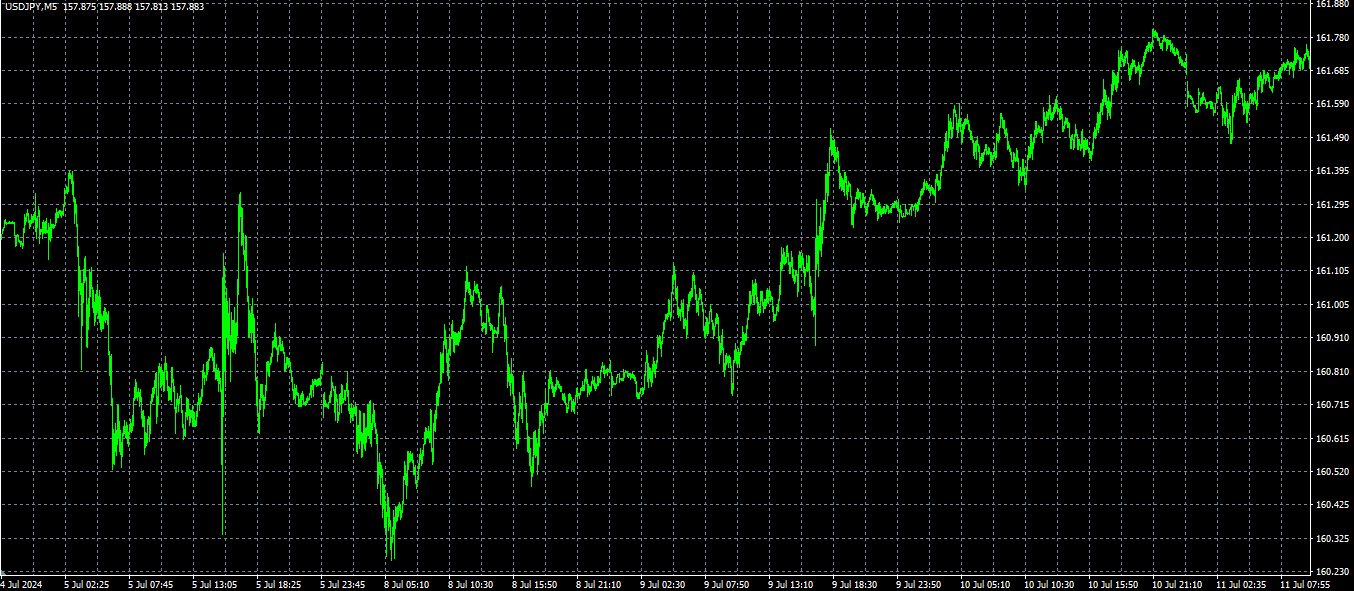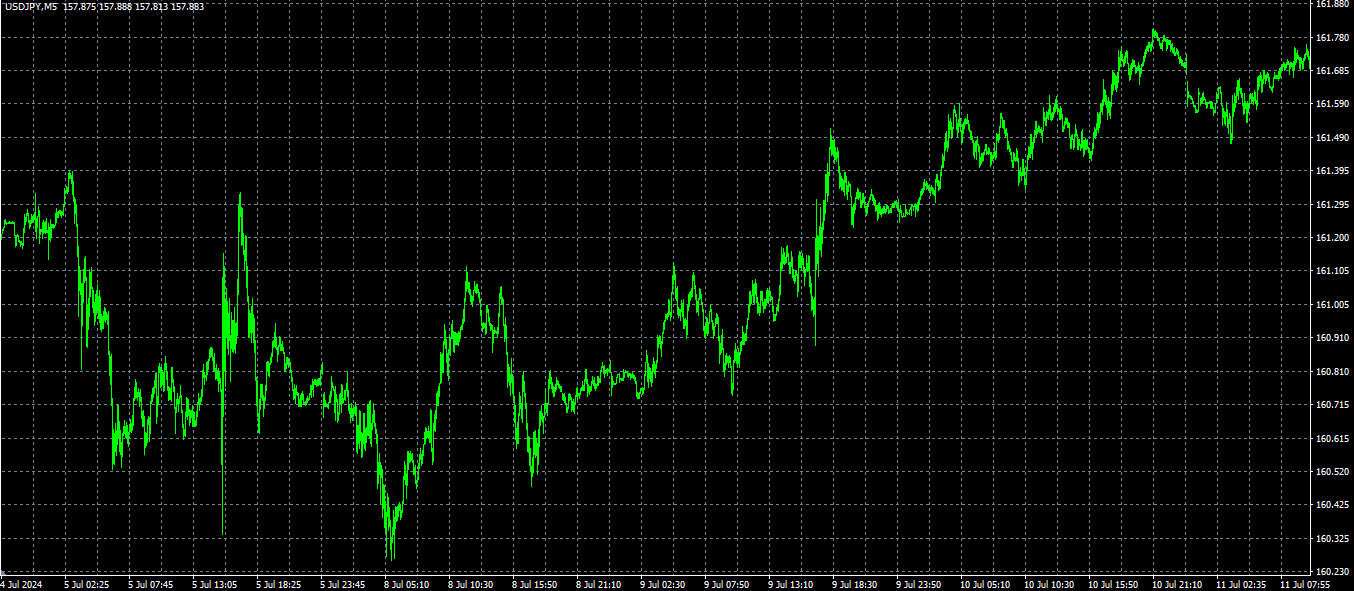

Stop-loss trades increase only through "support-resistance breakout trend following," and that is correct
As a Stop-Loss Trade style
it is appropriate to target Dow Theory in the dialogue
Because if you trade otherwise, you tend to trade like a reversal signal
So be mindful of N and M
Basically, the market is
N-shaped follow-up ← all N shapes form
M-shaped flag break works the same way
Basically, it is not about bottom fishing or bottom selling (buying on dips and selling on rallies) in places that follow an N
But rather, you trade at places that look like a trend-following break—the support/resistance break places—as the main interaction of trend-following
And that is the main way to trade with stop losses
You often see教材 in which they push for contrarian follow-trend trades via buy the dip or sell the rebound
That is really wrong; fundamentally, trend-following breaks are the basis
In short, it’s like a “Bolinger Band 1σ trend-following” thing
That’s basically all you have to do
No need for odd market interpretations or trial-and-error
The more you rely on that, the harder it is to trade in a real trend market
According to past market patterns
Only by thinking about how to increase or decrease with that trade logic do you increase capital
One-shot move equals half a shot
Namping to cover losses ×
Namping for profit pursuit ◯
Temporary top until the big trend ends
We will experiment and refine; this is trial and error for capital increase in the market
Keep trades simple
Because none of them change the outcome
25 MA,Envelope 25, Support/Resistance, Dow Theory, Break
It’s good to proceed with trend-following
The one-shot style fits well
Trend-following break aligns with a trending market
In other words, it is “Support/Resistance Break Trend-following”
Trend-line break following
The more highs are updated, the more it is a trend-following break
The more lows are updated, the more it is a trend-following break
That’s how it is; though only when a trend market emerges
※ For those who want to continue earning with FX, go here ↓
× ![]()