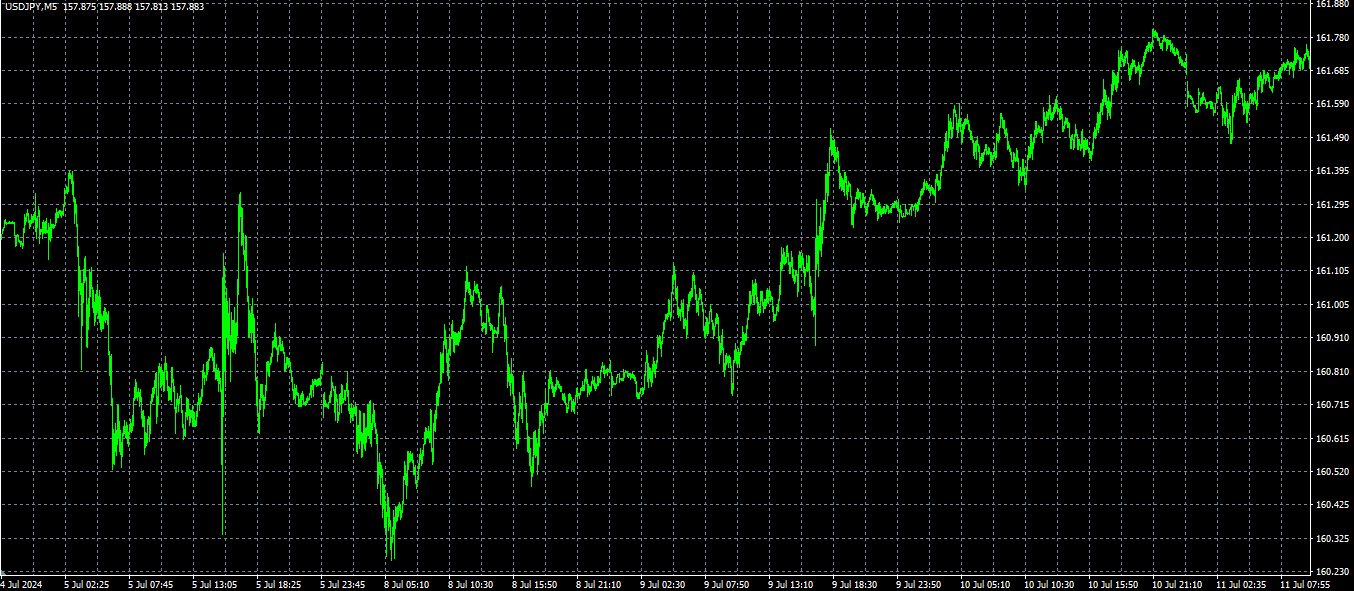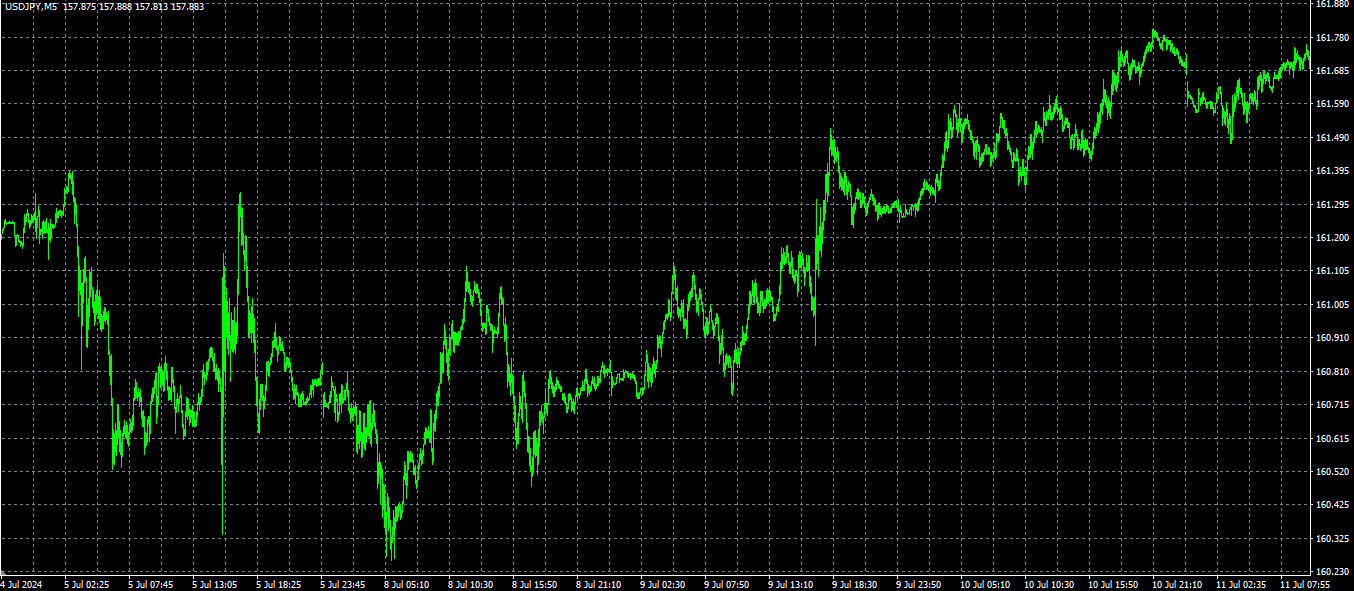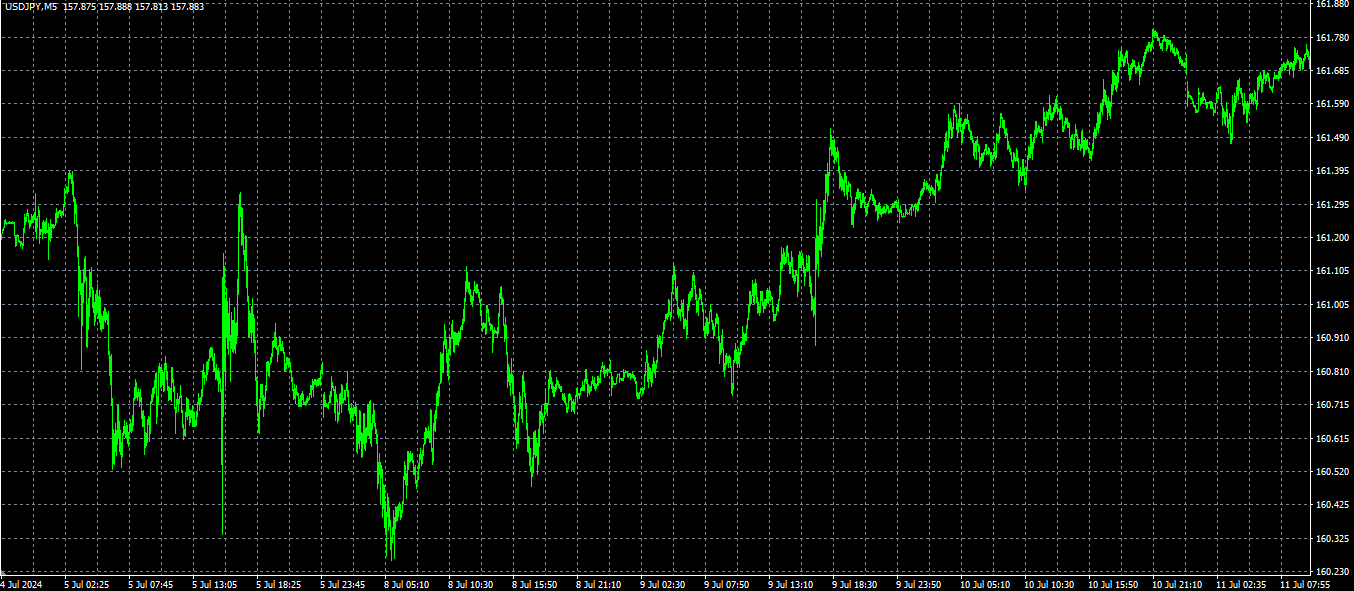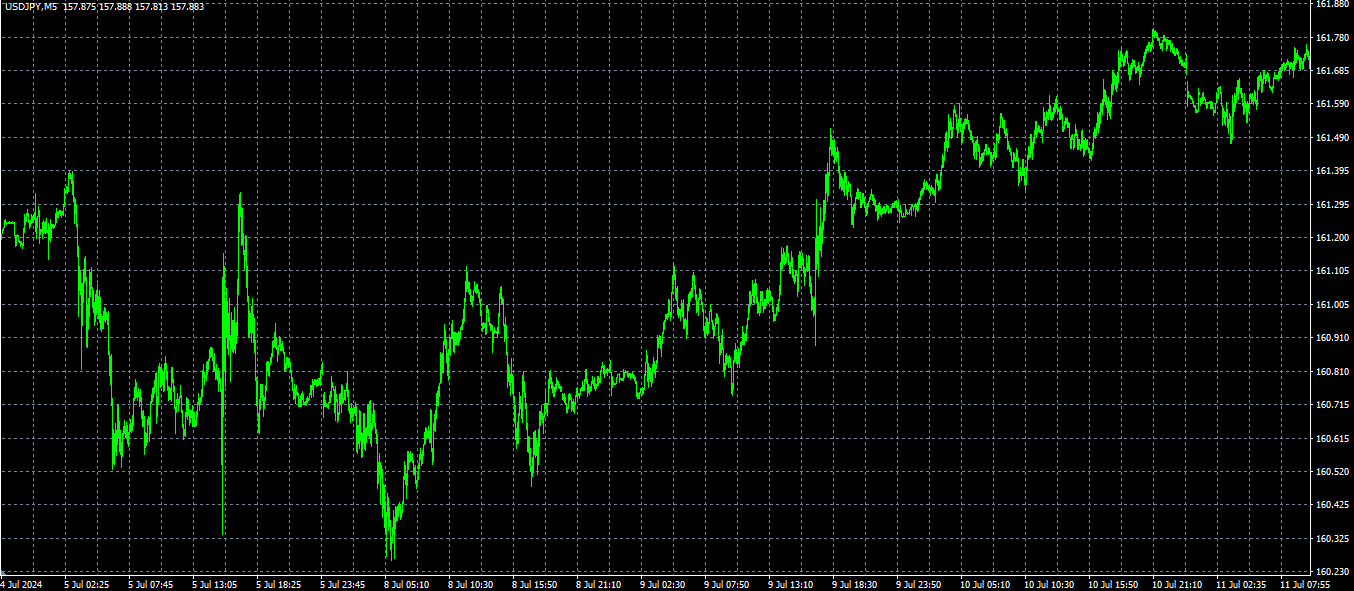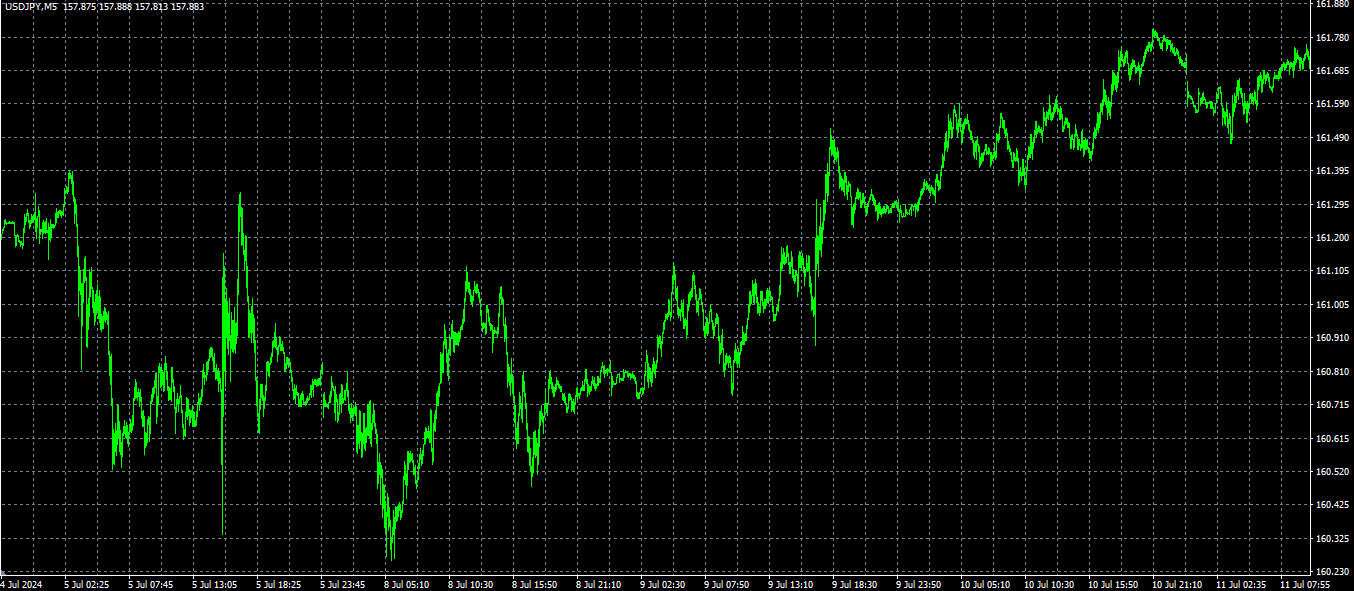

Possible market outlook and bias awareness
It does influence the long-term trend, but
it is because it is a “maybe market,” you just need to align the timeframe trend you’re using with it
If the long-term trend doesn’t exert influence, you’ll just take a big loss and have no real edge
Because everything ends up as a “maybe market”
All trading comes down to either following the trend or riding the trend; this is all based on bias recognition
If you try to follow the trend and not lose, you’ll mostly lose
So you’re left to trade with bias
There’s only the actual run of the trade at the end, i.e., the real-time trend market
At those times you have no choice but to switch bias into the trend; that’s the market
Basically, I’ve never deviated from this market concept
However, attempting to do this will still fail
Why? Because even if you switch bias, it’s still a “maybe market”
If the “maybe market” doesn’t exert long-term influence, you’ll incur a “big loss”
So in the end, cutting losses becomes the best approach
Especially averaging down is a characteristic of contrarian trading that can be used in any market
But contrarian trading has no limits, which is why
In the end you must close out with a loss
The key is to have the mindset of cutting losses when a bias-driven “maybe market” arrives
Even when you’re following the trend, you end up losing from profits offsetting each other mid-way
There’s plenty of room for a round-trip loss in the logic, and I think it’s foolish not to lean toward profits
The mechanism of following the trend
Break of support/resistance — that alone should be enough
In the first place, box-range breakouts are pointless to worry about
Since it may or may not exert influence, chasing such things is meaningless
For now, what is simple and easy to grasp in effect is everything
Once you seize it, the successful profit awaits
If you rely on averaging down
You’re left to rely on the market
Sometimes the trend breaks cleanly, sometimes it doesn’t
So ultimately
You arrive at the idea of “entering at a point where profit comes in at the right timing”
That essentially only leaves the Dow Theory’s “enter on a clear N-break” as a possibility
In a simple contrarian approach, the market hasn’t actually changed
In a simple trend-following approach, except for timing you’ll lose
The optimal timing is basically
“Trend following or N-break or trend-following at most”
Conversely
“Everything else is the same as averaging down and just entrusting to the market”
One shot plus stop loss
Flexible switching
Turnaround type
Switching is simple
Both turnaround type and one-shot are features of averaging down
Averaging down will ultimately self-destruct, so trade only with a stop loss
The timing of entry determines the trade
Timing arrives every hour
Repeat the Dalambail (D'Alembert) approach at market timing
Being a full-time trader has no meaning
Time and price are too slow
Usually it takes 12–24 hours for the market to change
Usually it takes 3–6 hours to switch and reach timing
Profit can be earned if you wait one hour only when the balance is favorable
Since the market only trends over the long term, I don’t see a purpose in full-time trading
Averaging down ends up losing and finishes
Then it would be a matter of stop loss with Dalambail or reverse martingale
Since the market trends long-term, if it trends long-term, it only results in more negative tally
Believe the market direction
In the short term, averaging down with stops yields success
Five losses, six wins = one win
Long-term setup success
One loss, six wins = five wins
For example, something like this
I don’t think there is much edge
Averaging down just uses the retracement in turnaround
It simply ends in a market where you can’t cut losses
Turnaround is for eventual profit-taking in a swing
There is no option but to trade using time-waiting entry timing
And that approach is the most efficient
Time waiting type
Turnaround
Only one of the two
The answer in probabilistic thinking is
In the end
Turnaround or time waiting
You’re managing with one of these systems
Anything else has poor turnover
Patterns that involve time waiting
Range-type, staircase-type
Patterns that are not time waiting
Trend-type, turnaround-type
The importance of narrowing to one-shot
With even張り (uniform positioning), you won’t increase unless you focus on one-shot
So you must incorporate time waiting and setup
A style of trading that alternates between setups and trades with a three-hour waiting period
If you don’t adopt this style, you’ll end up facing a non-facing type
If it becomes non-facing, it will be either averaging down or turnaround, so
If you trade this discretionaryly, you’ll end up with a half-baked mix of averaging down and turnaround
So don’t abandon the three-hour waiting style
Three-hour waiting = 15-minute chart
Six-hour waiting = 30-minute chart
Twelve-hour waiting = 1-hour chart
At any of these timeframes, the market is moving
If you only follow the trend
envelopes (14) and William’s %R (14) are everything
If a trend appears, profits will occur
If the trend doesn’t appear, you’ll enter in the middle timing
Trading that way reduces profits
In gold, it takes 20–30 trades before a trend appears
Four trades yield 30 wins
But that is only if the trend actually follows through
If the trend doesn’t become large and ends,
You must take profits along the way
Whether you can do that or not is the issue
In that case, it’s probably better to follow the trend with averaging down
Just trade honestly and let it grow
That is the holy grail
If you trade with trend-following, you’ll make profits
But if a major trend doesn’t occur
In the end
It’s the same as a range trade, and you must offset the results
Therefore, I’m only talking about stop-trade with a three-hour waiting period
Anyway, whether you’re following the trend or waiting for three hours, the idea is the same, and
Stop-trade is more discretionary, so it tends to be more profitable
Ultimately, the market is about timing
If you think in terms of frequency, you’ll lose
It’s better to trade in one-hour intervals
Never do averaging down, that’s allAll entries should be limited to one lineIf you trade with only one line, as long as the trend doesn’t advance, you don’t need more than one lineAdding means multiple entriesMultiple entries means averaging downIf there’s no trend progression, the edge is essentially zeroUnless there is trend progression, both upside and downside are possiblePut differently, profits only widen with trendsOnly single currencies are feasibleOnly following the trend or similar※ If you want to keep earning with FX, go here ↓https://www.gogojungle.co.jp/users/177506
All entries should be limited to one line
If you trade with only one line, as long as the trend doesn’t advance, you don’t need more than one line
Adding means multiple entries
Multiple entries means averaging down
If there’s no trend progression, the edge is essentially zero
Unless there is trend progression, both upside and downside are possible
Put differently, profits only widen with trends
Only single currencies are feasible
Only following the trend or similar
※ If you want to keep earning with FX, go here ↓
× ![]()