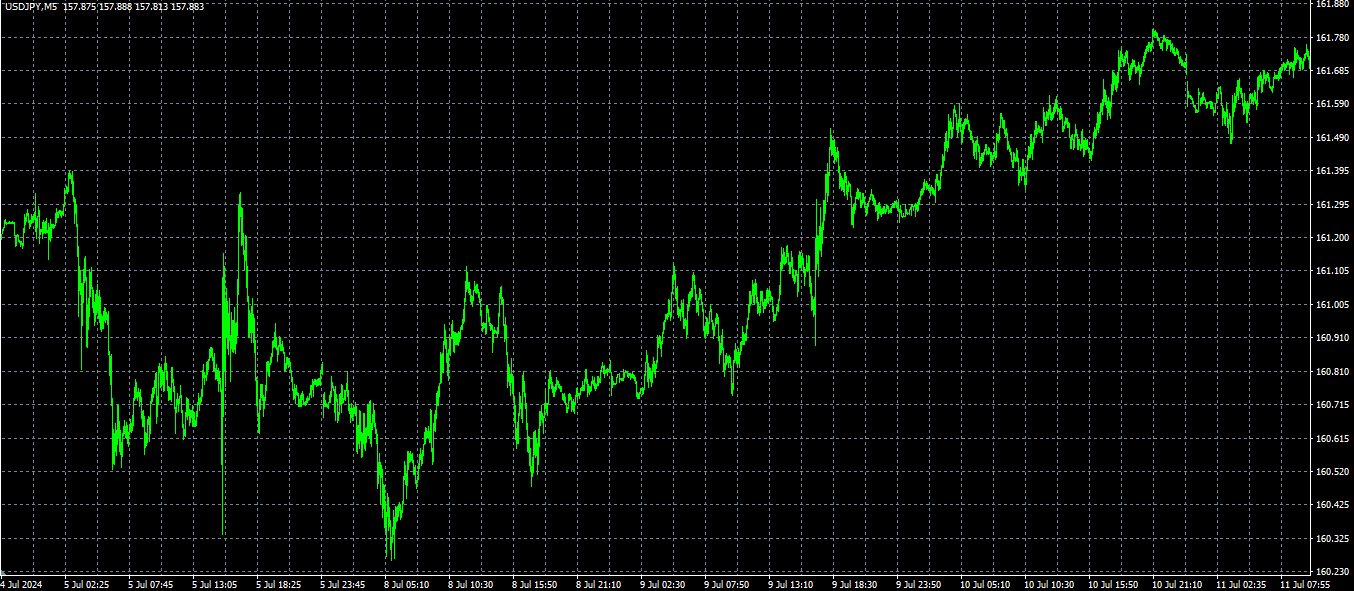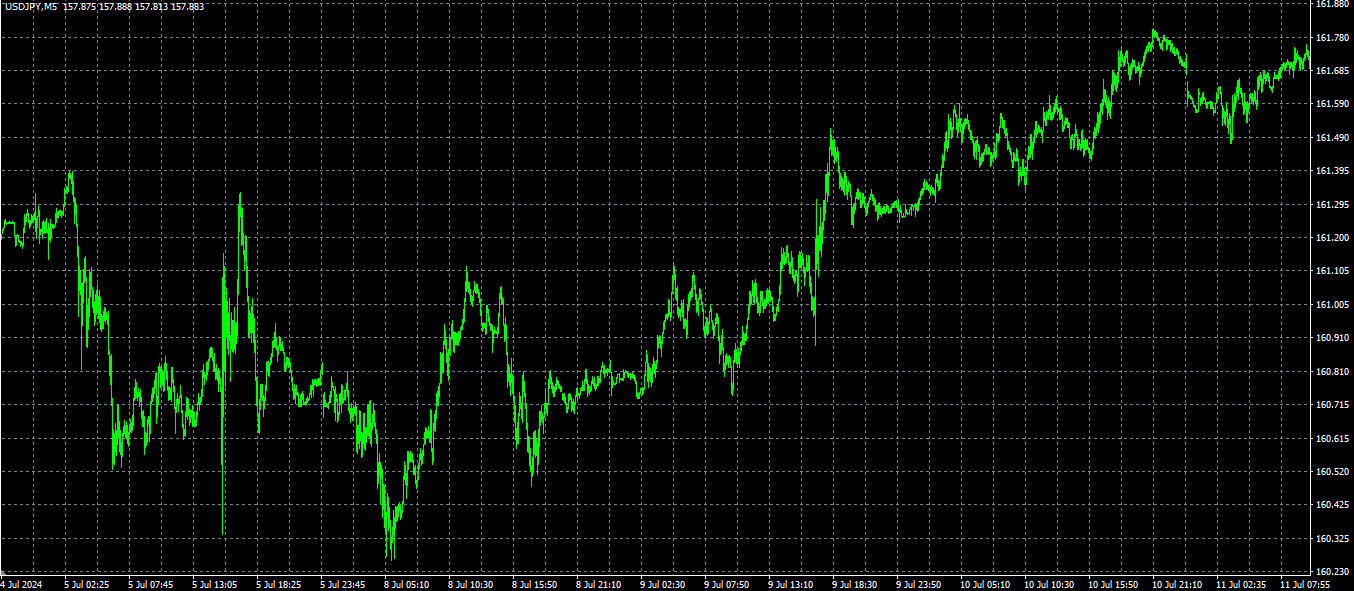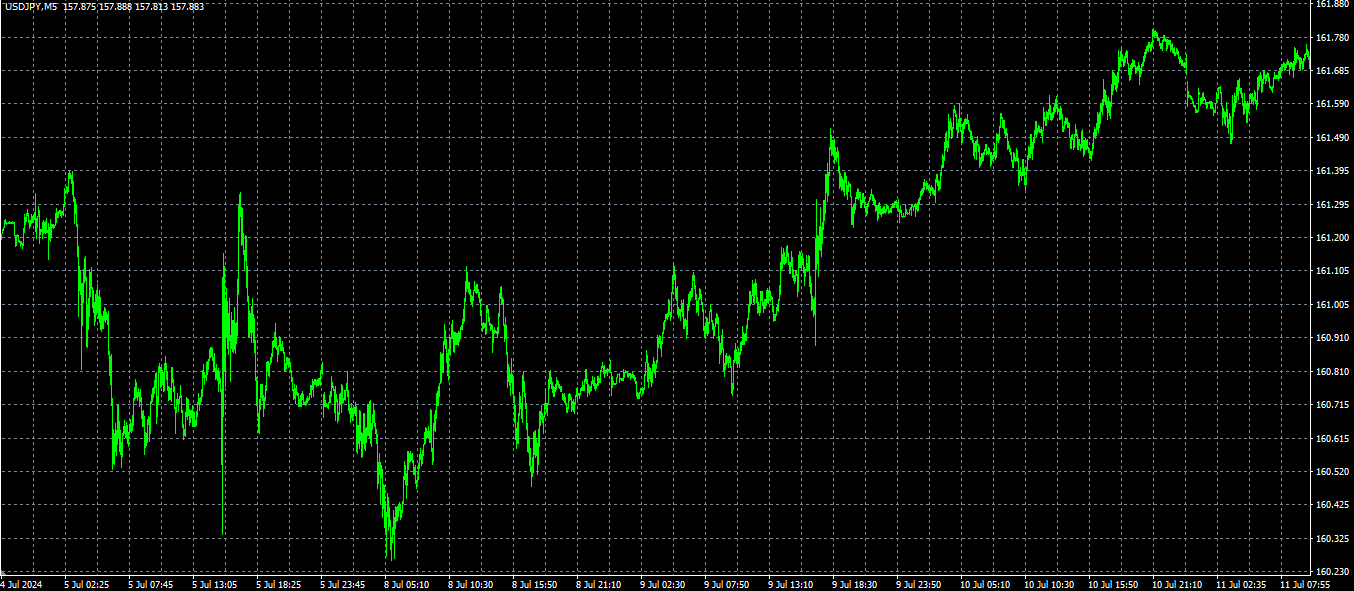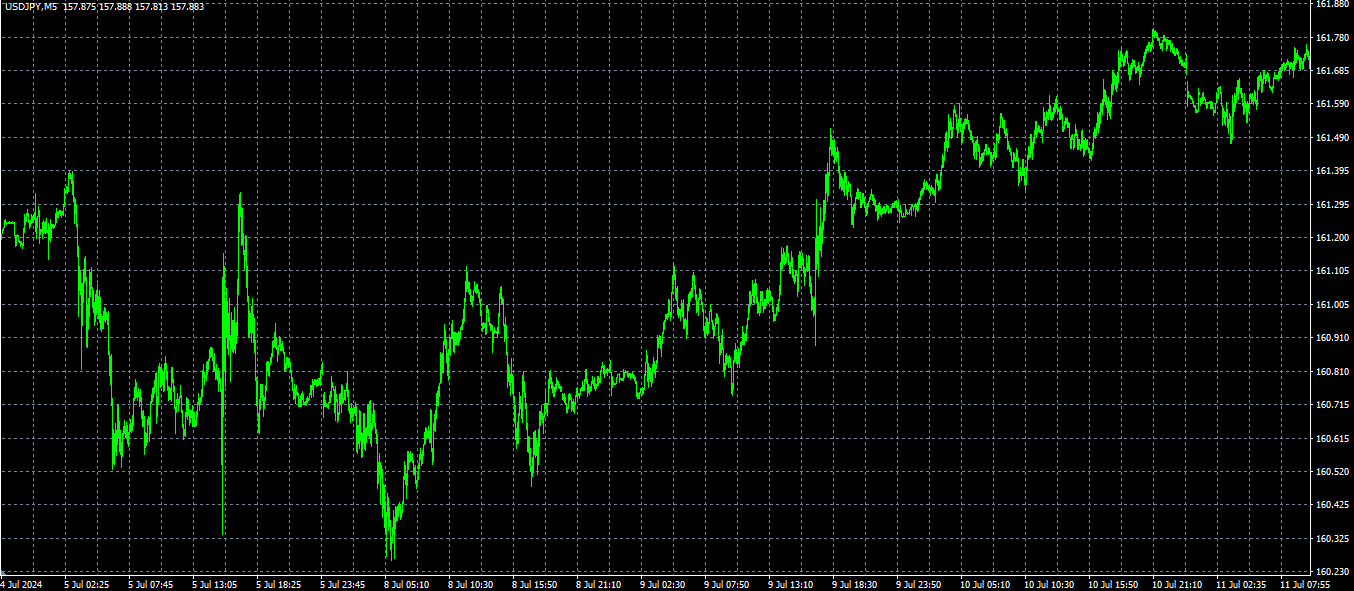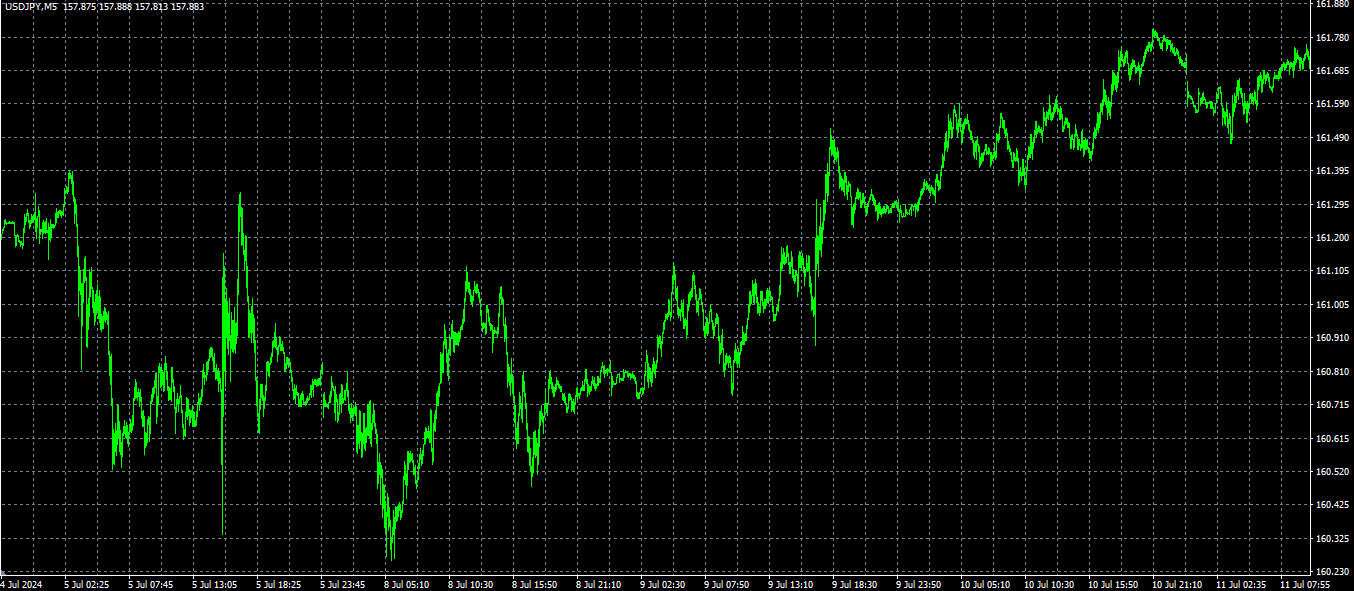

Trendline support and resistance: break and follow
After breaking the trendline
We enter in the direction of the breakout with the trendline follow
This is also valid with horizontal support/resistance
Regarding actual market movements
We use horizontal support/resistance and angle support/resistance (trendlines) as appropriate
Support/Resistance market → Breakout and breakdown is the basic strategy
Even if late, it can still fit the trend
From the idea that it’s okay to be late when considering higher timeframes
Why is horizontal support/resistance → breakout prone to failure?
Why is angle-based support/resistance → breakout more likely to succeed?
Simply, it is affected by the number of traders’ positions
In the case of horizontal support/resistance, if it breaks, placing a stop loss is easy, isn’t it?
Also, every trader can readily speculate that a trend might emerge
Therefore, due to traders’ expectations, breakouts tend to fail
It’s not so much that it fails
It’s that there are not enough positions to form a Breakout → Trend market
However, with angle-based support/resistance, it’s harder to take a stop loss
Also, since this is a retracement within a period where a trend had already appeared
Many traders still expect the trend to continue
Because a breakout creates the potential for trend formation and there are enough positions
As a result, breakout → trend formation occurs
Furthermore, for trend markets → breakout → flag to re-trend
This was caused by a large number of positions at the stage where traders “hurriedly reversed”
In other words, if you understand the factors that cause a support/resistance market → breakout → trend formation
It becomes easy to assume a market where this reason is satisfied, and the entry timing will align well
※ For those who want to keep earning from FX, go here ↓
× ![]()