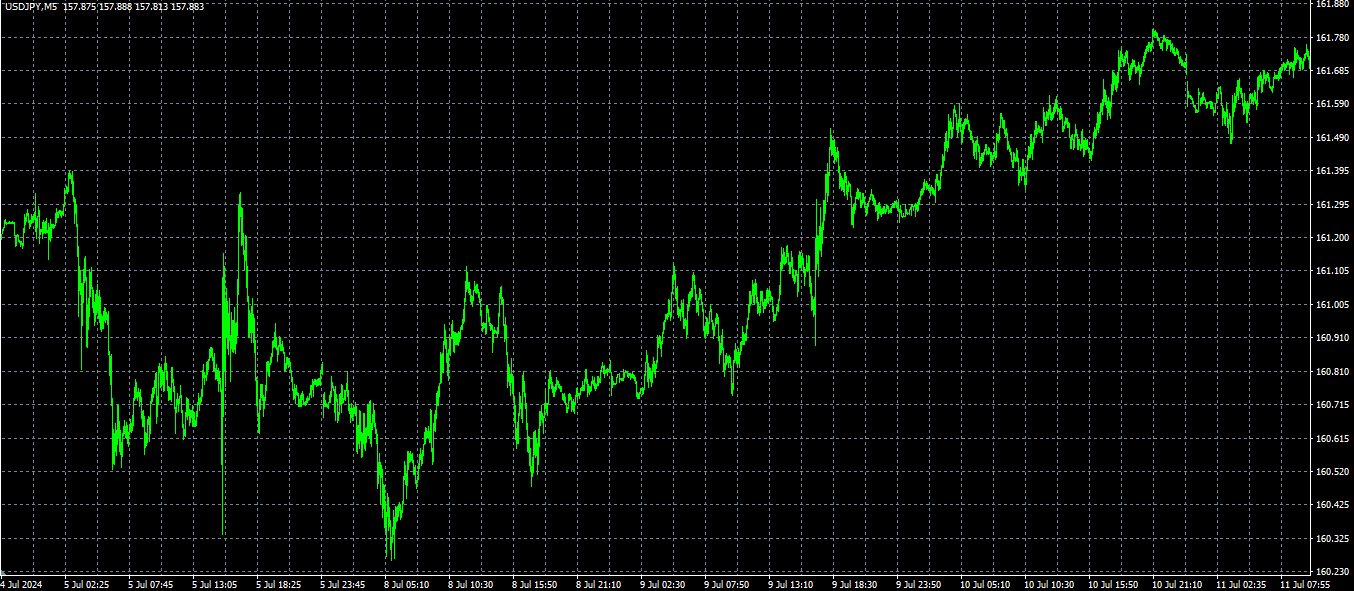

Positive-direction trade and reverse-direction trade
As a positive and negative relationship
Win with a bullish trade
Win with a bearish trade
there is
When a bearish trade wins
you can win by averaging down
When a bullish trade wins
you can win by only chasing the trend
one shot
averaging down
Content changes drastically depending on the selected logic — extremes on both ends
I think it’s not worth it to manually cut losses with one shot
If you’re waiting for the trend, it becomes a premise that anyone who does it can win by only targeting trends
If that’s the case, the element of manual stop loss isn’t needed — because manual stop loss damages more than a stop
No need for averaging-down stop losses
Because you never know when the counter-market will revert
If it drops a lot and then returns, not having averaged down would mean fewer opportunities lost, since you would have missed those chances each time
Similarly, aiming for the positive market is the same
In the end you should only target big trend markets
Big trend market
Swing to day-trade around the arrow-signal levels in a wave-like trading
All else is “averaging-down logic”
Since there’s no edge, you must adopt a logic that trades only in market conditions where an edge absolutely remains
Therefore averaging-down logic is
a moderate-risk high-return reverse martingale with exit-taking profits
must be used
Other than that
a big-trend market where anyone can profit
Wave-like trading between day-trade and swing
is all you should do
Everything else is really dependent on luck
If your discretionary skill isn’t strong, you’ll just lose (that’s why I said it’s luck)
Other logics are discretionary, so
if you can’t profit from intermittent averaging-down, you can’t profit from discretion either
In a big trend market, stop losses work
In day-trade to swing wave trading, they work precisely because you manually cut losses
Remaining trade logic
1, Discretion = intermittent averaging-down
2, Moderate-risk high-return averaging-down trade, reverse martingale, exit-taking profits
3, Day-trade to swing wave trading
4, Stop loss in a big trend market
It’s better to adopt the mindset of “if it increases and later becomes zero, abandon that logic”
Let’s including early abandonment and identify strengths and weaknesses
Intermittent averaging-down
Partial profit-taking during averaging-down
Envelope or MA
Day-to-swing wave
MA only
and so on
In a big trend market
Only successful from a swing perspective
Medium trend every two weeks
Big trend every month
Lower the frequency of entries
Day-to-swing wave and big trend share the same concept
“MA25 on a 30-minute chart, constantly placing stop losses on the hourly chart for unlimited profits trade”
Take profits in 2-3 days
Positive-direction trading
Negative-direction trading
If you’re continuing to profit from both
That means you can profit from either direction
In the end it’s just about strengths and weaknesses
Use high-leverage brokers
First,
Trade with thorough loss-cutting through intermittent averaging-down
If you lose, next try
Try partial profit-taking during averaging-down
If you run out of funds, next
Trade with only stop losses
That’s the best way to determine strengths and weaknesses
※ For those who want to keep earning with FX, go here ↓
× ![]()