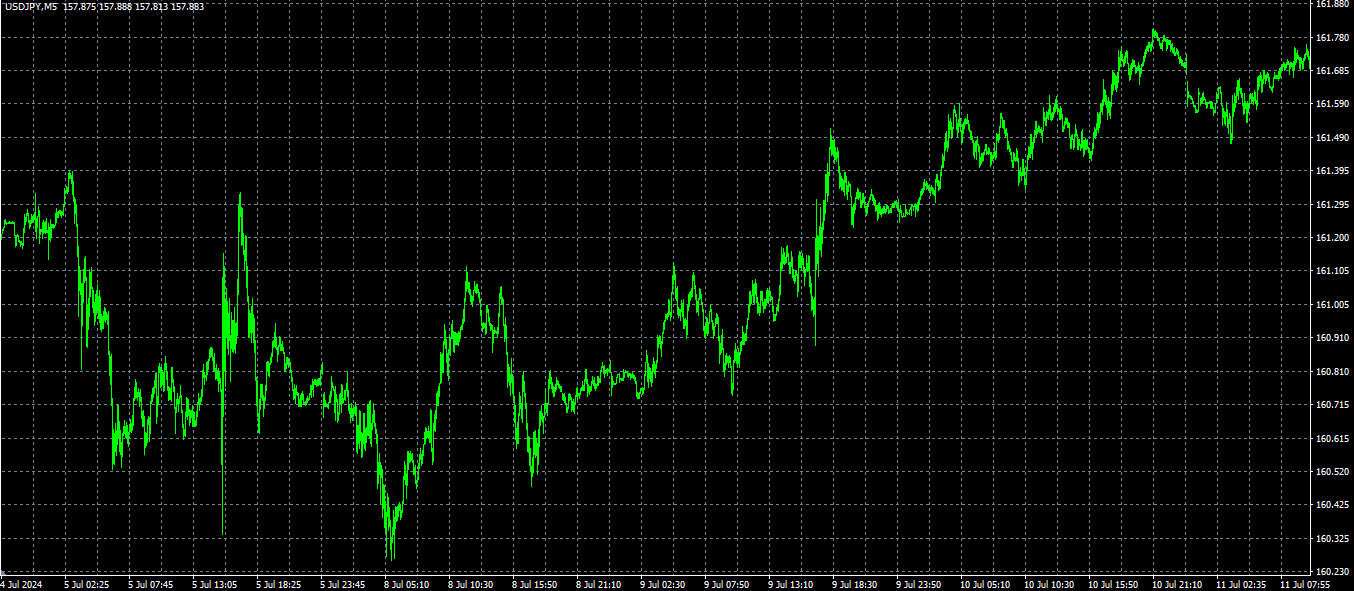

If you’re using a laddering (averaging) logic, single-sided averaging is better
When thinking about scale-in logic
There is a concept of averaging down by going long and short (hedging) at the same time
Basically, while the price is moving against you, losses expand
Essentially, whichever direction it moves, since you are hedging, losses will expand
At this time
If you operate with a single-position mindset
You can perform averaging down in the favorable direction with a single position
For example
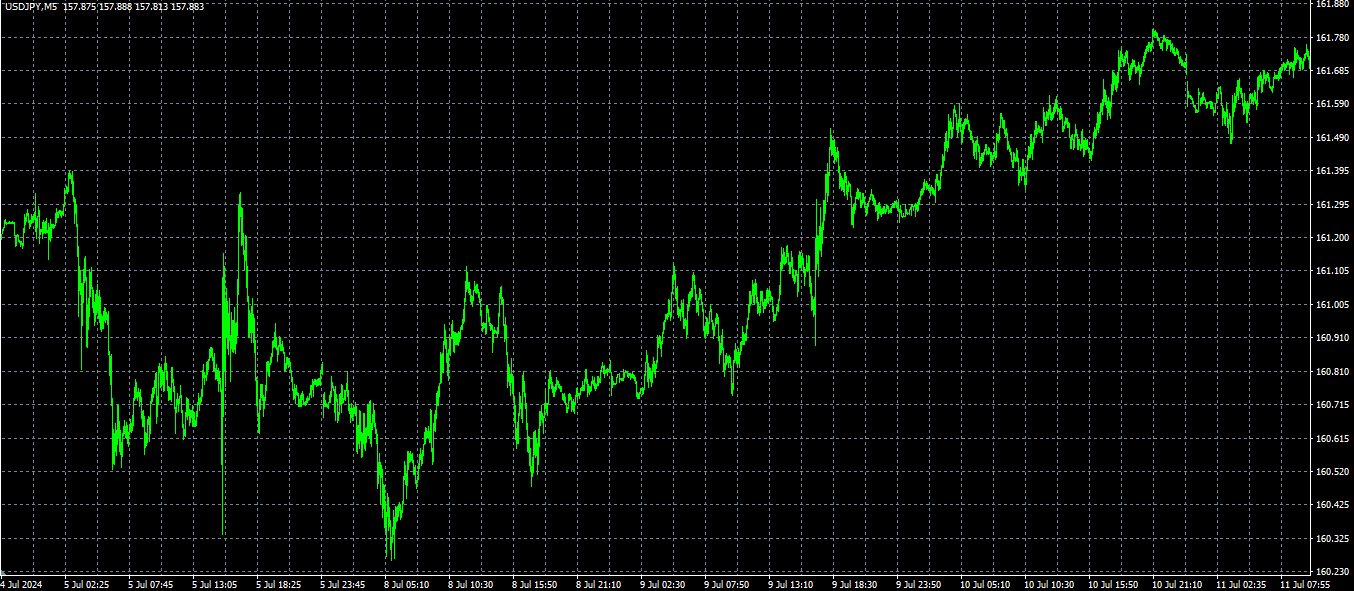
In a trending market, even if it is hedged, you switch to single-position averaging down at an N-shaped follow position
Behind hedged averaging down there exists the possibility that either side could move against you
Therefore, you should adopt a single-position, conscious averaging-down logic
Also, with hedged averaging down
You cannot cut the losses on the lot that’s moving against you
Because you think “it might revert,” since you are hedging
However, with single-position averaging down
Since you have a “single-position focus,” you can “accept the loss,” and stop out
(In other words, the mechanism by which averaging down increases capital lies in where you cut losses)
The required thinking for single-position averaging down is to cut losses, not to pivot
If you incorporate pivoting into single-position averaging down, you will face a back-and-forth beating
The market conditions in which averaging-down logic works
We trade only in past-market patterns where averaging-down logic works
In other words, we “take a break” in certain market patterns and “trade” in others
Choosing to pivot is equivalent to ignoring market patterns
That’s why you end up losing because you cannot increase capital in the end
Single-position averaging down plus market patterns enables us to incorporate the elements of “trade,” “cut losses,” and “rest”
thereby the single-position averaging-down logic becomes viable
The single-position averaging-down logic will hold
※ For those who want to keep earning from FX, click here ↓
× ![]()