

Soccer World Cup and Foreign Exchange Rates
This is Iida-tchi sensei, who is familiar from GogoJiang TV.
I will also be responsible for a column in Investment Navigator, so
I appreciate your continued support.
The Japan national football team’s match was wonderful, wasn’t it!
It’s really disappointing and frustrating!
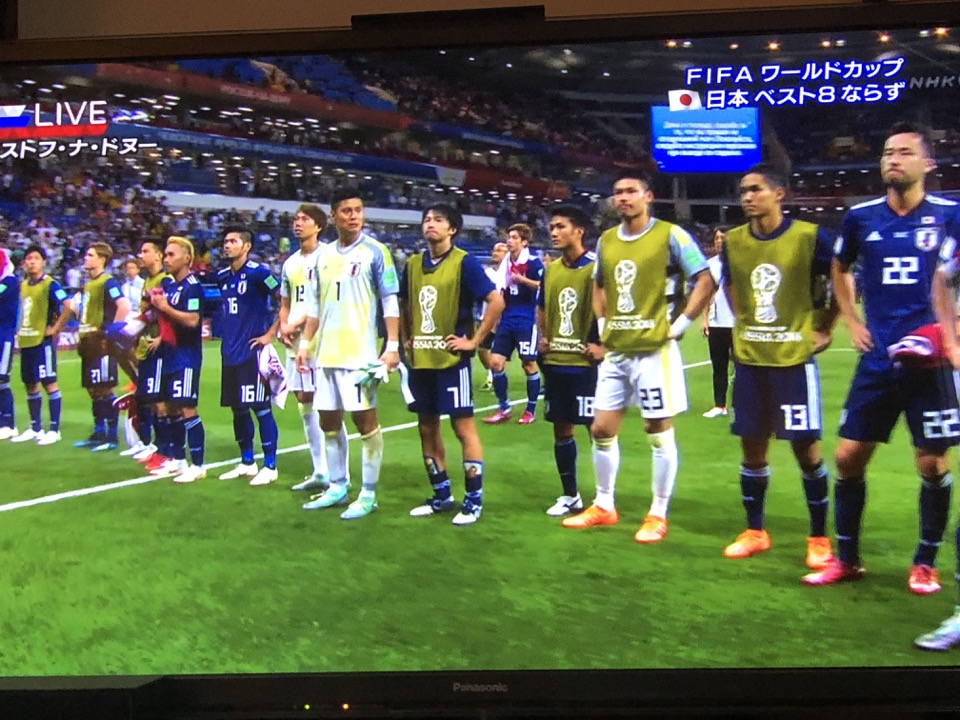
The gap between substitutes is big, isn't it...
From the second half, a 194 cm Manchester United midfielder came on—such a thing is hardly possible...
Belgium was truly exceptional...
In stoppage time at 90 minutes, that super counterattack was incredible...
It was completely unexpected!
Speaking of the unexpected, what does the World Cup have to do with exchange rates and currency movements?
I think some people must have wondered about that.
Whether the World Cup results relate to currency rates or price movements, there probably isn’t much connection (laugh).
This isn’t about price movements; it’s about the ‘unexpected’ story.
How far could you have predicted this World Cup performance?
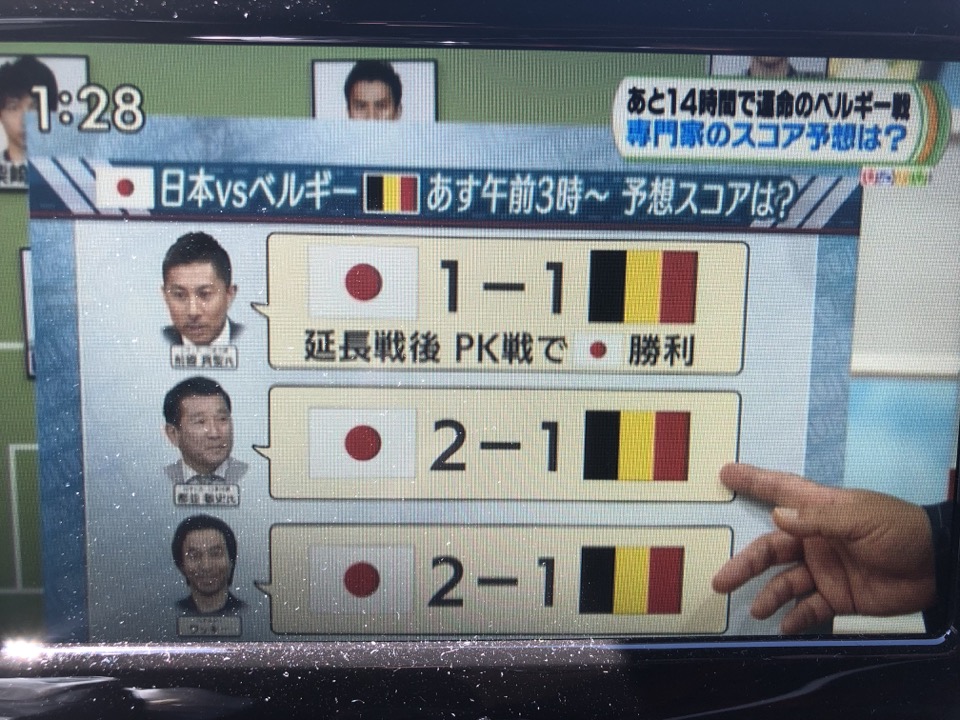
Many programs had many soccer analysts, former professional players, and current players making predictions!
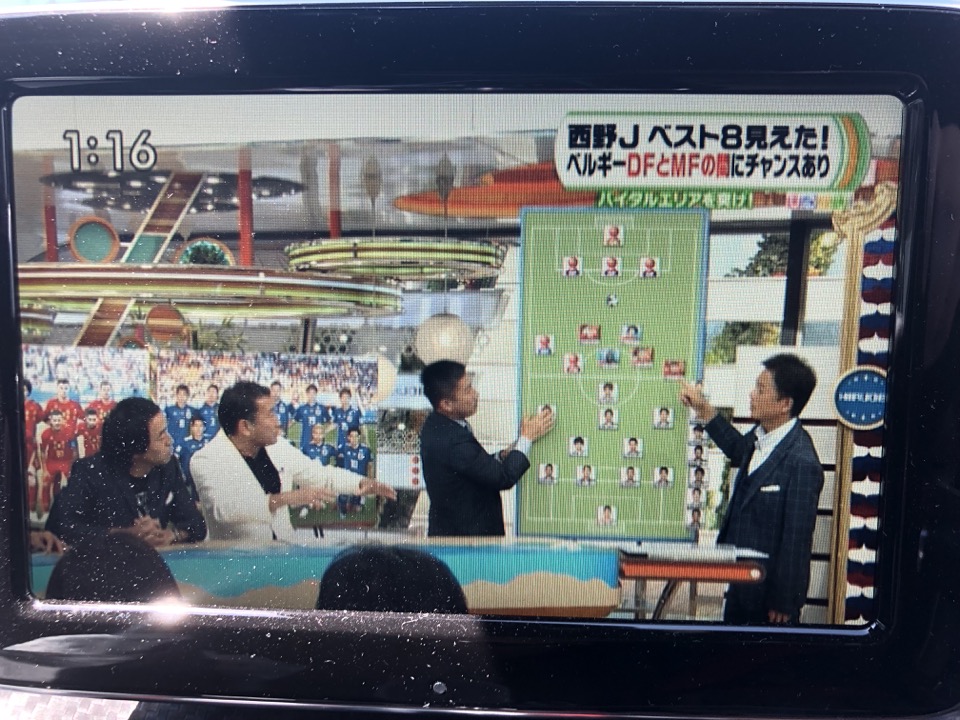
There were even lineups predicted.
However
Could anyone have predicted that in the Colombia match, a red card in the first three minutes for the opponent?
Could anyone have predicted Germany finishing last in the group and being eliminated?
Could anyone have predicted Spain, Portugal, and even Argentina being eliminated in the round of 16?
Could anyone have predicted that Japan would perform so well against Belgium, ranked No. 3 by FIFA?
I think no one could have predicted it (laugh).
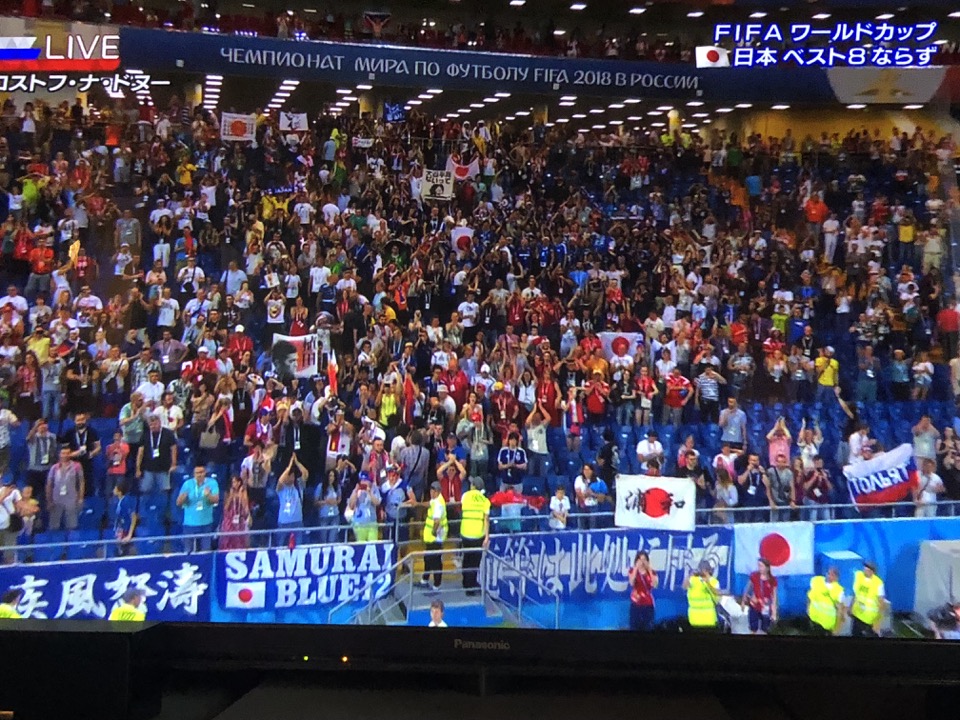
That's right!
The future is absolutely unknowable, and cannot be predicted.
Football is a three-way outcome—win, lose, or draw—and there are so many uncertainties in scores that predicting becomes difficult, so
it’s quite challenging.
That said, the currency market is a binary matter of going up or down, and
since there are charts and indicators, can it be predicted?
And if you could predict whether it would go up or down,
could you also predict to what extent it would rise or fall afterward?
Well, that’s impossible, right? (laugh).
That’s why those seriously trading FX should understand that
the future is absolutely unknown to anyone, and
things will not go exactly as predicted.
In market news,
many economists and elite analysts predict the market, don’t they?
But could they have predicted Brexit in the UK or Donald Trump’s inauguration?
Usually it’s after the fact that the people who predicted it appear (laugh).
So what I’m trying to say is
whether in soccer or markets,
predictions are only a way to liven up the moment!
Famous traders often tweet or post predictions on SNS, don’t they?
If things go as predicted, it becomes exciting.
And followers can gain a lot of followers.
That may be fine, but
if you actually put your money on it,
is it okay to rely on predictions that can’t be blamed on anyone else?
Just because someone famous makes a prediction doesn’t mean it will be right, does it?
Is that okay?
Money lost won’t come back, you know?
Are you okay?
In trading, it’s not enough to just predict up or down!
① Where to take profit if things go as predicted?
② If things don’t go as predicted, where do you determine that they are not going as predicted and how do you exit the position?
The above potential scenarios are necessary.
Because if things go as expected, even a monkey could profit (laugh).
The important thing is when things aren’t going as planned, and when you decide that they aren’t, what to do?
That’s what differentiates professionals.
This is the secret to staying professional for many years.
It’s also the difference between someone who wins for 2-3 years and someone who survives for many years.
And
① The ratio of cases where things go as predicted and ② the ratio where they don’t is important.
A 1:1 ratio isn’t enough.
Because costs such as spreads and taxes are involved, it should be at least 6:4.
Ideally 7:3 or more.
In other words, one trade should correctly go as predicted and take profit,+70 pips
and when it doesn’t go as predicted, cut the loss-30 pips
If you execute the above logic, you likely won’t have a monthly negative balance.
By the way, Iida-tchi sensei trades with
① If successful,+100 pips② If failed,-20 pipsas the standard for trading.
That’s why even with a lower win rate, you can tend to end up positive on a monthly basis.
This is the“Small Loss, Large Gain”in trading.
Small loss, large gain means increasing the ratio of losses to gains in trading.
It’s also called the risk-reward ratio.
It isn’t about accumulating profits to make profits bigger.
That’s merely accumulating small gains.
If you can consistently trade with small losses and large gains, you can operate as a professional trader.
But why is this approach difficult? Because
to realize small losses and large gains, you need the final “exit technique.”
In other words, trading requires two skills:
① entry (the entry point) and
② exit (the exit point),
and many people focus only on the entry,
while the exit is vague.
Only when these two are aligned does trading become complete.
In the Hi-Datto FX study group, there is a secret that forcibly realizes small losses and large gains, and many people succeed as traders.
Also, that tool is sold on GoGoJoon’s page as well.
↓↓↓↓↓↓↓↓↓↓↓↓↓↓↓↓↓↓↓↓↓↓↓↓↓↓↓↓↓↓↓
If there are people seriously thinking about becoming independent as a trader,
please join our study group.
It isn’t free, but it offers profits far beyond the cost!
↓↓↓↓↓ Click here to go to the information page ↓↓↓
Guidance for the Hi-Datto FX Study Group