
Is it a US housing bubble? No, a stock price bubble
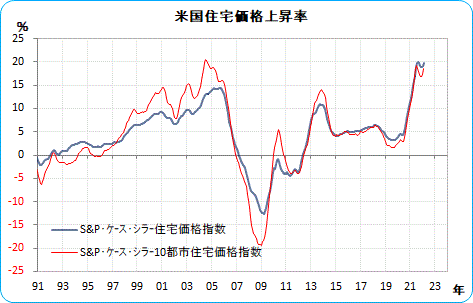
In the United States, housing prices are rising rapidly. February saw a year-on-year increase of 19.8%.
It is a surge comparable to, or even exceeding, the housing bubble period of the mid-2000s.
As a result, the share of disposable income taken up by housing costs is at bubble-era levels as well.
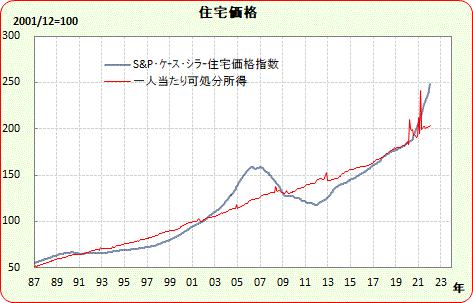
(Note) There were temporary income increases due to social benefits from the COVID-19 relief program (per person $600 payments, enhanced unemployment benefits, etc.), but that is no longer the case.
Is it a big deal? In the market, not much attention is paid to this because there is no concern about the debt-to-disposable-income ratio of households. During the housing bubble, households increased borrowing as home equity loans rose with rising housing prices, but this time that does not seem to be the case. In short, households are sound.
* In Japan, when we say mortgage, it means funds borrowed to purchase a home; in the United States, it refers to funds borrowed secured by the home, with freedom to use the money. If housing prices rise, the collateral value increases, enabling additional borrowing.
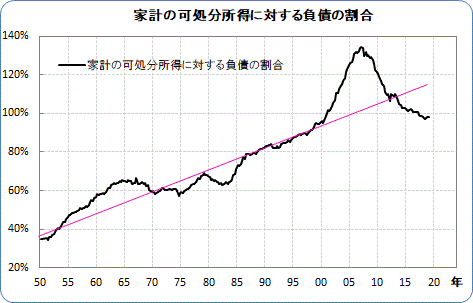
The ratio of debt repayments to disposable income for households is sufficiently low.
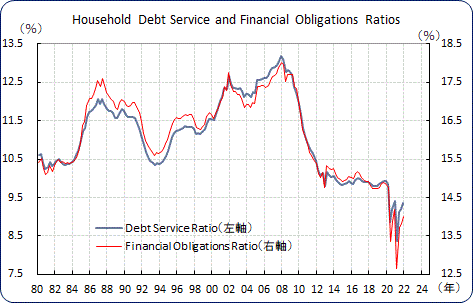
(Note) Debt Service Ratio (DSR)
The ratio of total repayments on mortgage loans and consumer finance to disposable income.
Debt service burden as a ratio to disposable income (principal repayments plus interest payments).
Financial Obligations Ratio (FOR)
The ratio of total principal and interest payments for housing and consumer loans, including ① auto lease payments, ② rent, ③ insurance on owned homes (such as fire insurance), ④ property taxes, to disposable income, indicating a broader measure of debt burden.
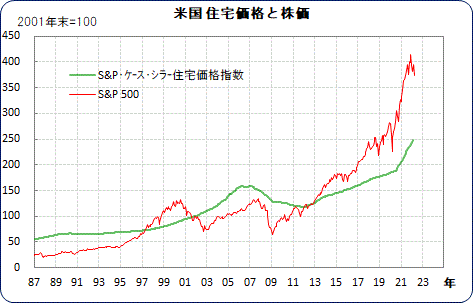
This time, the bubble in question is not a stock price equity bubble, but a price bubble in the stock market.
× ![]()