
Information processing by the sender
0
What is information—this is a theme I am constantly considering.
Because I am convinced it is “the most important thing” in trading.
Information is processed by the issuer. There are cases where it is distorted to an extreme, or where necessary details are completely hidden, but even when there are no such special manipulations, the issuer’s intent is always embedded in the information.
For example, when applying for a company’s interview, what kind of information would you convey to the interviewer?
Since you’re applying because you want to join the company, even if you are worried, you would say something like, “I will do my best. I’ll work hard.” Even a naïve student shouldn’t say, “I’m not confident, it’s really bad….”
Let’s suppose I had an accident in the train because I couldn’t make it to the bathroom in time while commuting.
Probably, I won’t write about it here. I will hide it.
No, perhaps, to aim at something, I might deliberately write it (laughs). Either way, my intent and my will determine the information I publish.
In television shopping, there was a person who, when asked for the price, embarrassingly said, “10,000… 9,800 yen…,” which was a completely unnecessary action, and that was what made it fresh and interesting.
Let’s return to the main topic.
In a reading that analyzes trends in the stock market, even when the same facts are presented, the phrasing differs depending on whether you want readers to feel the market will go strong or weak in the future. Naturally, information is conveyed as the author intends.
For example, headlines like “Company XX 30% profit increase” versus “Still at 30% profit increase” give very different impressions.
Even in a short article, how information is included can manipulate the recipient’s perception.
“Information is always manipulated”This is the principle, and a skeptical view would say,“Information favors the issuer and disfavors the recipient.”This is something to be careful about.

Now, even though information is manipulated, this does not mean you should pessimistically think that “ordinary people are always being controlled.” The evaluation of information and the resulting actions are all determined by your own free will.
With the news that a certain company has a 30% increase in profit, you can freely decide whether to buy or sell, how much to move, and so on.
There is also the option of “doing nothing.”
A cat photo calendar emphasizes the cat’s “cuteness.” But you don’t have to think it’s cute.
Even if a securities salesperson cries and says, “Please buy this mutual fund,” deciding whether to buy or not is your free choice.
Even if you hear that a major international event will cause a crash, there is no obligation to sell.
In reality, regardless of what materials exist, prices are determined; in the market, there are both selling investors and buying investors.
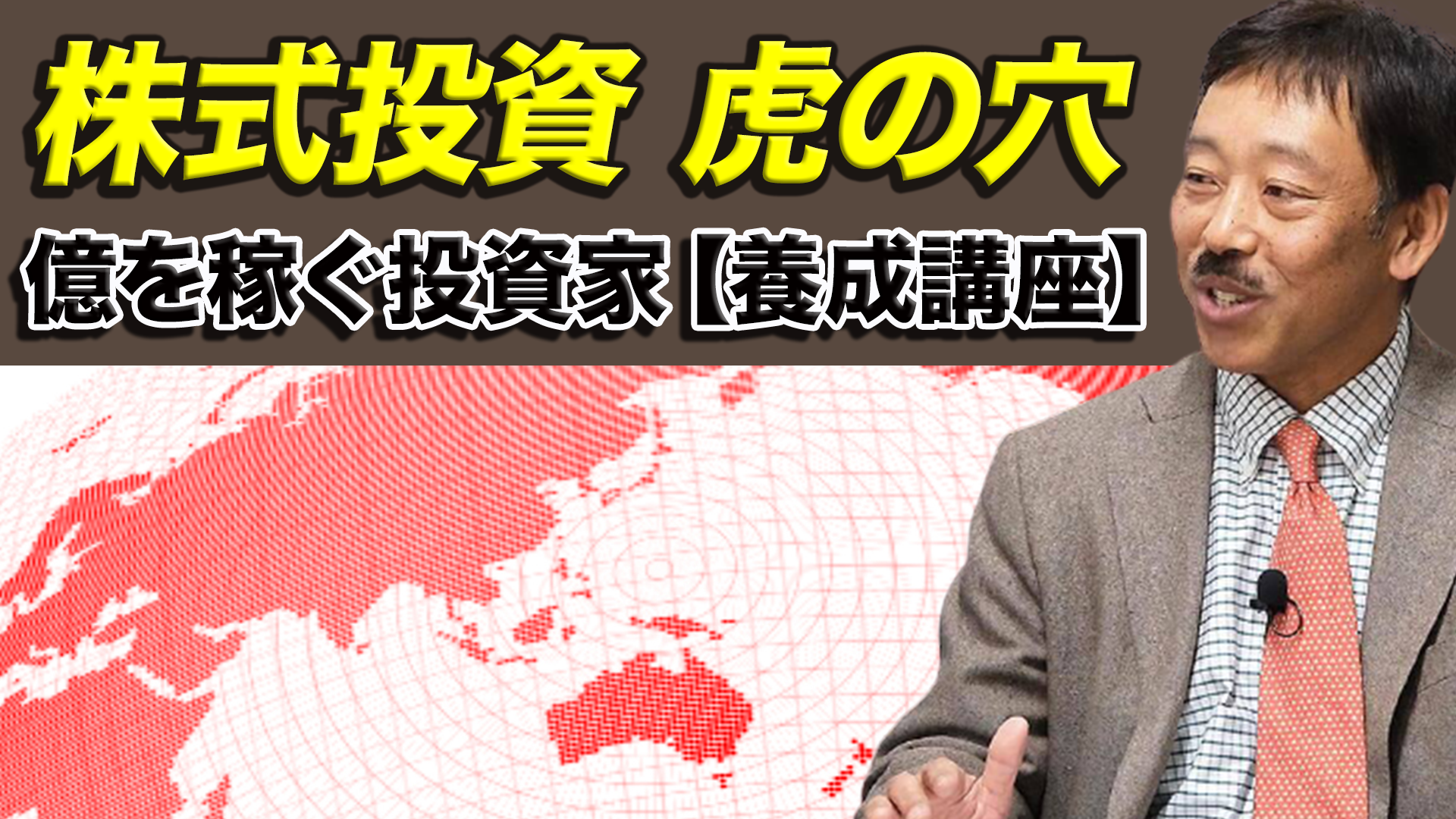
■ Stock Investment [Tiger’s Den] (Lam Investment Research Institute Channel)
We uploaded the latest video on April 22 (Friday).
Stock Investment [Tiger’s Den]
Stock Investment [Tiger’s Den] Absolute Condition for Surviving the Market ~ Risk Management and Capital Management
The market can be easy to profit from, but it can also lead to a quick, large loss. Once you incur a big loss, getting back to the starting point is tough—
■ YouTube Channel Market Scramble
Tonight, the latest video from Market Scramble will also be released.
Please view it at the URL below. Enjoy!

× ![]()