
This week, in the first half, quickly reached the expectation
In Monday's forecast, it was noted that this week the Ukraine situation has further deteriorated, and with the approaching credit due date and the major SQ coming on Friday the 11th, caution is required.
If the Ukraine situation worsens, there would be a selling-climax-like move that could push below the 25,000 yen level, so aiming for below 25,000 yen was considered. Today it fell to 24,681 yen and broke below 25,000 yen.
As for the three days, on Monday the 7th, the US and Europe discussed a possible ban on crude oil imports from Russia, sending oil to its highest level in 13 years, which widened the decline in stock index futures, and it briefly dropped to 25,006 yen, below 25,000 yen. On Tuesday the 8th, following the previous day's US Dow Jones' largest drop of the year, down 797 dollars to 32,817 dollars, the Nikkei Average fell 430 yen to 24,790 yen, slipping below 25,000 yen for the first time in 1 year and 4 months, and this week's forecast was realized in just two days.
And today, Wednesday the 9th, after a rebound from the near 1,800 yen decline over the past three days, it rose to as high as 29 yen above 25,084 yen, but due to the continued uncertainty in Ukraine and after the initial buying wave, it began to fall again with the help of futures selling, finishing down 73 yen at 24,717 yen.
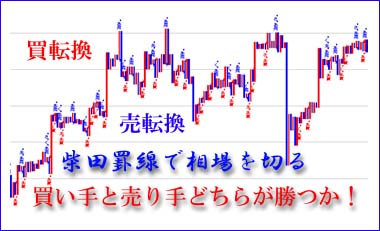
In the near term, sharp moves are expected while Western and Japanese stocks remain weak, but a clear bottom target is hard to see. In Shibata’s charting method, the 24,000 yen level could become a significant floor, but if the price remains below 25,000 yen, there could be a chance to buy the dips and target a short-term rebound. For now, attention is on the movement of the major SQ on Friday the 11th.
× ![]()