
Why is the Nikkei Average's upward movement so heavy?
<In 2021 and 2022, Japan's growth was the only downward revision>
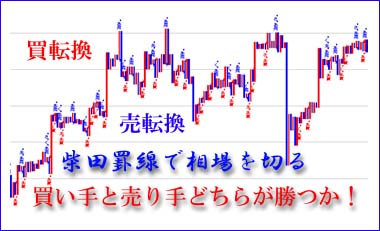
The Nikkei Stock Average fell from the intraday high of 30,485 yen on March 18, 2021, to the intraday low of 28,379 yen on March 24 in a triangle consolidation, then recovered to 27,385 yen by the close on May 13 after a drop on May 11 with a close at 28,608 yen on May 11. However, while U.S. stocks have returned to near their highs, the Nikkei average, although it rose intraday to 29,241 yen on June 7, could not break above the 75-day moving average (as of the 10th, 29,147 yen) and closed at 29,019 yen. Although U.S. stocks in New York have hit new highs (the S&P 500 at a new high, with the Dow Jones and Nasdaq approaching their highs), the Nikkei average remains well below its February 16 year-to-date high of 30,714 yen. Compared with European and U.S. stocks, the underperformance was clear, but yesterday the 15th, buoyed by Nasdaq’s recent new high and a weaker yen, led to a rise to 29,441 yen, up 279 yen. Next depends on the FOMC, but a continued heavy upper range is also possible.