
投資の基本技術(2)…押し目買い
As I wrote last time, popular high-performing stocks in the stock market often do not pull back much even when waiting for a dip, and while waiting they often rise instead of falling.
In such cases, first take the plunge and try buying 1 share at the current level. If it continues to rise, don't be greedy and stick with that 1 share. As it goes up, greed can drive you to add more and more, which can cause a big loss if a sudden drop occurs. Conversely, after you buy, if the price falls, you can add to your position every 3% or 5% decrease (the so-called averaging down). This method lowers the average purchase price, so profits can also be expected.
“Buying on dips” is psychologically difficult, so there is a stock investment method called the average investment method. The simple “average investment method” buys the same stock in the same quantity after fixed intervals. Once you can do that, there is a technique to reduce the number of shares when prices rise and to increase the number of shares when prices fall. By doing so, you end up buying more in the cheaper zones than you would have with a simple average, so profits when prices rise become reliably larger.
There is also a theoretical investment method to implement the average investment technique. Within a fixed amount of capital, you always hold the same stock. Then, when the stock price is high, you sell and reduce the number of shares, and when the stock price is low, you can buy more. This naturally enables dip buying.
All of these theories are based on the premise that market movements follow an expected pattern. They do not account for unexpectedly large declines or rises beyond expectations. In other words, this is a discussion about investing under the assumption that the stock price follows a “cycle” or a “rhythm,” so you can consider it one of your research materials.
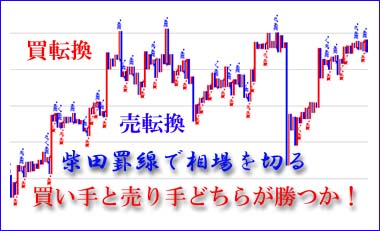
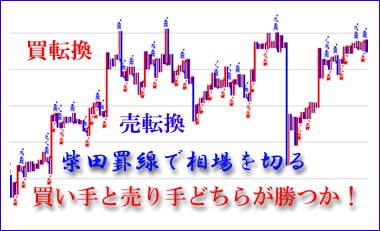
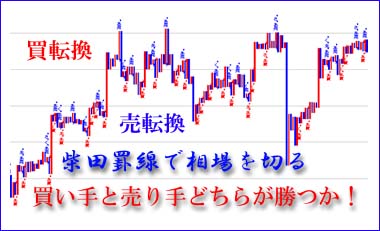
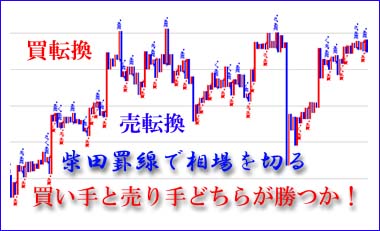
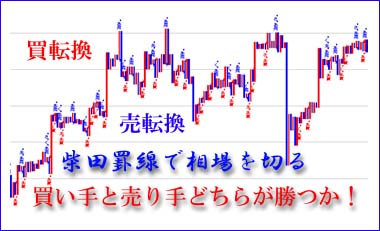
My “Shibata Kaisen Visual Investment” is a dip-buying technique. Its points are:
(1) Select stocks based on this year's and next year's performance forecasts
(2) Look for stocks in the low price range using the chart patterns of Shibata Kaisen
(3) When there is some upward movement, look for stocks in the high range that are about one-third back from their highs
(4) From the one-third back position, search for key support points (previous lows, highs, and consolidation zones) and set your buying point
(5) Similarly, when it continues to rise, identify the key points for taking profits
As a result, over the past year we have selected one stock per day, advised five stocks on weekends, and about 70% of the recommended stocks rose more than 10% from the closing price on the recommendation day within three months.
× ![]()