
Timing of events and stock price highs and lows荒野浩の『テクニカル・ルームから』
Delivery date: 2016/08/29 08:21
At the regular event, it is thought that the movements in Japanese stock prices are mainly influenced by three major events: the Bank of Japan's Monetary Policy Meeting, the SQ (Special Quotient) and the U.S. employment statistics.
In September, due to these events, both stock prices and exchange rates could experience large fluctuations.
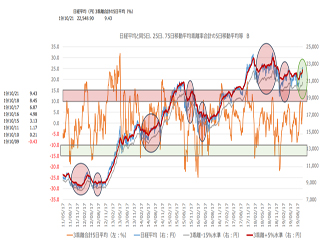
By examining the high and low periods of stock prices since the beginning of this year in relation to these events,
we would like to use September's market as a reference.
Bank of Japan Monetary Policy Meeting and stock prices
Stock prices have repeatedly risen before meetings and fallen after them. This meeting marks a more comprehensive evaluation of the accommodative policy to date, making the meeting's significance heavier than ever. The two weeks before the decision (Sept 05–09) and the one week before (Sept 12–16) will be key in assessing how far prices rebound.
Meeting dates
Jan 28–29
The global focus was on the UK referendum. The meeting's material impact was weak.
Lows occurred the following week.
Jul 28–29
From the high on July 21, rose about 1,703 yen in eight trading days. Lows occurred the following week.
With regard to the decision meetings, without exception, there is a pattern of rising expectations for easing before the meetings and a decline to the lows in the following week after the meetings.
Particularly in April and July, where a substantial rise was recorded, foreign investors together with cash and futures created a weekly net buying around 1 trillion yen. I would like to monitor the dynamics of short selling, which is a useful indicator of foreign investors' trading behavior.
SQ and stock prices
Jun 10: decline until Jun 24 (Brexit decision)
Jul 08: SQ day is the low
Aug 12: SQ day is the high
U.S. employment statistics