
Last week's U.S. economic indicators were mixed; the real move may come at the FOMC on the 30th–31st [from YEN Zou's newsletter]
GogoJungle's YEN Zoukura-san's investment newsletter “Real-Time Top Trading” from this morning’s delivery, a portion of which we will introduce.
【Market View】
As a direction remained unclear, after US stocks rose to record highs in three markets and then corrected, global stock prices declined, but from Thursday’s weekly low they rebounded and the week ended with a recovery. In response to the drop in stock prices, the USD/JPY fell and some cross-yen pairs declined as a risk-off move appeared.
However the euro declined in anticipation of possible rate cuts or signals of cuts at the ECB Council on the 25th, the pound fell ahead of the UK Conservative Party election on the 22nd amid concerns about a no-deal Brexit, while the Australian dollar and New Zealand dollar rose on strong full-time employment in the jobs data.
Additionally, emerging market currencies such as the South African rand, Turkish lira, and Russian ruble also rose against the dollar.Globally, stock prices hit a trough on June 3–4, then reversed, with gains accelerating after the G20 summit and US–China summit at the end of June, but the US and Europe saw those levels as peaks and traded in a range, and the US rose to a high earlier in the week but ended slightly lower.
Last week’s US indicators were mixed. There have been many strong indicators recently, and following the strong results such as the New York Fed manufacturing index at 4.3 released on the 15th, and the Philadelphia Fed manufacturing index at 21.8 released on the 18th, which far exceeded the prior month’s 0.3 and the forecast 5. Retail sales grew 0.4%, but housing starts and building permits were weak, resulting in somewhat mixed outcomes.
With such strong numbers, a 0.25% rate cut by the end of the month on the 30th–31st is priced in at 100%, though some expect 0.50%.
This week the ECB Council will meet first. A hold is anticipated this time, but attention is on whether they will signal a dovish stance or the next round of rate cuts, and whether that would provide support for the stock market.
Even if US stocks rise, if USD/JPY remains in the 107 range, the Nikkei Average may not recover fully and could even decline. USD/JPY and EUR/JPY remain heavy; the Nikkei rose on Friday, but a break below 21,000 yen or 107 could accelerate risk-off moves.
From here to the ECB and the FOMC, maintaining levels of 21,000 yen and 106.50 yen will be critical.
The main move will come from the 30–31 FOMC meeting. If the market responds positively here, stocks, USD/JPY, and cross-yen would rebound. But until then, stock prices may stay heavy with limited upside.
The basic stance is to sell on rallies, and as long as 21,000 yen and 106.50 yen do not break below, the resistance level behavior is expected to continue.【Dollar-Yen Materials and Forecast】
Last week USD/JPY opened at 107.96 and closed at 107.69, a decline of 0.25%.
On the 16th, June US retail sales rose 0.4% month-over-month, beating the expected 0.2%, and core sales excluding autos rose 0.4% versus 0.1% forecast, pushing the pair up to 108.38 at the week's high. Following President Trump’s remark that additional tariffs on China might be possible, stock prices fell, and Fed Chair Powell’s statements indicating that further rate cuts would be taken if necessary due to heightened uncertainty caused USD/JPY to decline.On the 17th, June US housing starts came in at 1.253 million, below the forecast 1.26 million, and building permits at 1.22 million, below the forecast 1.30 million, and IMF noted the dollar was overvalued by 6–12% on a short-term fundamental basis, leading to a break below 108 yen.
On the 18th, the Nikkei Average fell over 400 points, bringing USD/JPY down to around 107.60, but the 7月 Philadelphia Fed manufacturing index came in at 21.8, above the expected 5, pushing it back into the 108 yen range. However, Williams, president of the New York Fed, stated that there is no need to wait for problems to surface when rates and inflation are at low levels, and Fed Vice Chair Lael Klirida said there is no need to wait for a dramatic deterioration to move decisively toward cuts, causing USD/JPY to fall to around 107.21.
Subsequently, Williams’s remarks were clarified as not reflecting a consensus view for the next FOMC meeting, and USD/JPY rebounded to mid-107s. The Nikkei also recovered the roughly 400-point loss from the previous day, and USD/JPY rose to the upper 107s.
Last week, the US 10-year yield stayed above 2.0% at 2.018%, with no drop below 2%, which supported the dollar.
However, Japanese stocks recovered weakly, and even as US stocks rose, the Nikkei faced resistance around 21,700–22,800 and briefly fell below 21,000, creating a negative loop that further weighed on USD/JPY.Weekly pivots: 107.76 is the weekly pivot, 108.30 is the resistance 1 of the weekly pivot, 107.14 is the support 1 of the weekly pivot; this range is expected. If 108.30 is broken to the upside, the lower bound of the Ichimaki KINKU cloud is around 108.80, with resistance 2 at 108.93, suggesting potential upside to that level.
This week earnings reports from Japanese companies will intensify, and moves will depend on those results. If there is a break below 21,000, there is a possibility of testing 107 yen, which would likely move toward the previous low around 106.75 and the weekly pivot support 2 near 106.59.
YEN Zoukura’s Real-Time Newsletter “Real-Time Top Trading” (Gaku Tashiro)quoted.
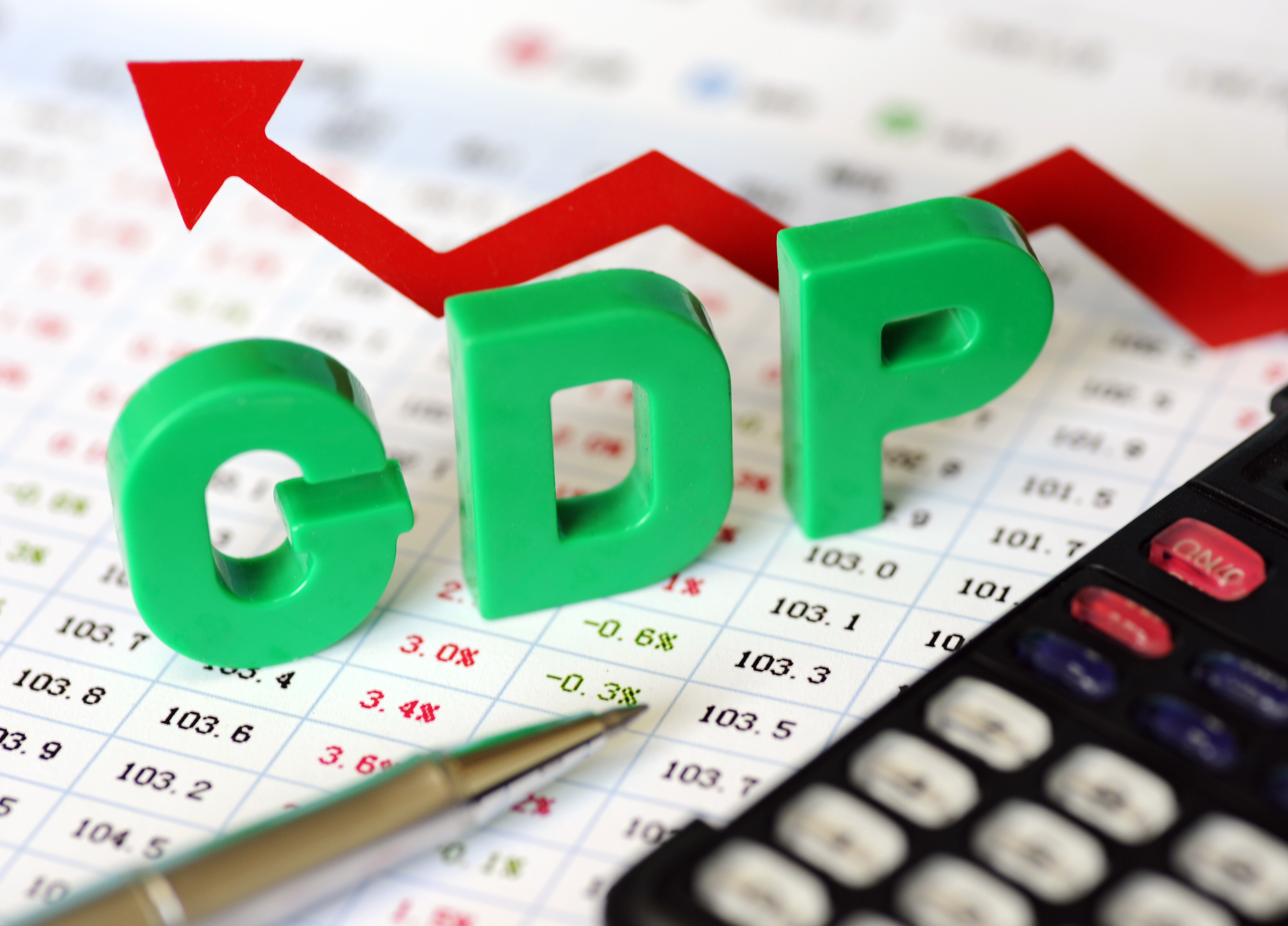
As YEN Zoukura has stated, this week also includes the ECB Council meeting, PMIs from major countries, and the US quarterly GDP release. Because these are key indicators ahead of the FOMC, keep an eye on them. (Editorial staff)