To reach 100,000 yen up to 100 million
To be honest.
The old me
thought, “There’s no way to win under 100,000.”
Having little capital = being at a disadvantage.
So I tried to grow it, and kept taking reckless trades.
But at some point I suddenly realized.
Why is it that with little funds
it seems like I’m “increasing risk further.”
If you think about it normally, it should be the opposite.
If you have little money to protect, you should treat it more carefully.
I had been focused only on “getting bigger quickly.” That was the big mismatch.
Whether you can get to a hundred million with under 100,000 isn’t about technique or talent
— it’s about your attitude toward capital.
That determines it.
The trait of people who can’t win with a small amount is simple:
They see capital as a “chance.”
But those who are winning see it differently.
They see capital as something to “protect.”
This difference is huge.
What triggered my change
was shifting my mindset from “increase” to “don’t decrease.”
From there, I did only three things.
① Don’t enter where it’s unreasonable
② Keep the lot size fixed
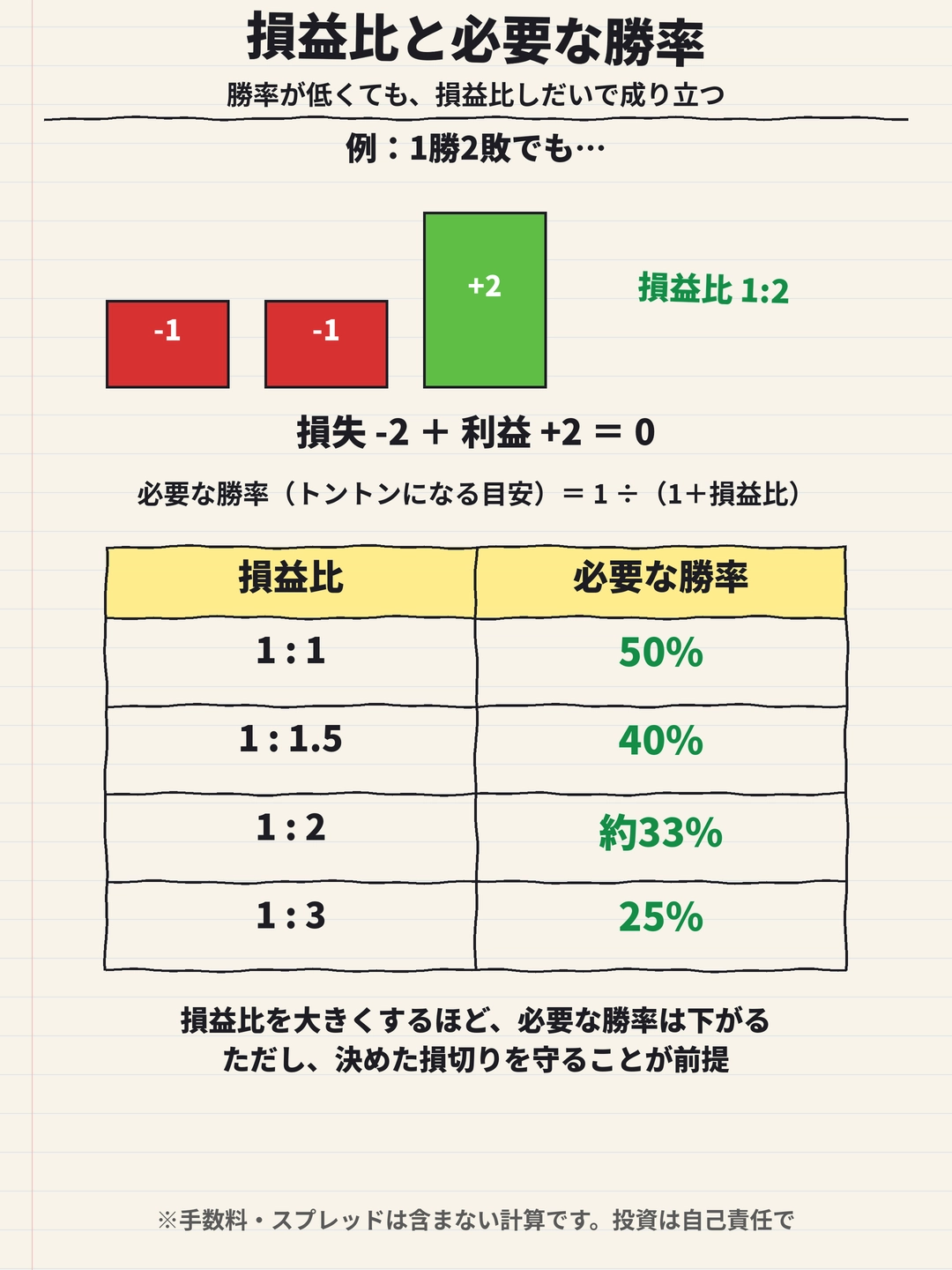
③ Make losses small
That’s incredibly simple, right?
But those who don’t break the norm are the ones who remain.
Also one more thing. Many people don’t realize this. A habit you form when you have a small amount will show up even when your funds grow.
So if you’re sloppy now with 100,000, you’ll do the same with 1,000,000. Conversely, those who can protect 100,000 will suddenly flourish when funds grow.
In the end, people who make billions with under 100,000 aren’t doing something special
They’re just not breaking what should be done.
If right now you think, “Even if I grow, I’ll fall back quickly,” “I get tempted to enter,” or “I make mistakes with lot size,”
then you’re still in the growth stage.
It’s just a misalignment. Fix that misalignment and your capital will grow properly.
Finally.
If you want to grow from under 100,000 to billions
don’t focus on how to increase it; first learn how to protect it.
This alone changes the scenery you can see.