
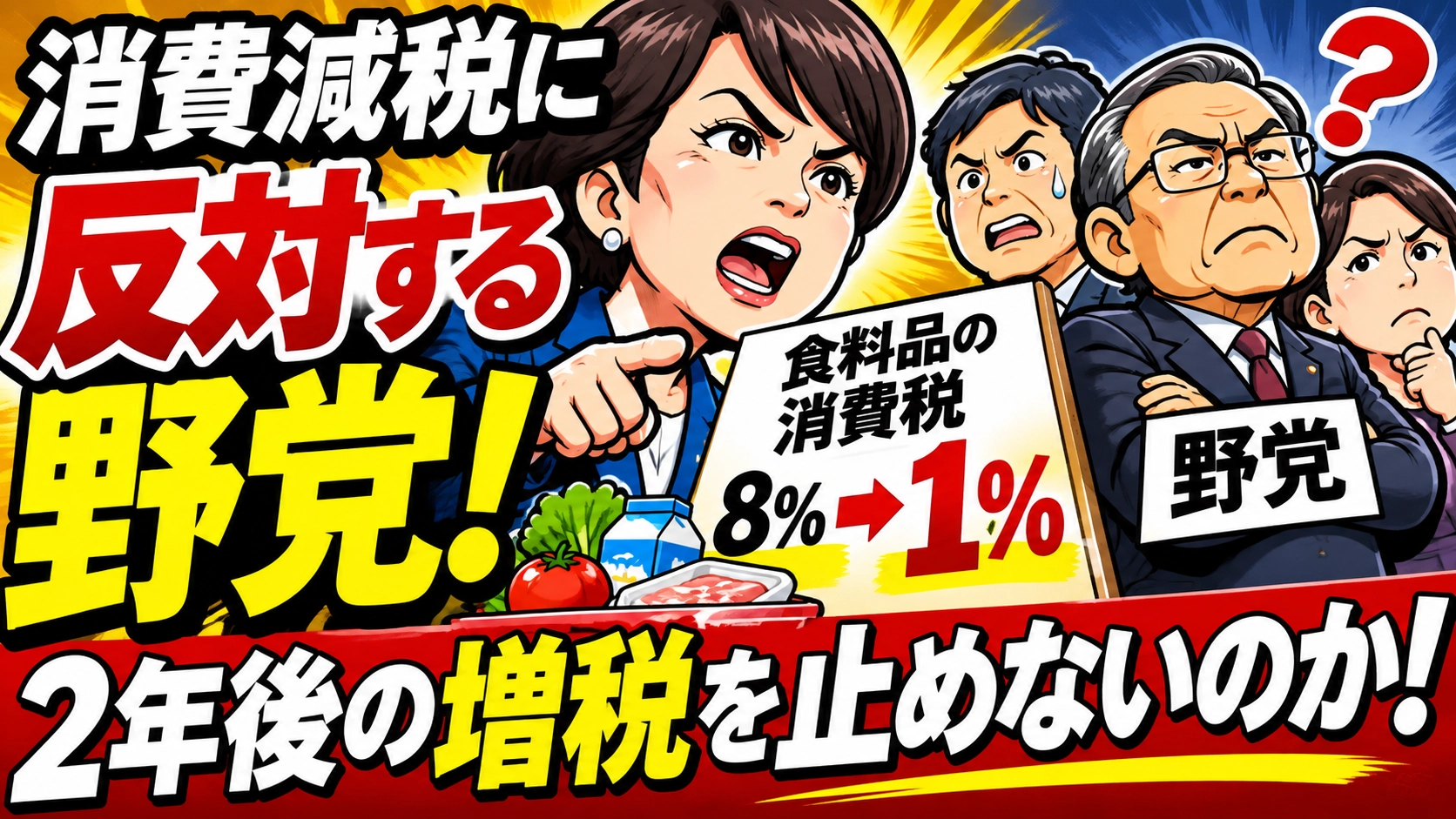
Opposition parties against consumption tax cuts, what are they doing? Shouldn't we avoid tax increases for two years and continue the tax cut?
?This article was posted on November 6, 2026 ⇒Latest related articles?
The talk of lowering the consumption tax has finally started to move concretely. However,the opposition parties are all opposed. They had been advocating tax cuts during the election, but now that it is about to be realized, they oppose it.The reason is that it is not a uniform tax cut, and the funding sources and the mechanism of benefits are unclear.


Of course, it is necessary to confirm the system and funding. However, there is a more important issue in this debate.That is, why is the premise to revert the lowered consumption tax back to the original rate after two years?
If the opposition truly cares about people's lives, shouldn’t they not only oppose but also present counterproposals to sustain the tax cut?
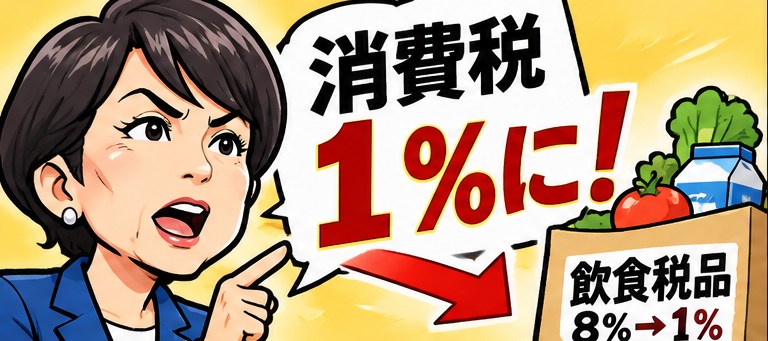
? Shouldn’t we stop the tax hike after two years rather than oppose tax cuts?
On November 6, a bill to reduce the consumption tax on groceries from 8% to 1% for two years starting in April 2027 passed the House of Representatives. The remaining 1% will be covered by benefits to low- and middle-income earners, making the actual burden zero.
However, all opposition parties opposed it. There are various reasons, including calls for an across-the-board tax cut and concerns about funding, beneficiaries, and transparency of the program.
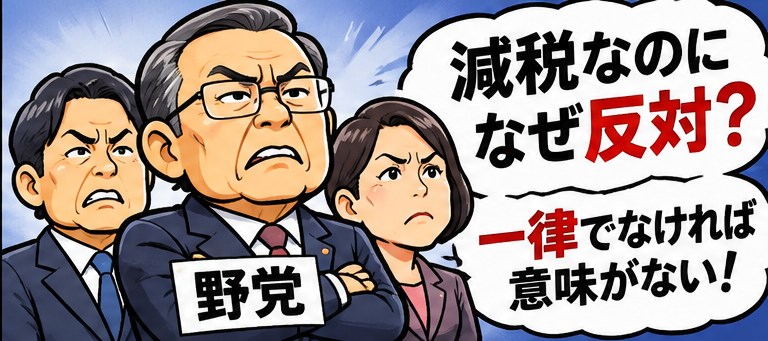
But a question remains here.
If the government intends to proceed with the tax cut, isn’t it possible to first realize the tax cut and then push to expand the scope?
For example, continuing 1% for groceries while lowering other items to 5%. It would also be possible to propose a comprehensive reform of the tax system. Of course, if it is to be permanent, it is necessary to explain funding and the impact on social security.
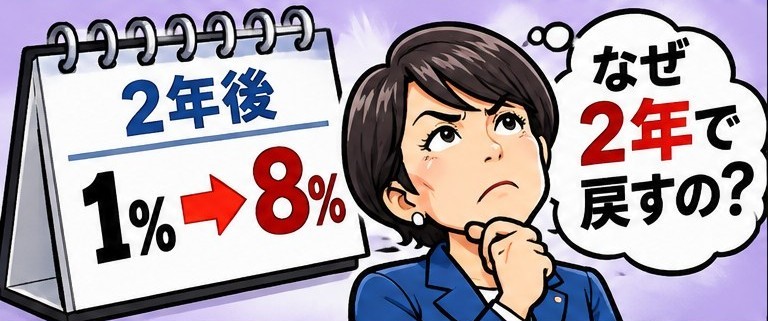
What is more concerning is the two-year timeline.
Prime Minister Tachichi has stated clearly that the rate will be returned to 8% after two years with responsibility. The shift to a post-benefit tax credit is also part of the package, positioning the tax cut as a temporary measure by the government.
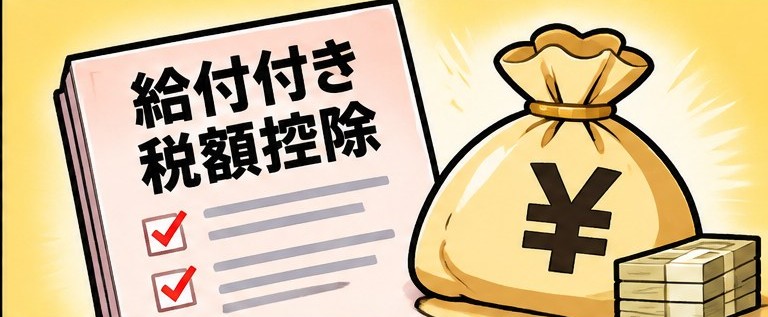
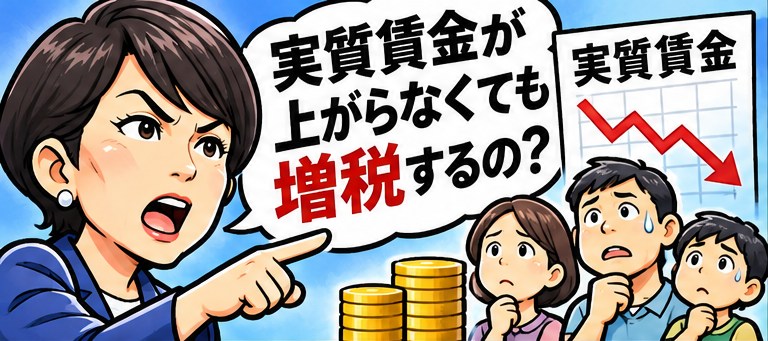
But what if real wages do not rise after two years? If prices stay high? If the burden on households increases further due to a weaker yen?
Will they still raise taxes as planned after two years?
The opposition should press on this point, perhaps.
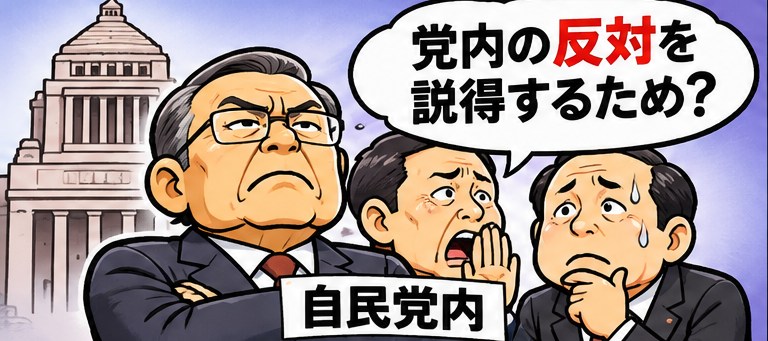
? The Liberal Democratic Party’s circumstances are irrelevant! Why don’t the opposition propose continuing the tax cut?
This condition of “return after two years” may be related to internal LDP considerations.
There are lawmakers within the LDP who oppose consumption tax cuts. Politicians who are cautious about reducing the consumption tax, like former Prime Minister Ishiba, exist.
If Prime Minister Tachichi needs to persuade internally or factions that prioritize fiscal discipline to realize the tax cut, and set a two-year limit as a political compromise, that is understandable as a political concession.
However, that is an internal matter for the LDP. The opposition does not have to accept that compromise.
Rather, they should press, saying, “Prime Minister, will taxes be raised two years from now even if the economy has not recovered? Shouldn’t we change the condition so that taxes are not raised until real wages rise and prices stabilize?”
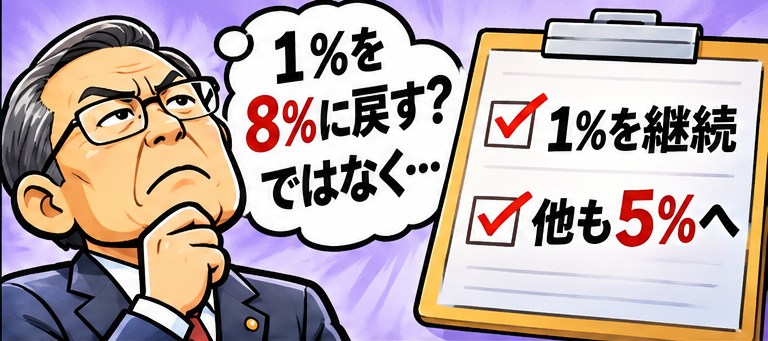
Furthermore, if they present concrete counterproposals for continuing the tax cut—such as funding and extending reductions to other items to 5%—it would become a policy discussion, not just opposition.
If tax hikes resume, a system should be created to quantify real wages, prices, and household burdens to verify that people’s lives are improving.
If two years pass and taxes are raised, the purpose of the tax cut would be lost.
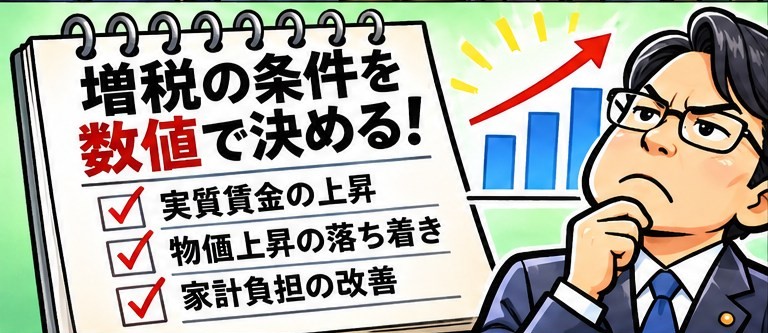
Is it the opposition’s job to simply oppose government policy? Or is it to propose policies that protect people's lives?
Rather than nitpicking or merely criticizing the government, they should demonstrate a stance that stands with the public through concrete debates like this.
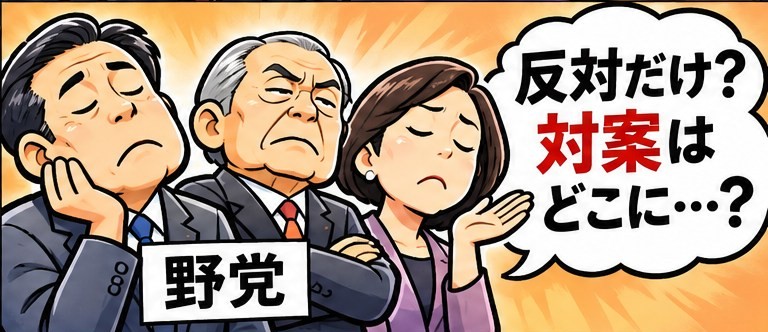
? What is the purpose of the opposition?
Lowering the consumption tax to 1% and restoring it to 8% after two years are separate issues. If the deadline is set due to internal LDP circumstances, the public does not necessarily have to accept it.
If the opposition truly seeks tax cuts, shouldn’t they propose concrete conditions for continuing the tax cut and resuming tax increases rather than merely opposing?
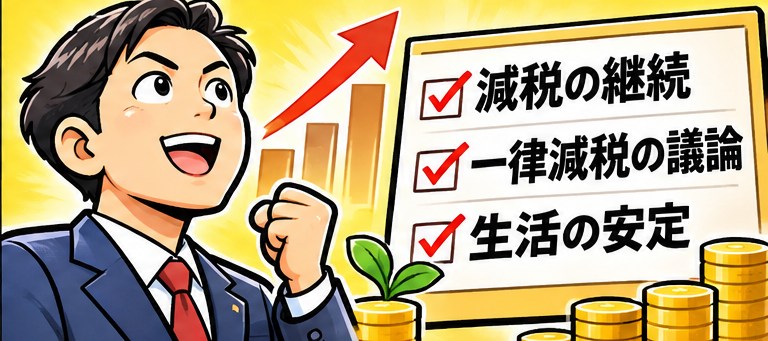
Add tax cuts to utilities and essential living costs. Reassess the reduced rate. Debate lowering across the board to 5% or 1%. There should be several policy options.
So why don’t the opposition actively present such counterproposals?
Why do the opposition exist as politicians?
The current debate over consumption tax cuts is not just about the tax itself. It is a crucial moment to rethink the roles of the opposition and ruling party, the meaning of political existence, and what Parliament is for.