

[The Trading Edition] Episode 22: Farmers and elites clash?! The reality of the futures market and the magic of leverage
Last time (the 21st installment), I talked about the trap of CFDs that transformed from professional tax-saving tools to a gambling tool for the masses. I hope you could feel the terrifying aspects of “leverage” and the “invisible costs.”
Now, this time I will guide you to the world of futures and commodities—the origin of leverage, where enormous capital and human desires clash in a brutal sea of waves.
1. No escape route! A cruel contract where “obligations” intersect
While options were a business of buying “hope (rights),” futures are entirely different in nature.
An obligation you can never escape:A futures contract is an agreement to buy or sell a specific quantity of a commodity at a predetermined price by a future date. Options allowed you to abandon the rights and flee if circumstances were unfavorable, but futures impose strict obligations on both the buyer and the seller to fulfill the contract.
Something painful if you step on it:The traded “commodities” include essentials like wheat and crude oil—goods that underpin the economy. In old times people joked that a commodity is something that hurts if you drop it on your foot.
The compulsion of stop-loss:If the market moves unfavorably to you, you must either realize the loss and exit the trade or post additional margin. Because there is no escape route, the market is extremely strict.

2. Two tribes: those who discard risk and those who hunt risk
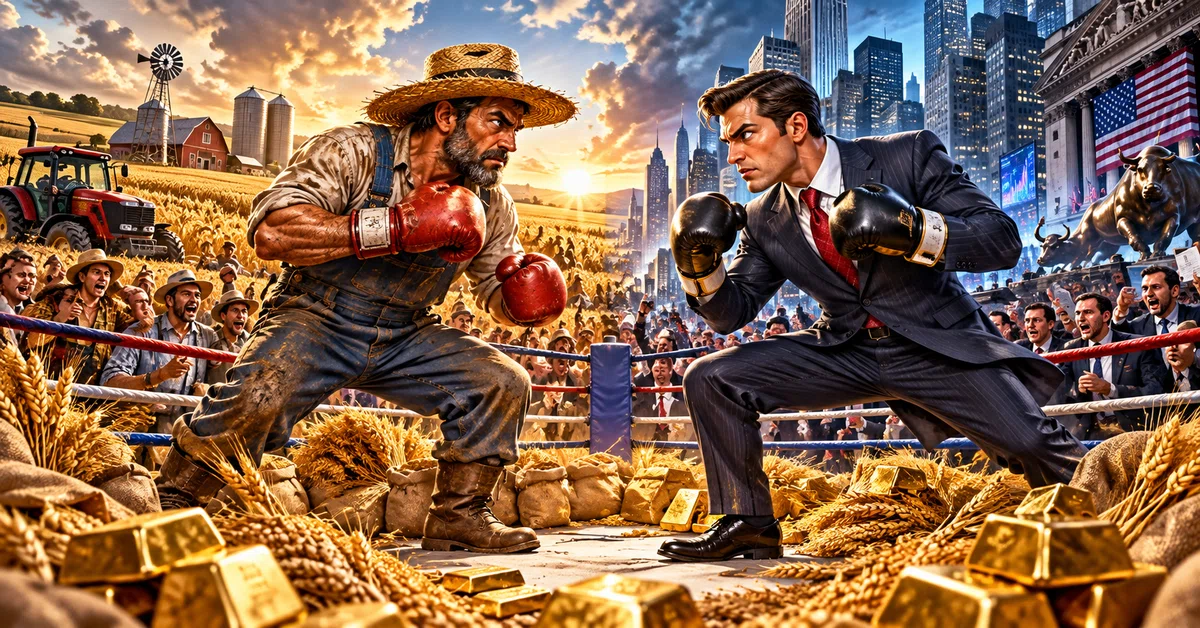
Why does such a harsh market exist? It is because there are “actual demand players (hedgers)” who stake the fate of their businesses.