
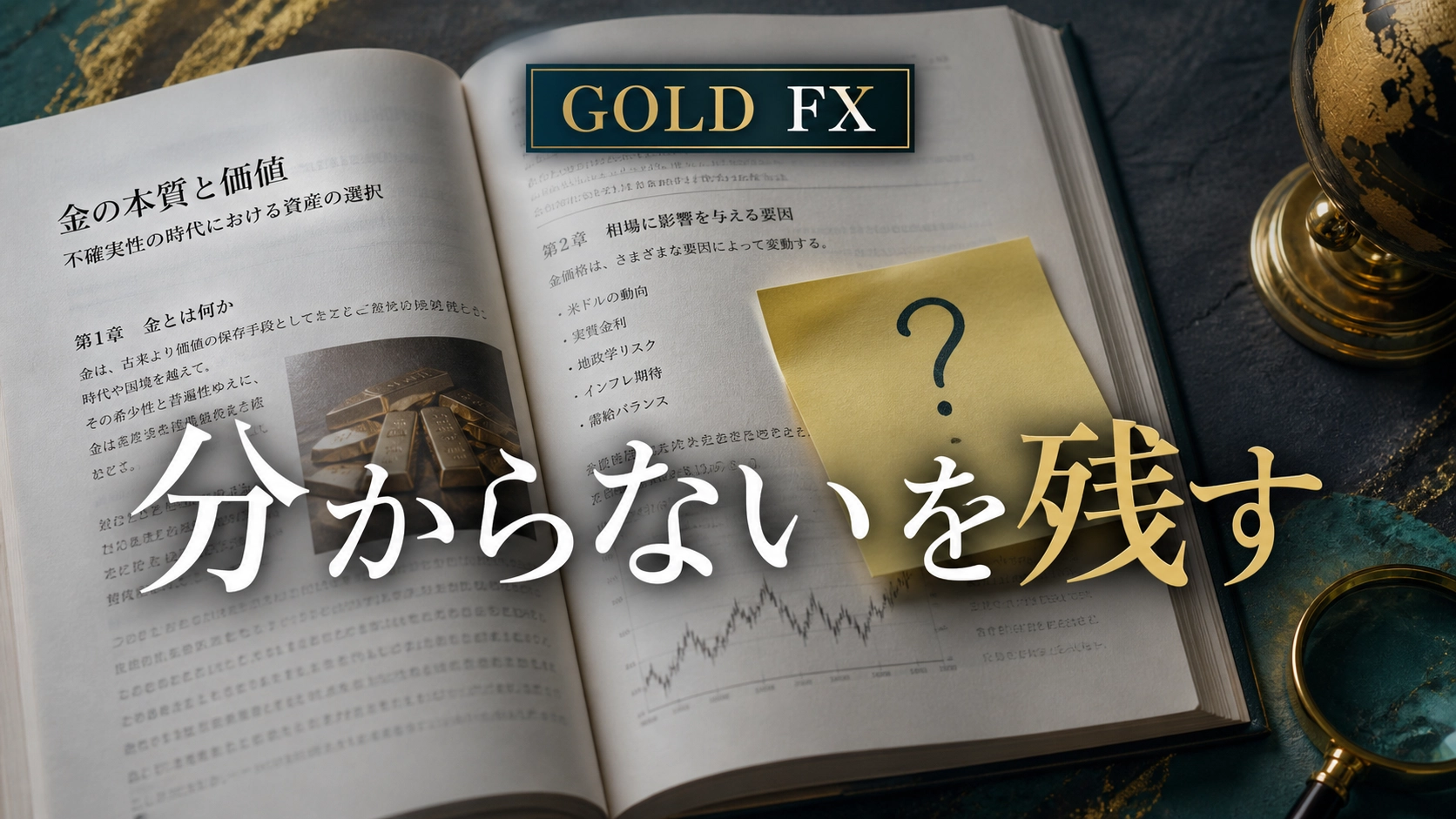
[Stuck on an Unknown Page] Convert skipping ahead into a question memo
? Turning "Skip to skip" on unfamiliar pages into a question memo
Good evening!
This is Masashi^^
Today I’m writing for those who prioritize finishing the material and proceed with unclear parts as vague as possible.
You may be able to read the text, but there are places where you don’t know which part of your chart it applies to.
An unclear line is not the reader’s weakness; it’s the next entry point. Rather than the amount of knowledge, we narrow the confirmations used at this moment.
Question memos will be a bridge between the教材 and practice. Making the short phrase “leave something unclear” the standard for today.
? When to use "leave the unclear"
Breaking down the scene, there are parts where you can read the sentence but don’t know which part of your chart to apply it to.
An unclear line is not the reader’s weakness but the next入口. If you skip this discomfort, the conclusion tends to be decided first.
What to especially avoid is advancing with the assumption you understand and reinterpreting it to a convenient meaning in practice.
From the perspective of “leave the unclear,” you do not return the explanations you created after the result to the materials used for decision before ordering.
Unclear places are not weaknesses; they become concrete questions to confirm next
This time’s starting point is, when you cannot concretize the questions, do not move to the next chapter; search for a single scene.
? Which words are unclear, and can you indicate them with a single word rather than a sentence
The first step in this scene is the idea that unclear places are not weaknesses but concrete questions to confirm next.
Question memos will be a bridge between教材 and practice. Do not try to erase urgency; limit what you confirm.
First, can you indicate which word is unclear with a single word rather than a sentence?
Second, can you explain which part of your scene you’re applying it to and where you get confused?
If even using “leave the unclear” as a standard doesn’t connect confirmations, it’s okay to leave the conclusion that it’s unclear.
To implement “leave the unclear,” place the condition that stops judgment before emotion.
⚠ Movements to avoid with "leave the unclear"
The easiest to revert is to assume you understand and move ahead, then reinterpret to a convenient meaning in practice.
In the record of “leave the unclear,” don’t fix everything at once; check only the parts where you can indicate which word is unclear, not a sentence.
What you fix is not the result, but the prior step where you can explain which scene you’re unsure about.
If you do not skip and turn the clarified parts into questions with the same standard, lucky judgments will not carry over to the next time.
In the reflection of “leave the unclear,” you will not break confirmations that were working at one result.
Changes for “leave the unclear” are one at a time. Compare again next week in the same scene.
? One week of practice
The first task is to separate three questions into three columns: words, scenes, and your judgments, over one week.
To implement “leave the unclear,” focus on whether you could re-create the same confirmations rather than profits or frequency.
The main metric to record is the number of places where you could turn unclear questions into questions without skipping.
Even on days you didn’t manage, by leaving it, you’ll see where in the教材 the place where you were about to finish reading is, and when you tend to move forward with unclear parts.
The one-week trial of “leave the unclear” counts only the places where you could turn them into questions without skipping.
The practice of “leave the unclear” does not increase; you compare the same single item for seven days.
✅ Three confirmations when using “leave the unclear”
First, confirm which word is unclear, whether it can be indicated with a single word rather than a sentence.
Next, express in your own words in one sentence which scene you’re applying it to and where you’re unsure.
Finally, if the question cannot be concrete, decide not to move to the next chapter and just search one scene.
To implement “leave the unclear,” if any one of the three is blank, close that scene.
When using “leave the unclear,” put the reason you would adopt it before the conditions you would drop.
Stop criteria for “leave the unclear”: if the questions cannot be concrete, do not move to the next chapter and search only one scene.
? How to use GOLD special medicine for “leave the unclear”
Use GOLD special medicine not as a document to read once, but as a judgment note to return with practical questions.
In situations where you use “leave the unclear,” place the purpose of holding the product not on the number of times you enter, but on reproducing the confirmations.
From a state where you proceed with different reasons each time, if questions cannot be concretized, decide not to move to the next chapter and search only one scene to become removable.
Therefore, those who prioritize finishing the教材 and progress with unclear parts should decide the situation to use before the product name.
To implement “leave the unclear,” GOLD special medicine is not a substitute for answers, but a tool to avoid scattering confirmations.
Simply from the教材 text alone, there is not always one unique answer for a given market
? People who can base decisions on “leave the unclear”
The suited ones are those who prioritize finishing the教材 and proceed with unclear parts as vague as possible.
The decision to “leave the unclear” is not about discarding discretion, but about using discretion in the same order.
On the other hand, the教材 text alone does not guarantee a unique answer for individual markets.
GOLD special medicine does not guarantee profits, and it is not a product that creates orders to search a single scene when questions cannot be concrete.
Those who can decide which scenes not to use it for can use the product in a practical way.
Practice with “leave the unclear” should confirm discrepancies in judgment using demos or small conditions.
? Summary: Leave the unclear
What I wanted to share is that unclear places are not weaknesses, but become concrete questions to confirm next.
First, determine which word is unclear with a single word rather than a sentence.
Next, explain in your own words which scene you’re applying it to and where you’re unsure.
And if you cannot concretize the questions, do not move to the next chapter; skip that one scene.
Starting tomorrow, begin by dividing three questions into three columns: words, scenes, and your judgment, over a week.
If you can leave places where you could turn them into questions without skipping, you’ll see evidence that your judgment has changed beyond win/lose.
If you prioritize finishing the教材 and proceed with unclear parts, please check the content and usage of GOLD special medicine^^
Leave one thing: Leave the unclear to the next scene.
Pre-purchase check: The教材 text alone does not guarantee a unique answer for individual markets. See if it fits the role you seek.
?View GOLD Special Medicine details
Thank you always for reading ^^