
Today's Ginkan (銀漢) has a [winning shape]
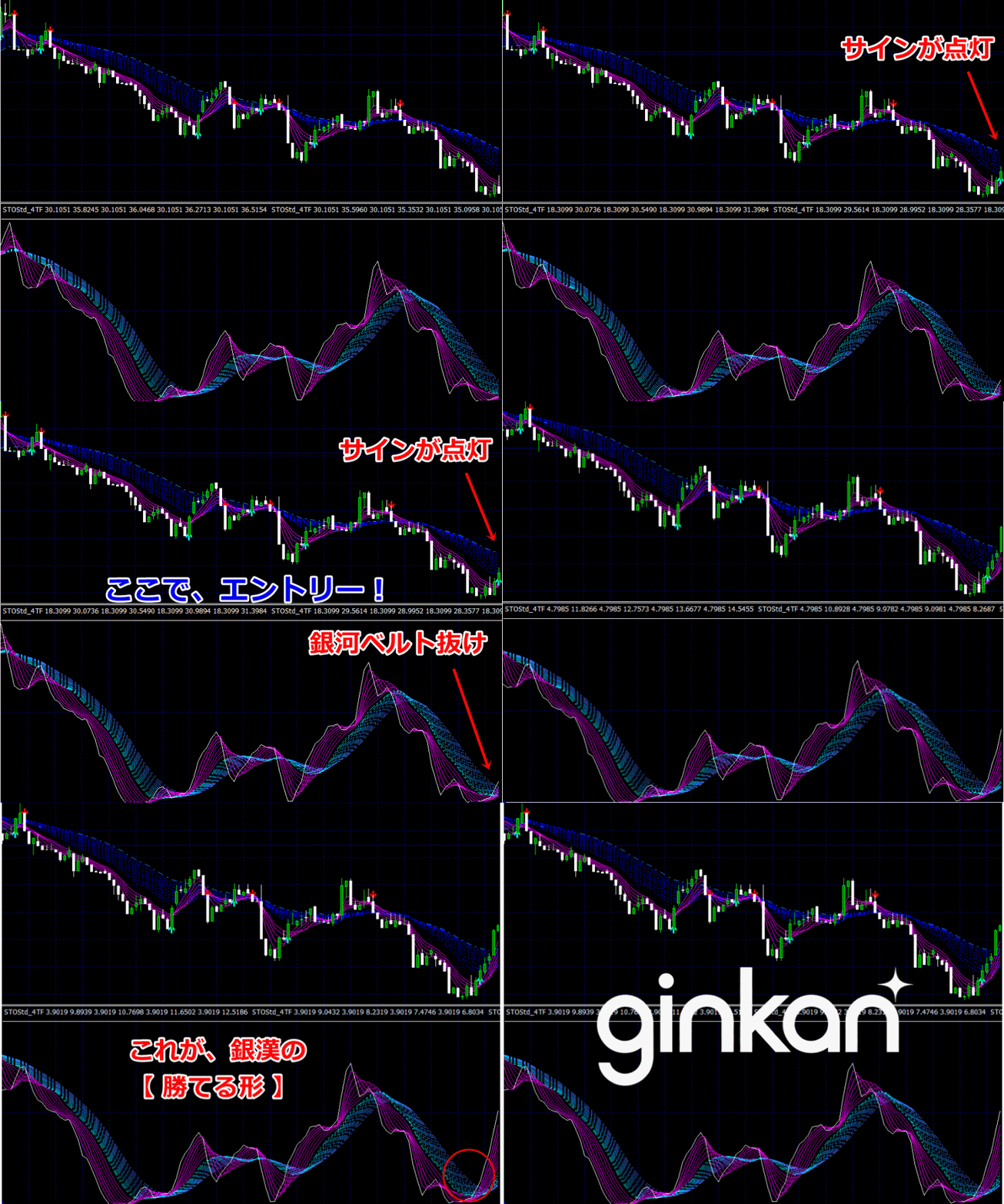
July 30 Ginkan (Ginga) USDJPY1 minute chart
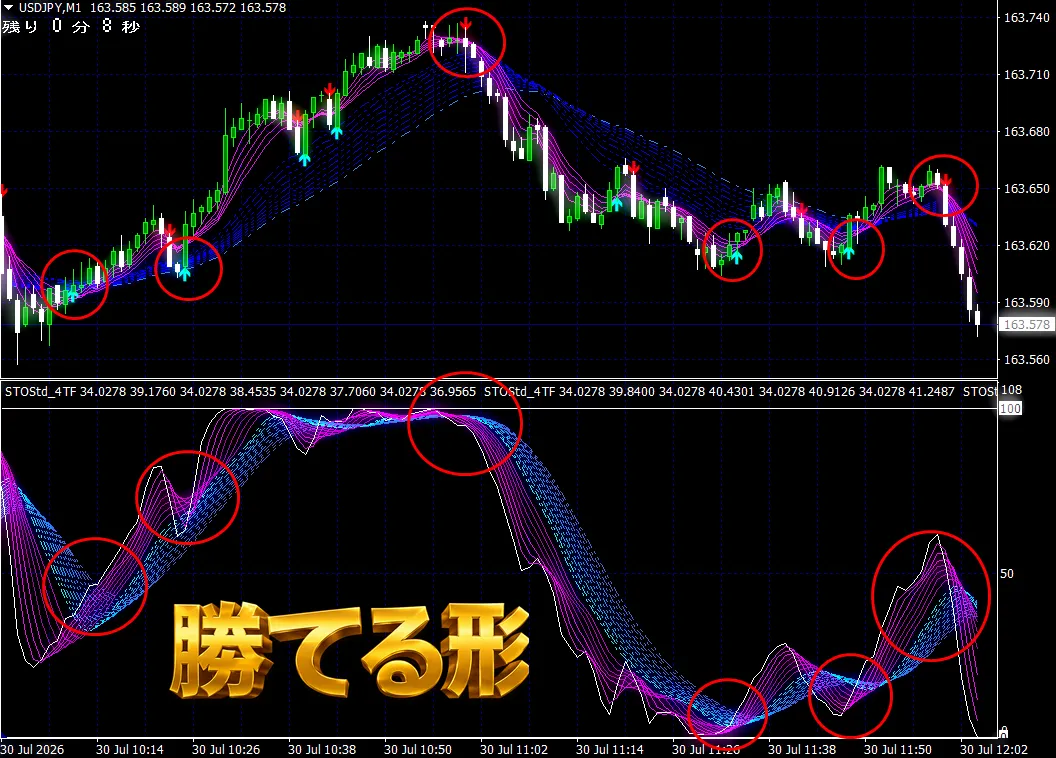
Lower sub screen: the indicator shape inside the red circle is the “winning shape”
Lower sub screen: the indicator shape inside the red circle is the “winning shape”
Ginkan (Ginga)
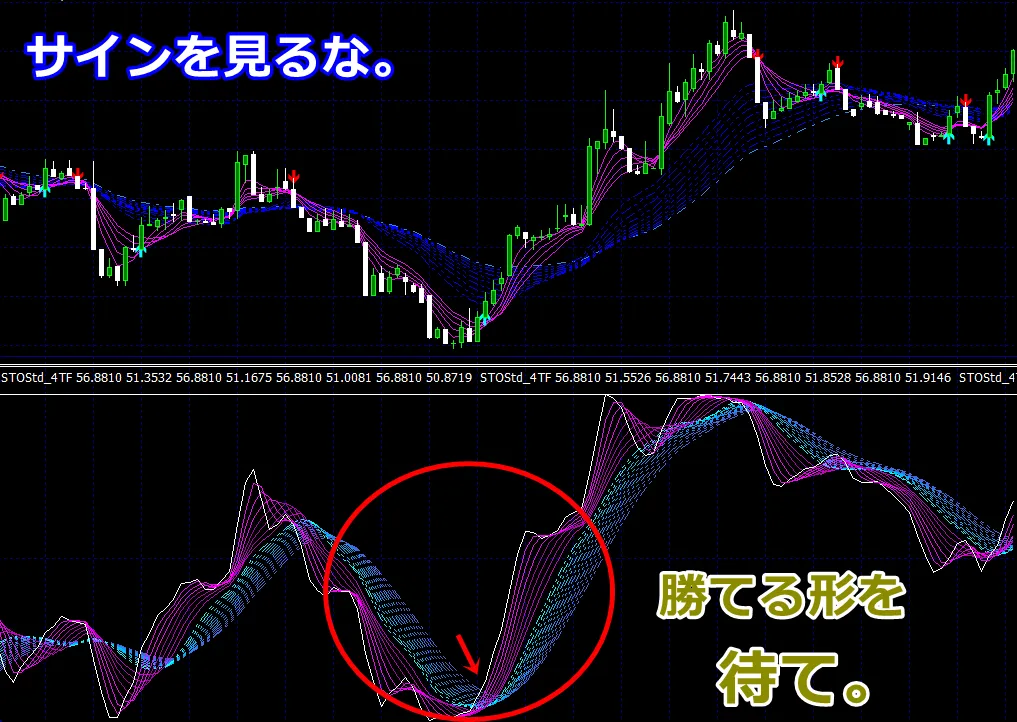
◆ Do not look at the signal. Wait for the winning shape.
Most traders jump on signals.
Ginkan teaches the idea of “wait until the winning shape is completed.”
Many traders think, "enter when a signal appears."
However, what Ginkan teaches is the opposite.
A signal is only an entry candidate.
What really matters is the moment when the “winning shape” is completed and breaches the Galaxy Belt.
First, we will share that viewpoint.
◆ We do not enter on signals.
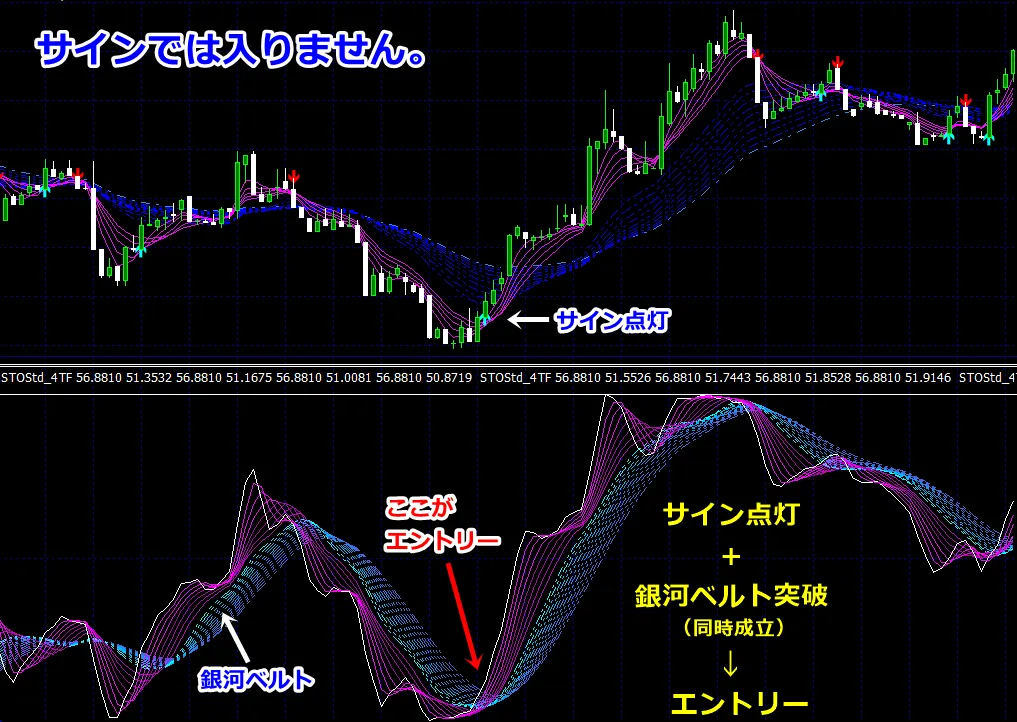
Many indicators assume entry as soon as the signal lights up.
But Ginkan is different.
A signal is only an entry candidate.
“Signal on” and “Galaxy Belt breach” occur
simultaneously is the moment we enter.
Therefore we skip unnecessary signals,
reducing false moves.
◆ Why not enter just on signals?
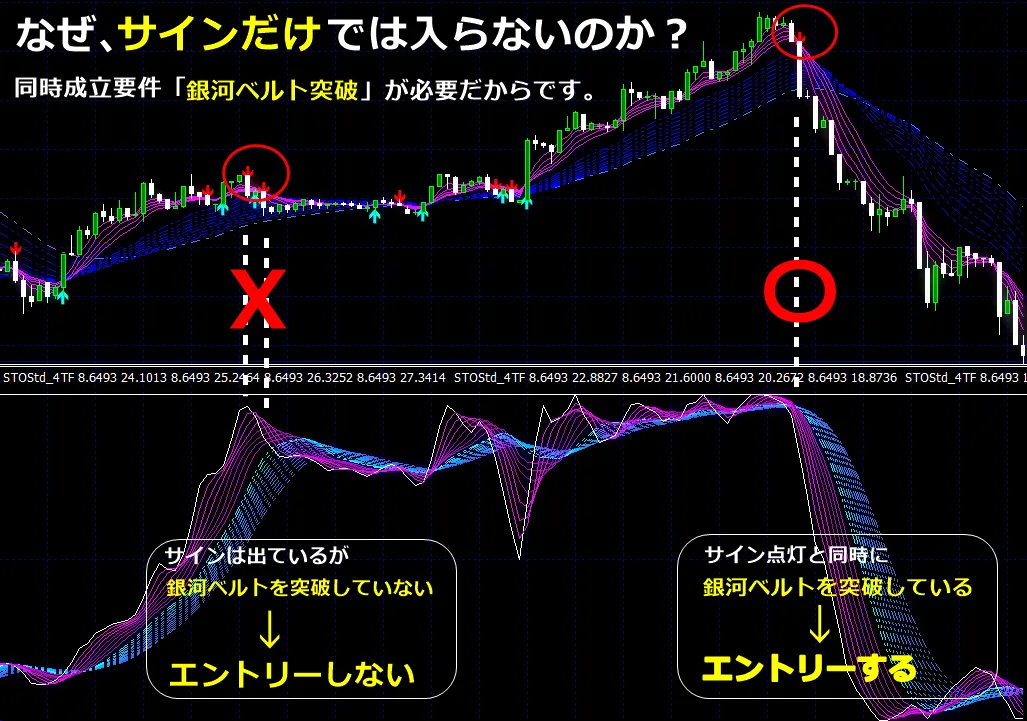
Signals light up in both trending and range markets many times.
Jumping on immediately leads to more unnecessary entries.
Ginkan
signals light up
and
Galaxy Belt breach
only when these two occur simultaneously do we enter.
Thus we can reduce wasteful trades.
◆ Those who lose enter at every signal.
Those who win wait for the winning shape.
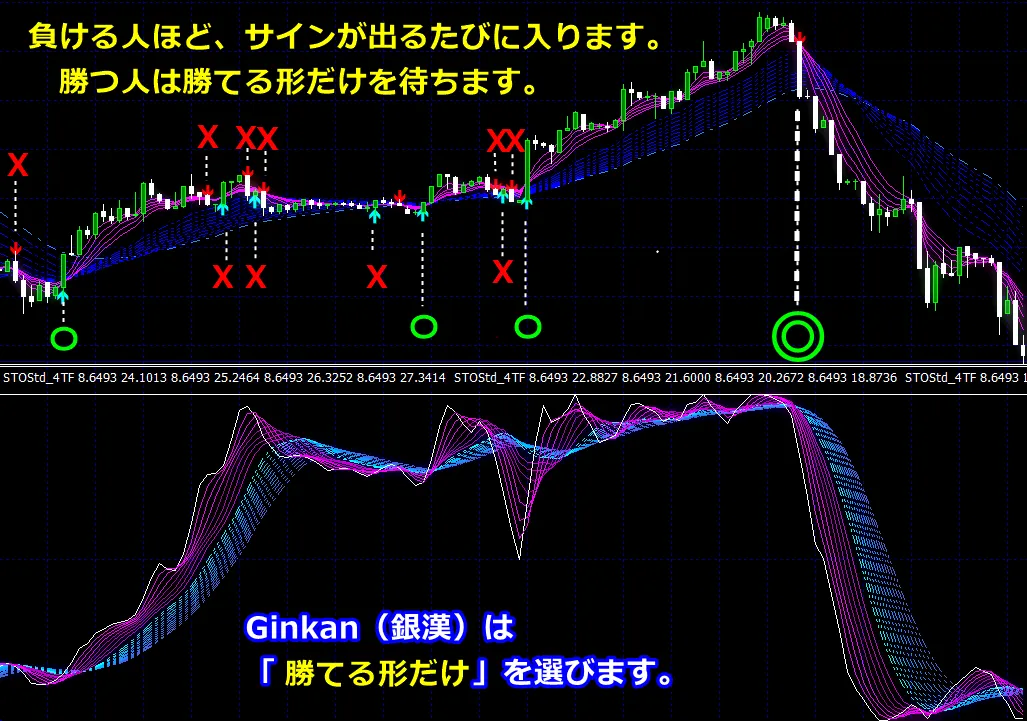
What Ginkan does is
select only signals that are already winning shapes.
By discarding unnecessary signals,
you can focus only on truly target scenarios.
Would you like to replicate this “winning shape” on your own chart?
◆ The shapes are these two.
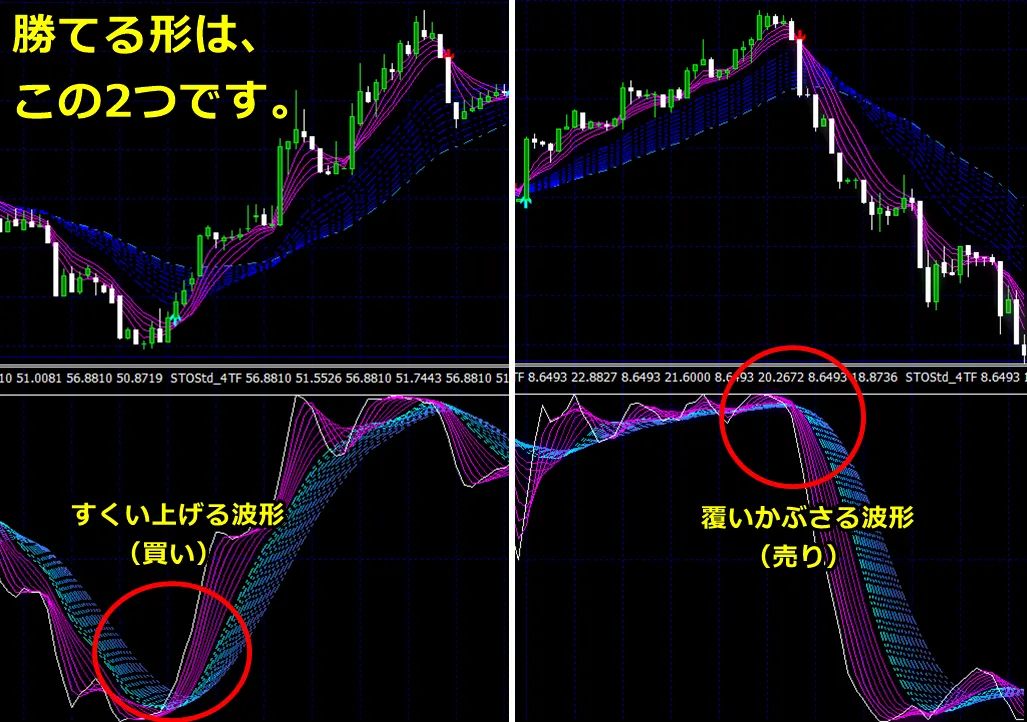
What Ginkan watches is not signals.
It is price action.
Wavespatterns.
If you memorize only these two wave patterns,
your chart perspective will change.
Example 1Rising wave pattern
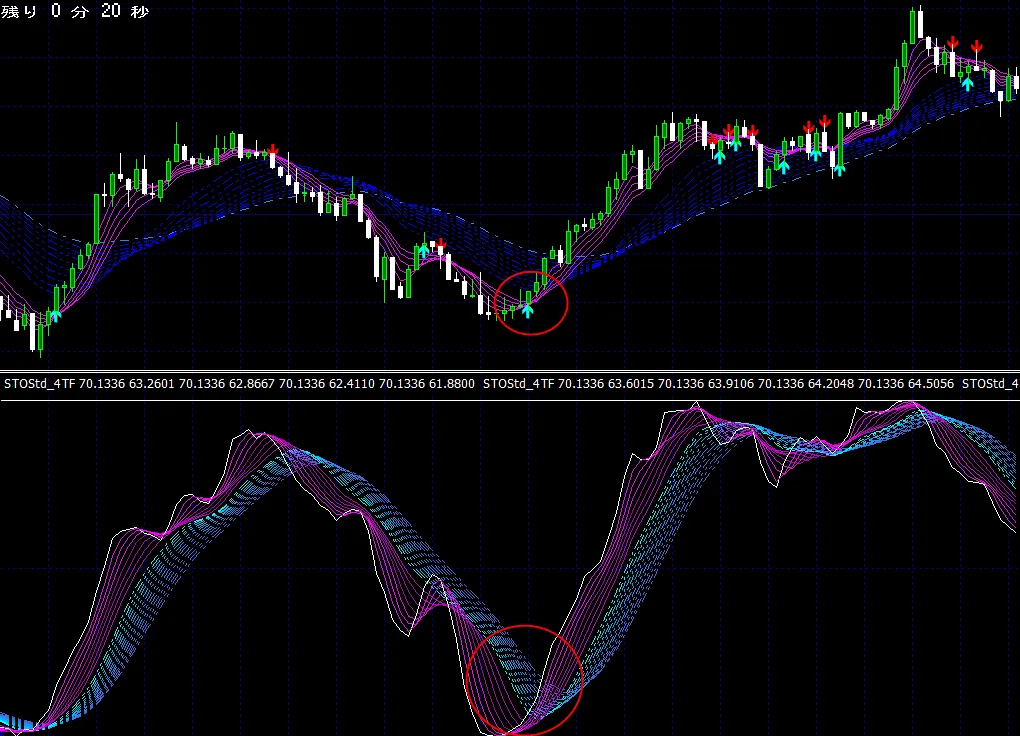
The pink band reverses as if scooping up from below the Galaxy Belt.
When the signal lights, breach the Galaxy Belt,
buy entry.
Example 2Rising wave pattern
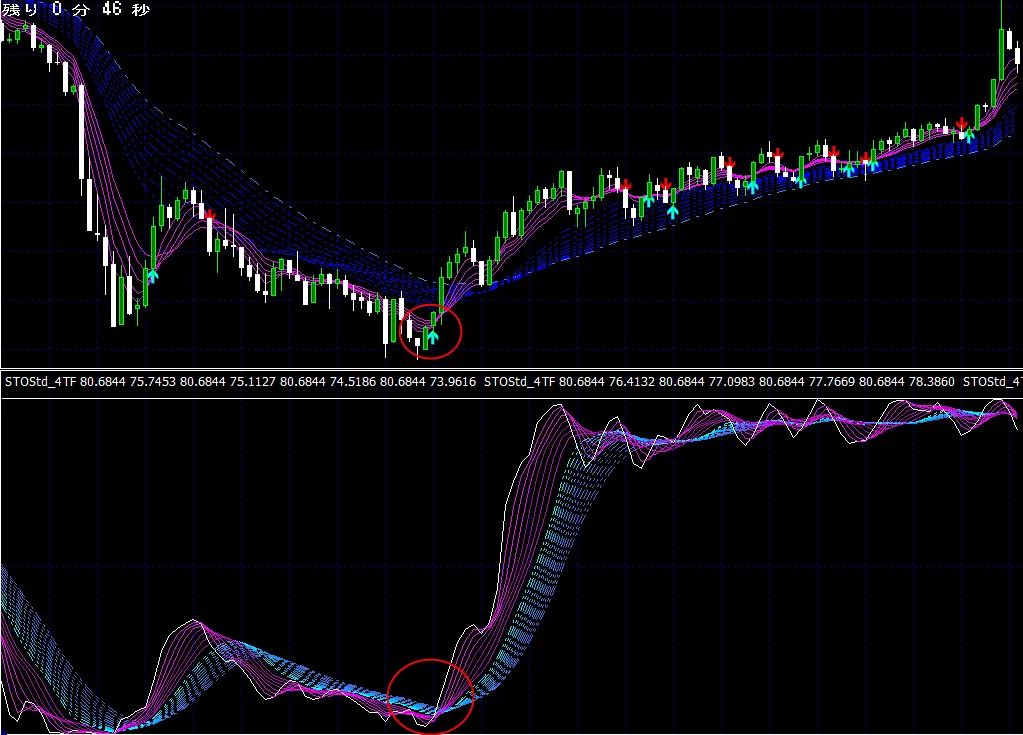
The same pattern can appear
even if the currency pair changes,
and even if the timeframe changes,
repeatedly.
So it can be reproduced.
Example 3Rising wave pattern
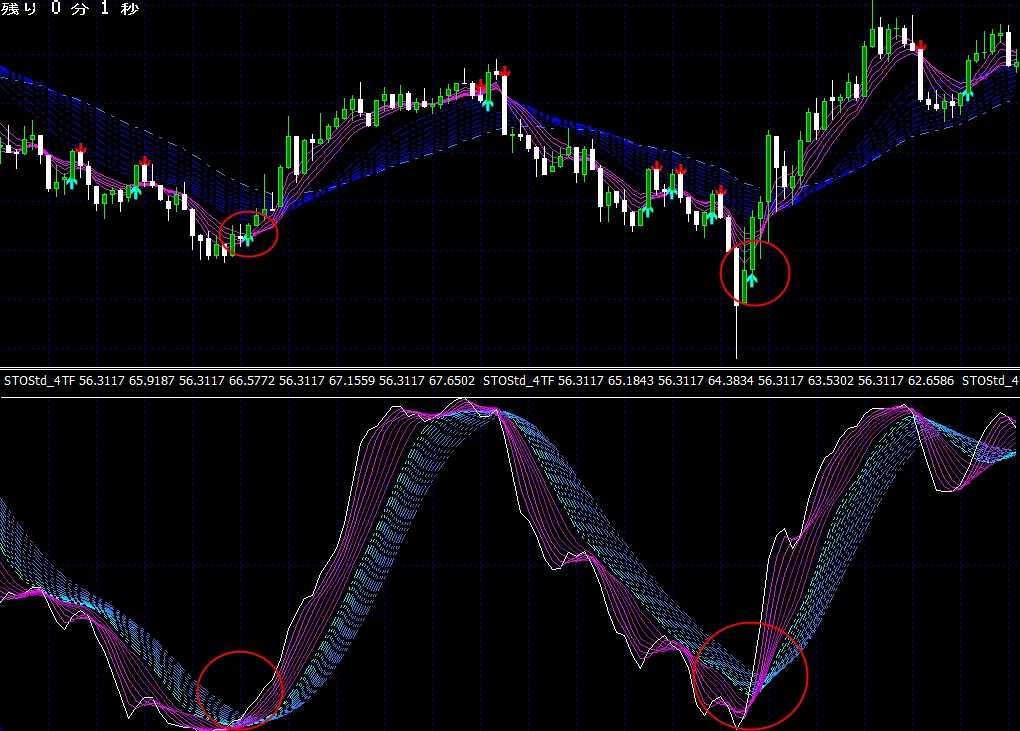
It is not by chance.
Winning shapes share common waveforms.
Ginkan (Ginga) targets only those waveforms.
Example 4Covering/wrapping wave pattern
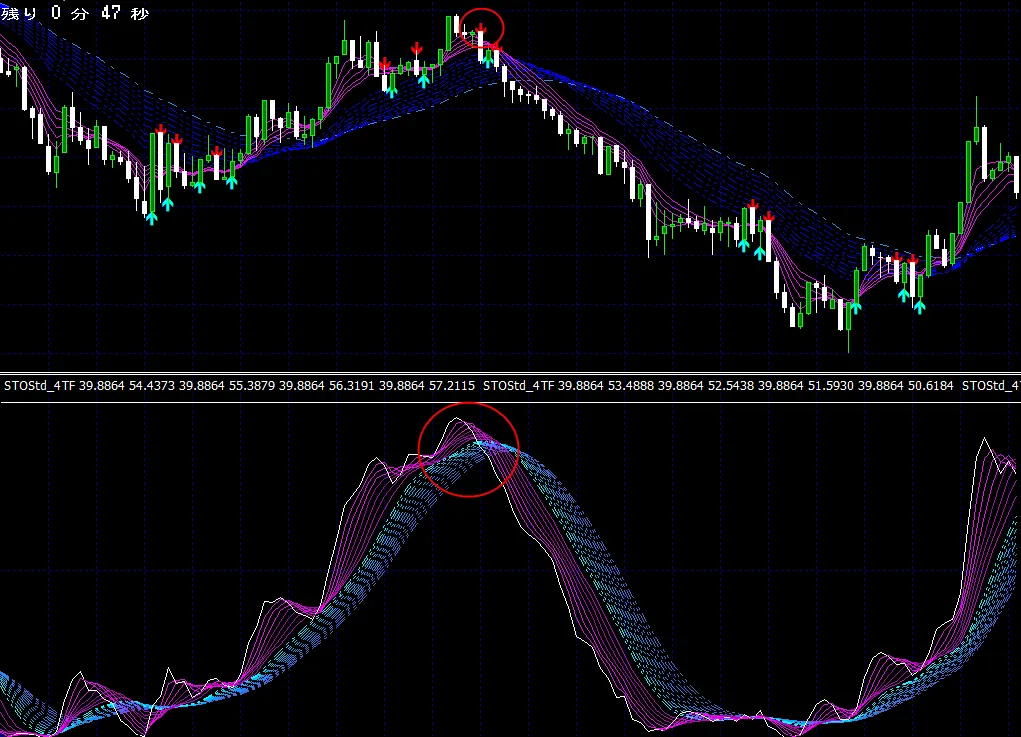
Pink band reverses as if covering the Galaxy Belt from above.
This is a representative selling entry.
Example 5Covering/wrapping wave pattern
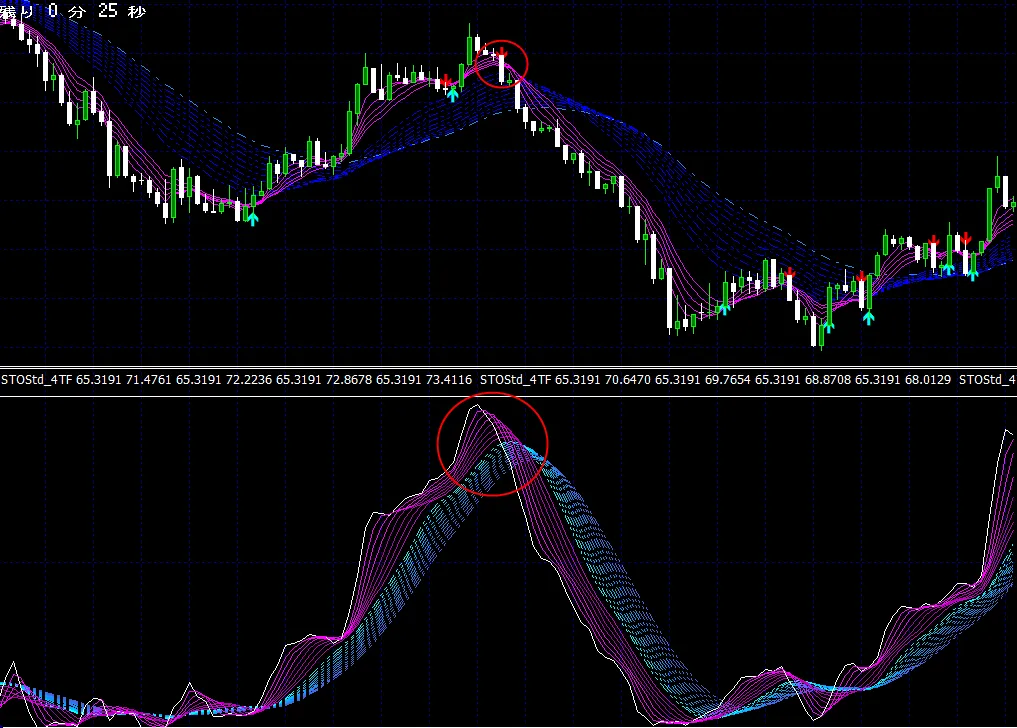
Winning shapes are the same concept for both selling and buying.
Only the direction is different.
Example 6Covering/wrapping wave pattern
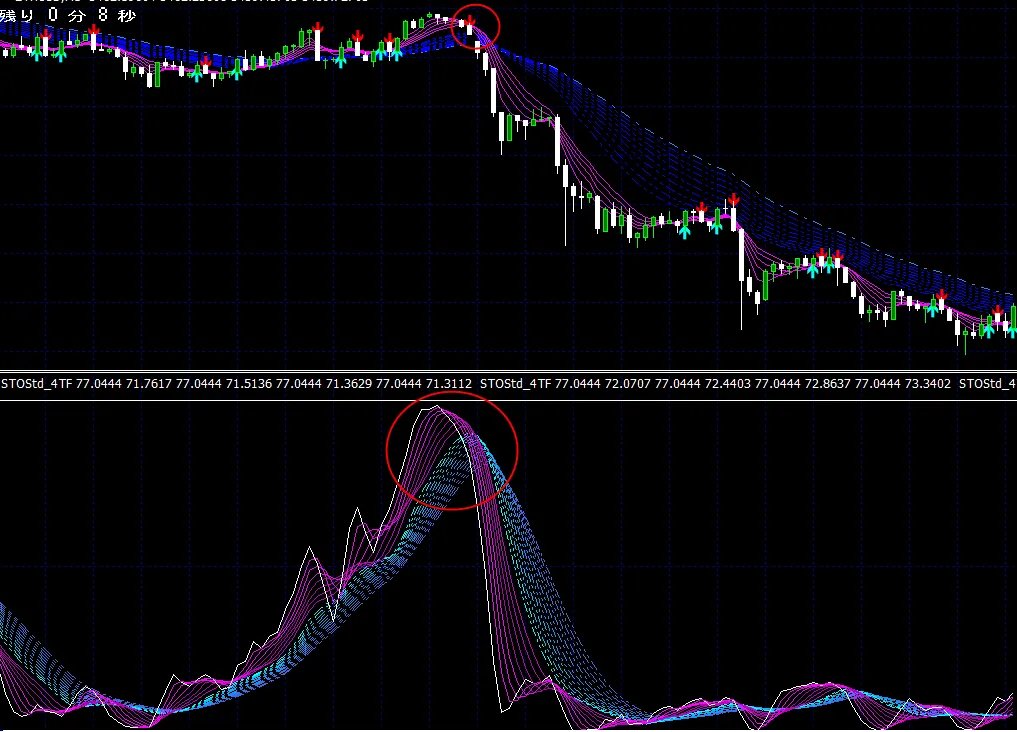
Ginkan (Ginga) does not chase signals.
It waits only for winning shapes.
◆ Winning shapes lead to results.
Ginkan (Ginga) is not a tool to chase signals.
By waiting for the winning shape, it reduces unnecessary entries and, as a result, leads to a high win rate.
As one example, here are trading records in Binary Options (3-minute trades).
26 wins 3 losses (win rate 89.6%)
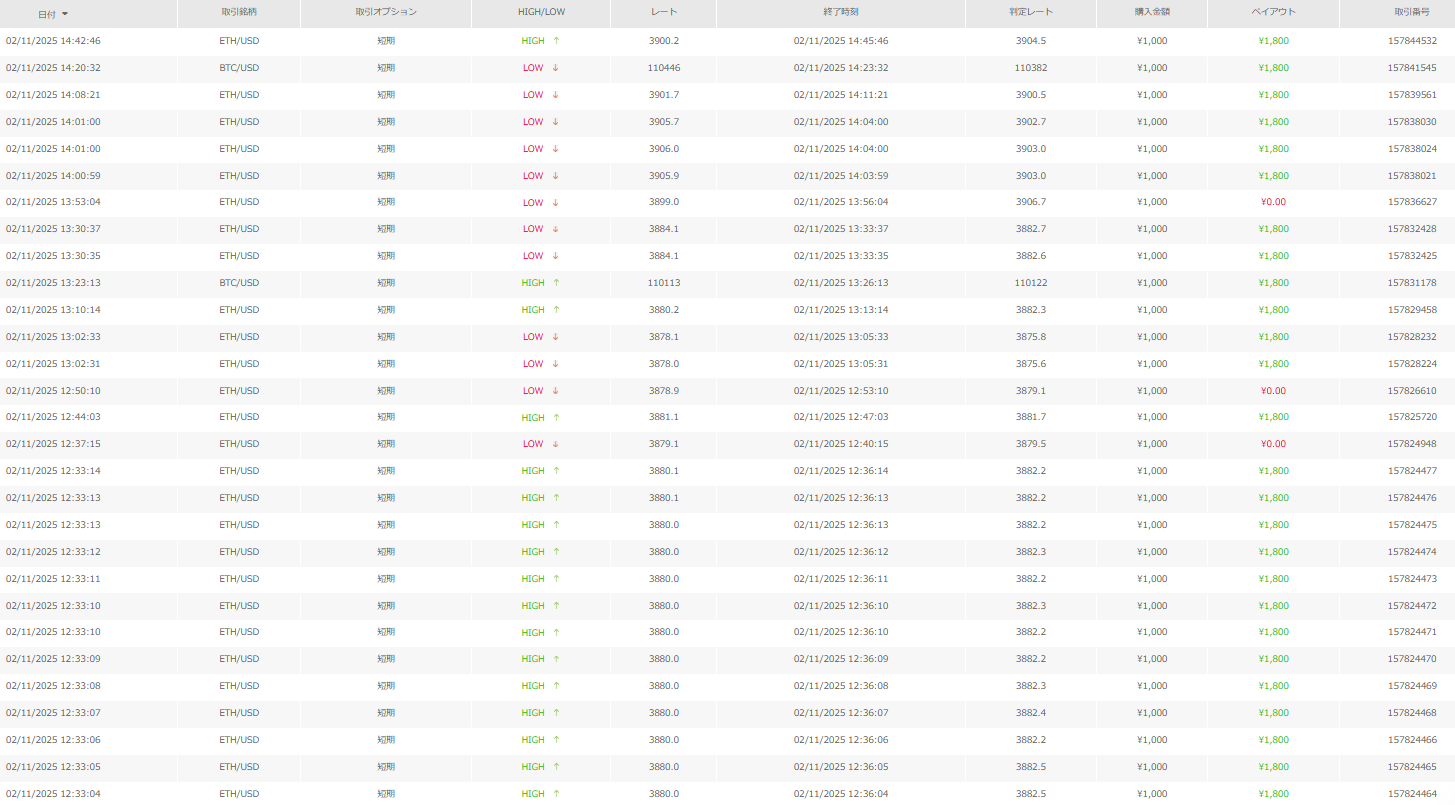
15 wins 1 loss (win rate 93.7%)
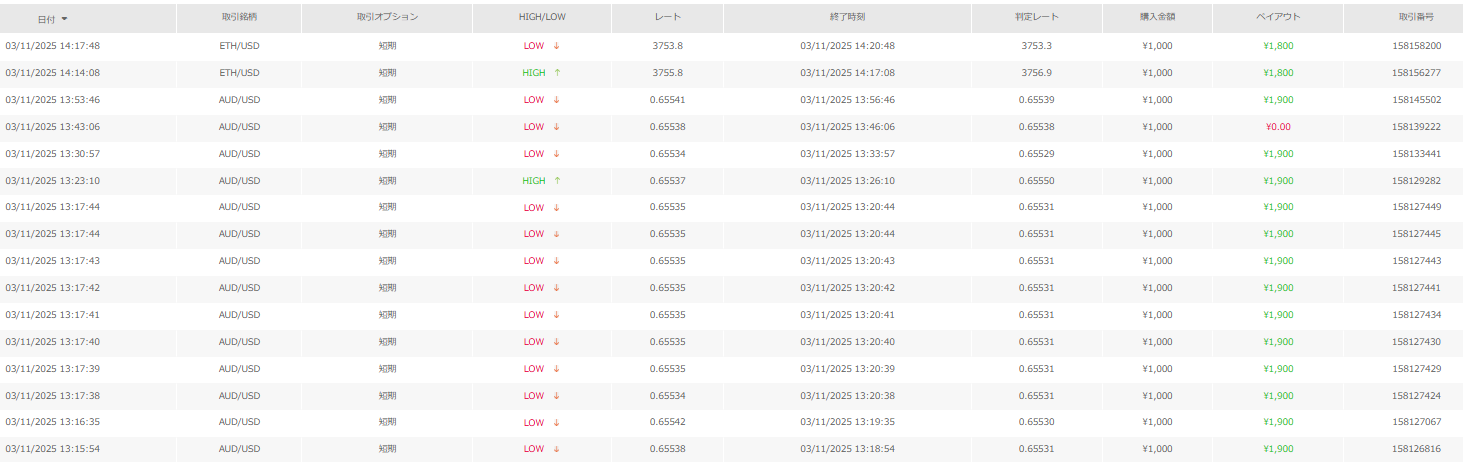
19 wins 3 losses (win rate 86.3%)
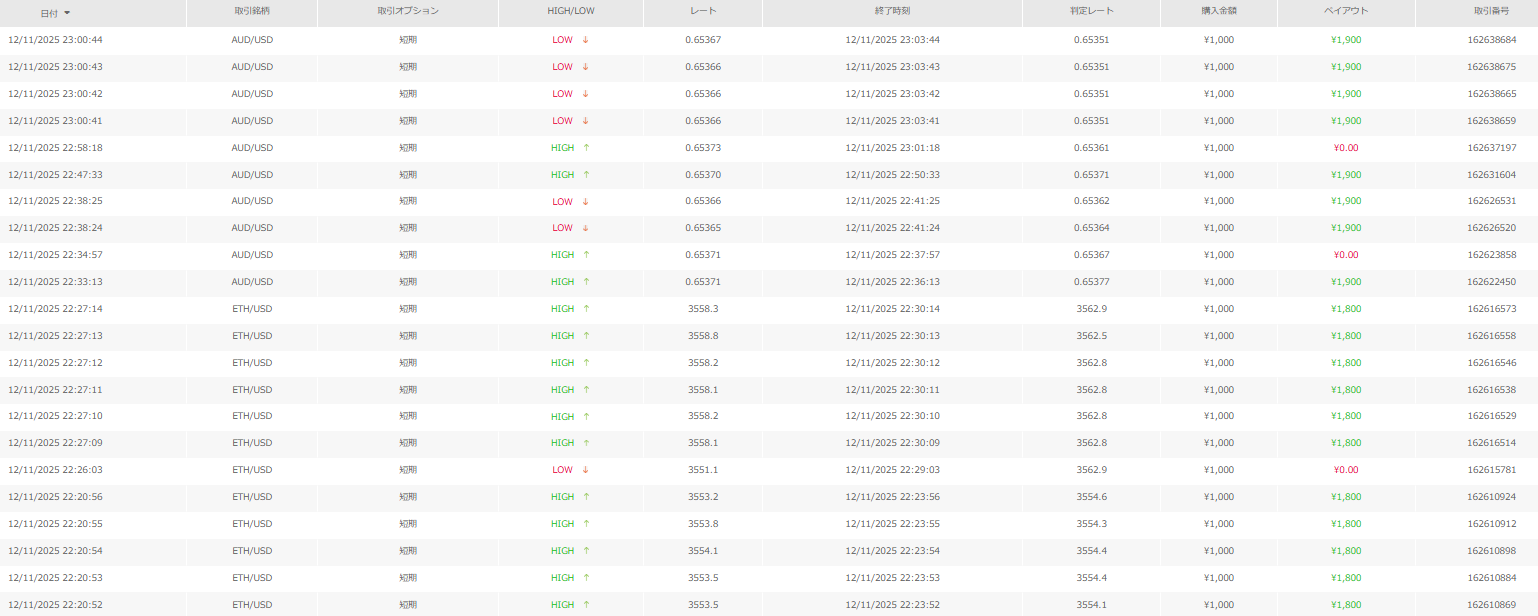
26 wins 4 losses (win rate 86.6%)
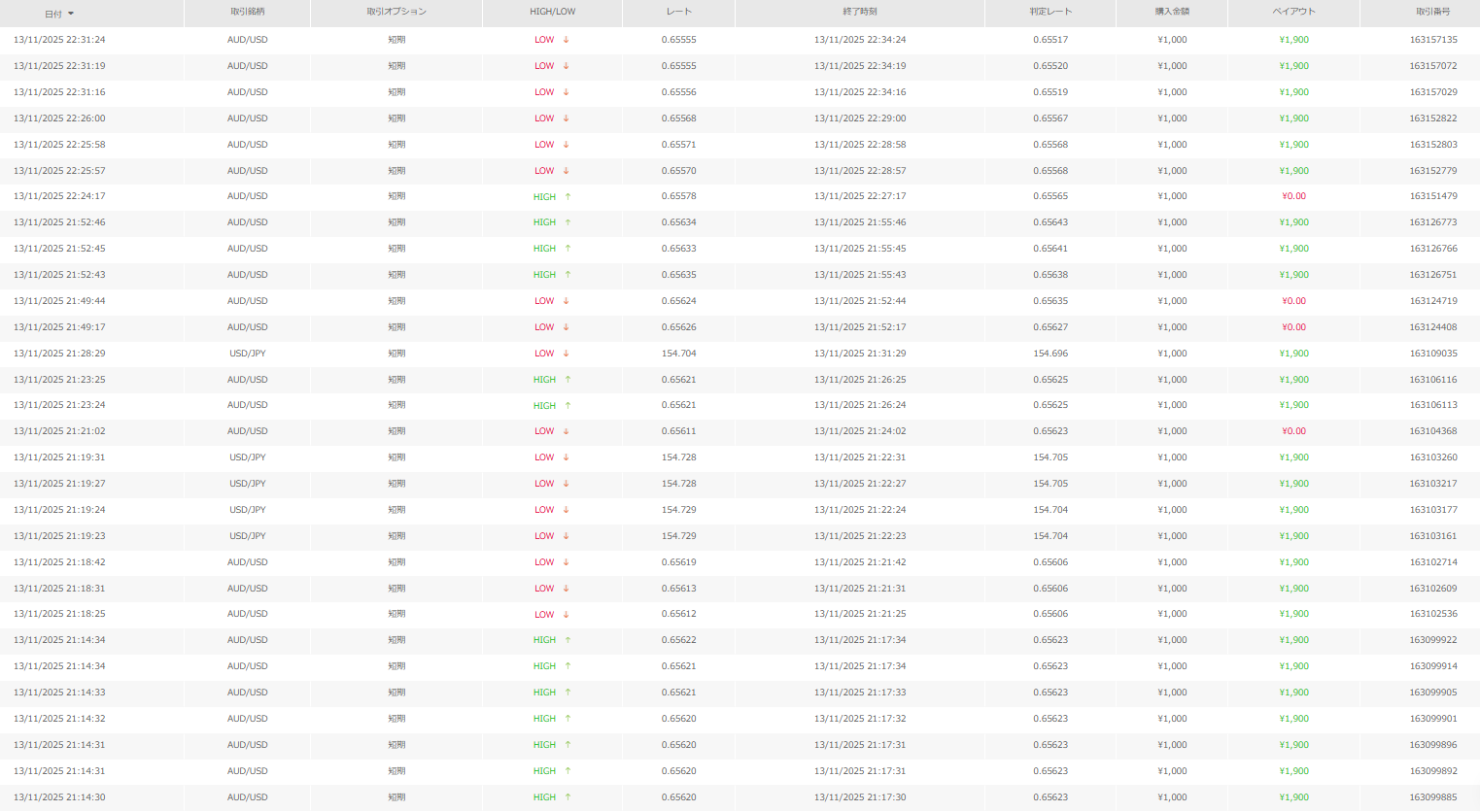
16 wins 2 losses (win rate 88.8%)
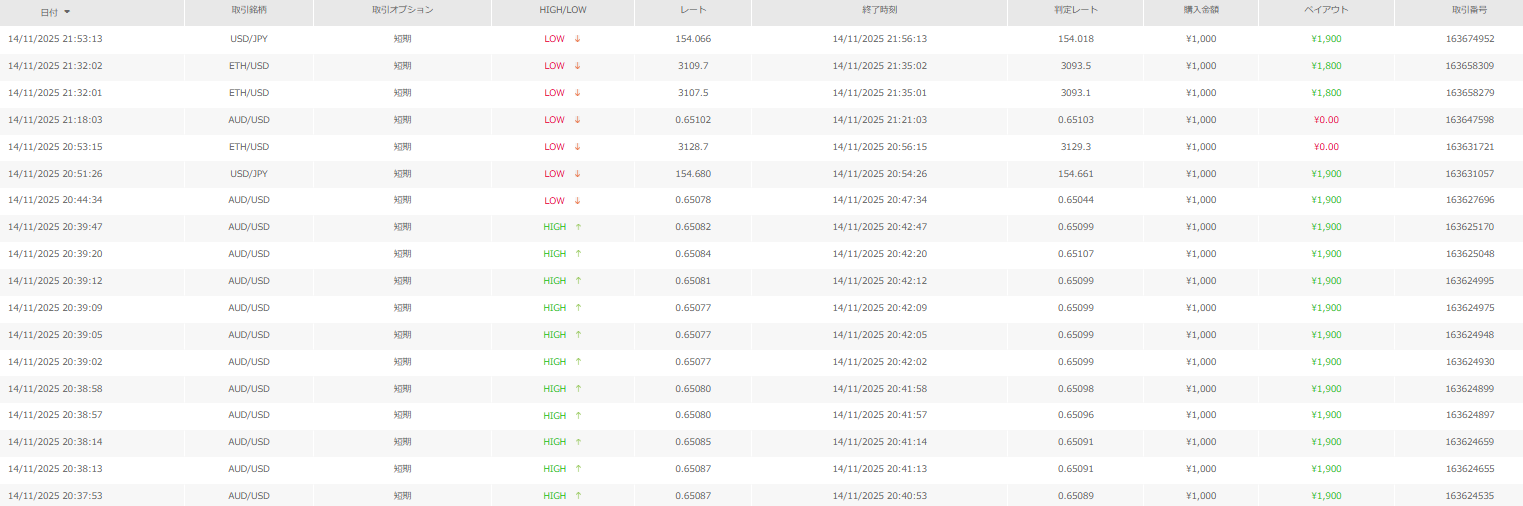
Not signals, but the “winning shape.”
This perspective will change your trading.
◆ Have you ever experienced this?
Chasing signals,
jumping in thinking you’ll win.
If any of this applies to you,
the missing piece was not signals.
It’s the perspective of seeing the “winning shape.”
◆ Message from the developer
Within GogoJungle“Investment Navigator+”wheredaily
“Winning shape”
is published.
◆ Frequently Asked Questions
Q. Which currency pairs are recommended?
A. It can be used with all currency pairs displayed in MT4.
Q. What time frame is recommended?
A. It supports all timeframes from 1-minute to monthly.
Q. Can beginners use it?
A. Yes. It is developed to simplify entry decisions.
Q. Does it repaint?
A. It does not repaint.
☆ The winning shape is only visible to those who wait. ☆