
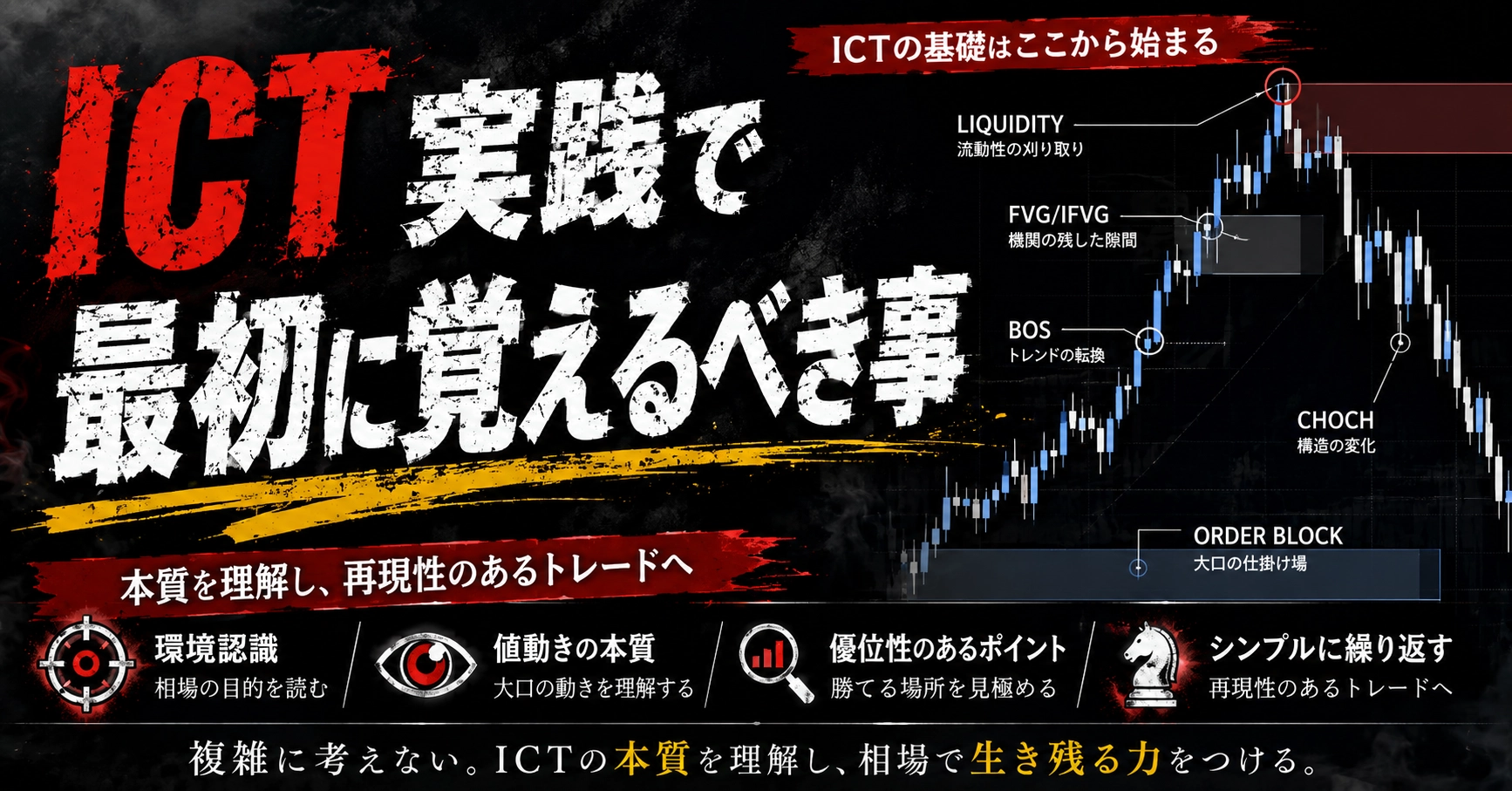
What to Learn First in ICT Practice
Why 90% give up and only you can become the "hunter"
There are mountains of videos to watch — and 9 out of 10 get lost here
The first thing people decide to study ICT is usually the same.
Open YouTube.
Smart Money (SMC), liquidity, order blocks, FVG, kill zones... one after another, playing videos, tracing related videos, and before you know it, it's midnight.
Even though terms line up in your notebook at hand,
...but when you actually open the chart, your hands stop.
That is not your intelligence being lacking.
The entry to ICT is almost all YouTube, and the information is extremely vast.
As you wander through videos, you fall into the so-called "rabbit hole".
The methods themselves are free and openly published, but the sheer volume becomes the first wall.
In other words,
The reason many people fail isnot a lack of knowledge,
but actually... too much informationis the problem.
And what makes it troublesome is that
this "period of being lost" itself becomes your cost.
The funds spent and melted away, the time that won't come back, the gradually dwindling confidence.
Many people exhaust themselves in this sea of information before they reach a way to win.
This article is
a "map" to end that period of getting lost as quickly as possible.
This is not an article that teaches the methods from scratch.
What it does is lay out, in which order to walk through, the free methods and staple patterns that already exist,
so you can avoid the failure by following the right sequence— that is the path we provide.
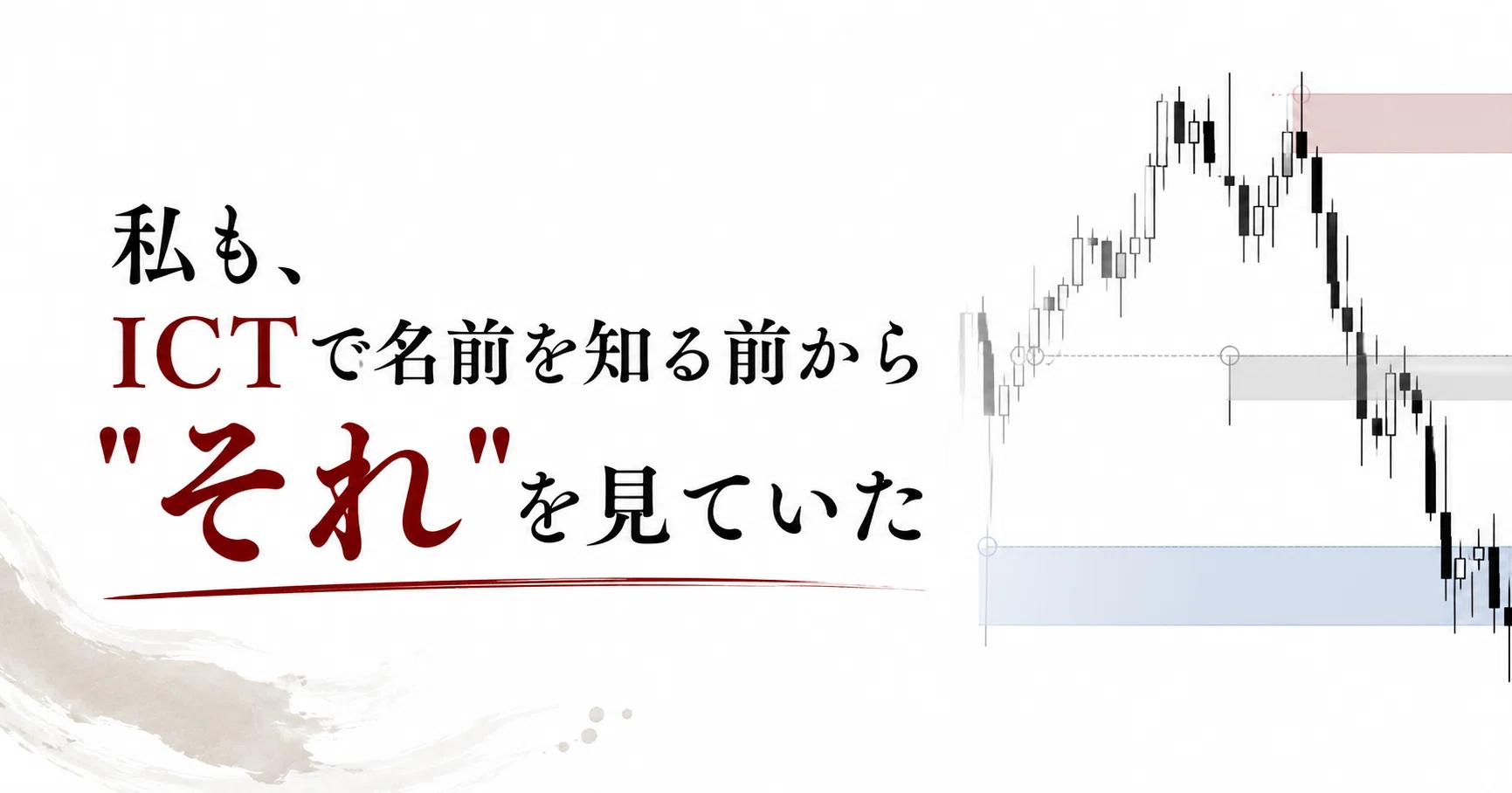
Even before I knew my name, I was watching "that"
First, allow me to tell a little about myself.
I have 20 years in FX. I have traded with discretionary trading for a long time.
Even before knowing the ICT framework, I subconsciously valued a certain bar in the chart.
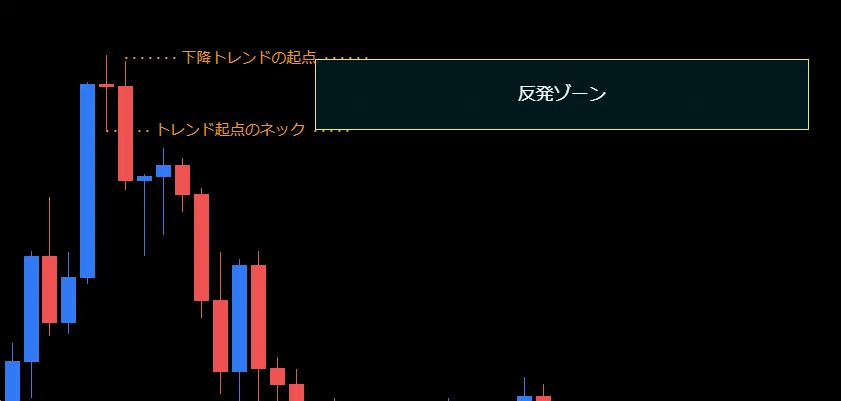
The bar where the trend begins, the starting point of the move.
I used to call it “the neck of the trend's starting point” on my own.
I didn't know its name. I just knew from experience that “this works.”
Later, when I learned ICT, I was surprised.
What I called the “neck of the starting point” was essentially an Order Block (OB) in ICT terms.
The reason I share this is because there is something I want to tell you.
You don’t need to fear ICT terminology.
FVG, IFVG, liquidity... when English abbreviations line up, it can seem hard, but many of them are just names attached to phenomena that have existed in markets for a long time. The essence is encountered before the name.
So, memorizing terms is not the goal.
Understand the meaning rather than the name
and build it up correctly in order.
And here is the good news for you.
What I spent 20 years collecting by taking a long detour, you canreceive in order.
Don’t fear the names; step up one by one. We’ll start from the very first step.

In the past, I was the one being hunted
That said, even after 20 years, it didn’t look like this from the start.
In the discretionary era, I attached great importance to environmental recognition.
When a breakout occurred, I rode the return move. That's the textbook way.
But there were many times when this didn’t go well.
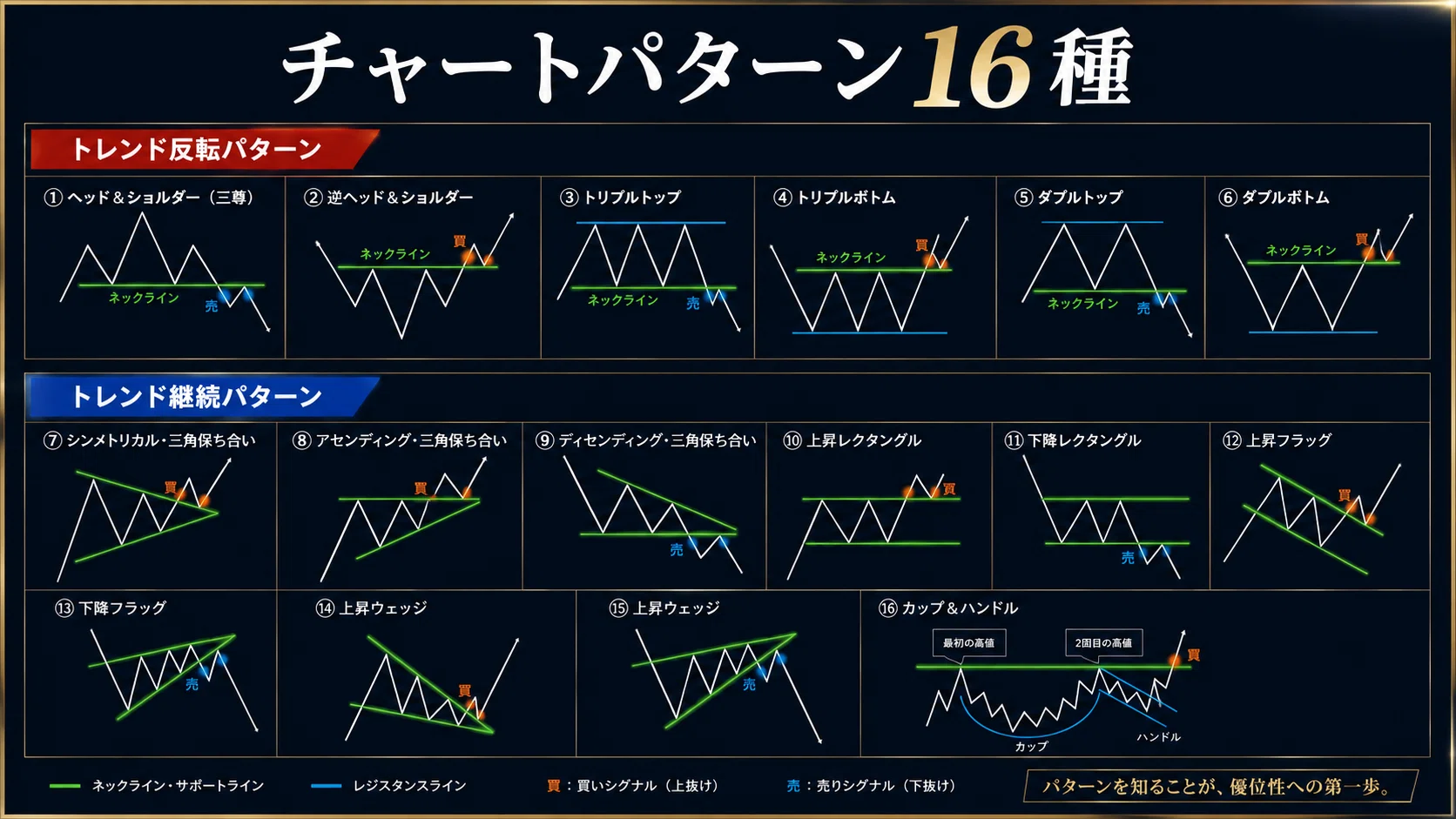
I formed chart patterns, broke out of them, waited for a retrace to enter on price action. But... the price quickly retraced deeper and I got stopped out.
When the neck of a double top was broken, a Dow turning point. A return to the neck and I entered a short, but it retraced deeply and broke a high, stopping me out... In a panic I flipped to buy, but price immediately returned and dumped again.
—Now I understand. I wason the side that got hunted.
Stop orders of those who jumped on breakouts.
Stops of those who bought on higher highs.
Where those accumulate, I learned in [mass psychology] that it’s a place where prices tend to extend, a "chance."
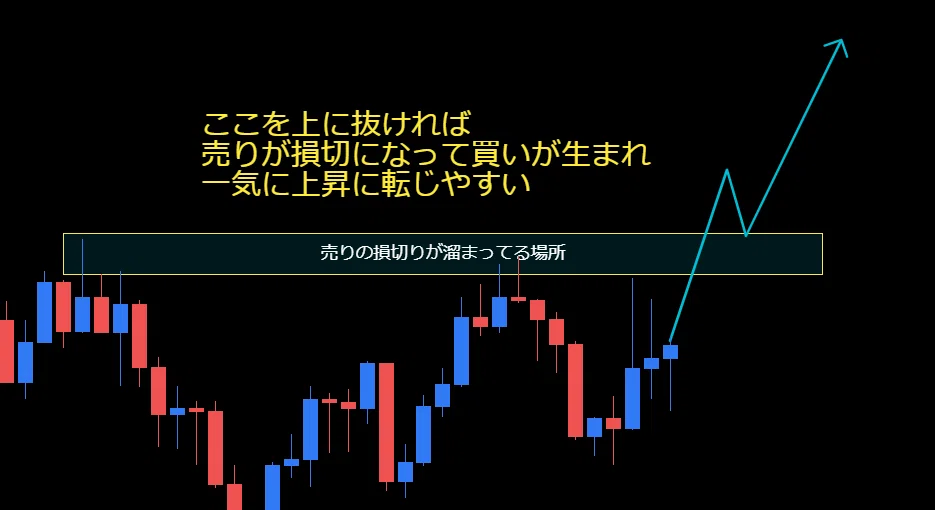
But in reality… that place was a “hunting ground” where big players strip individual traders’ stops.
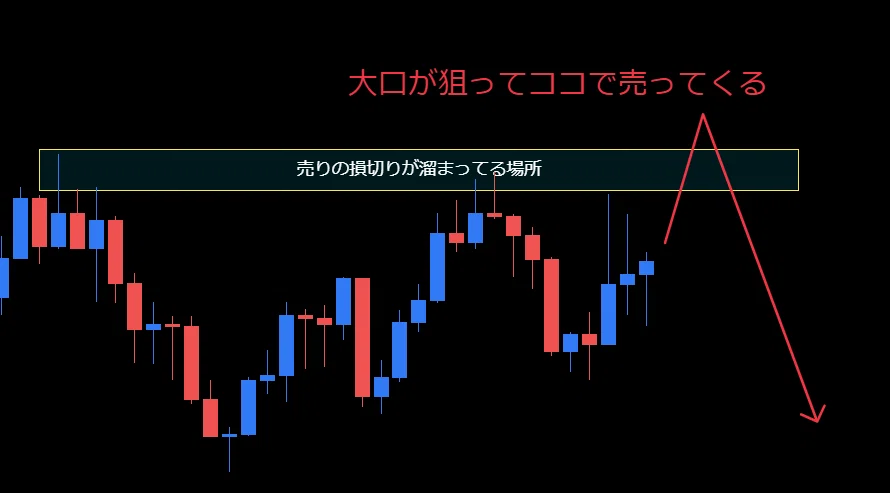
No matter how much you recognize the environment or how faithfully you trade rules,
losses don’t decrease easily.
If you are now repeating
“the direction was right but I got stopped out”
“I entered on a breakout but it immediately reversed”
that is not because your reading is bad.
The priority of where to look has not yet been reorganized.
And that priority can be rearranged.
I, who was hunted, am now on the hunter’s side.
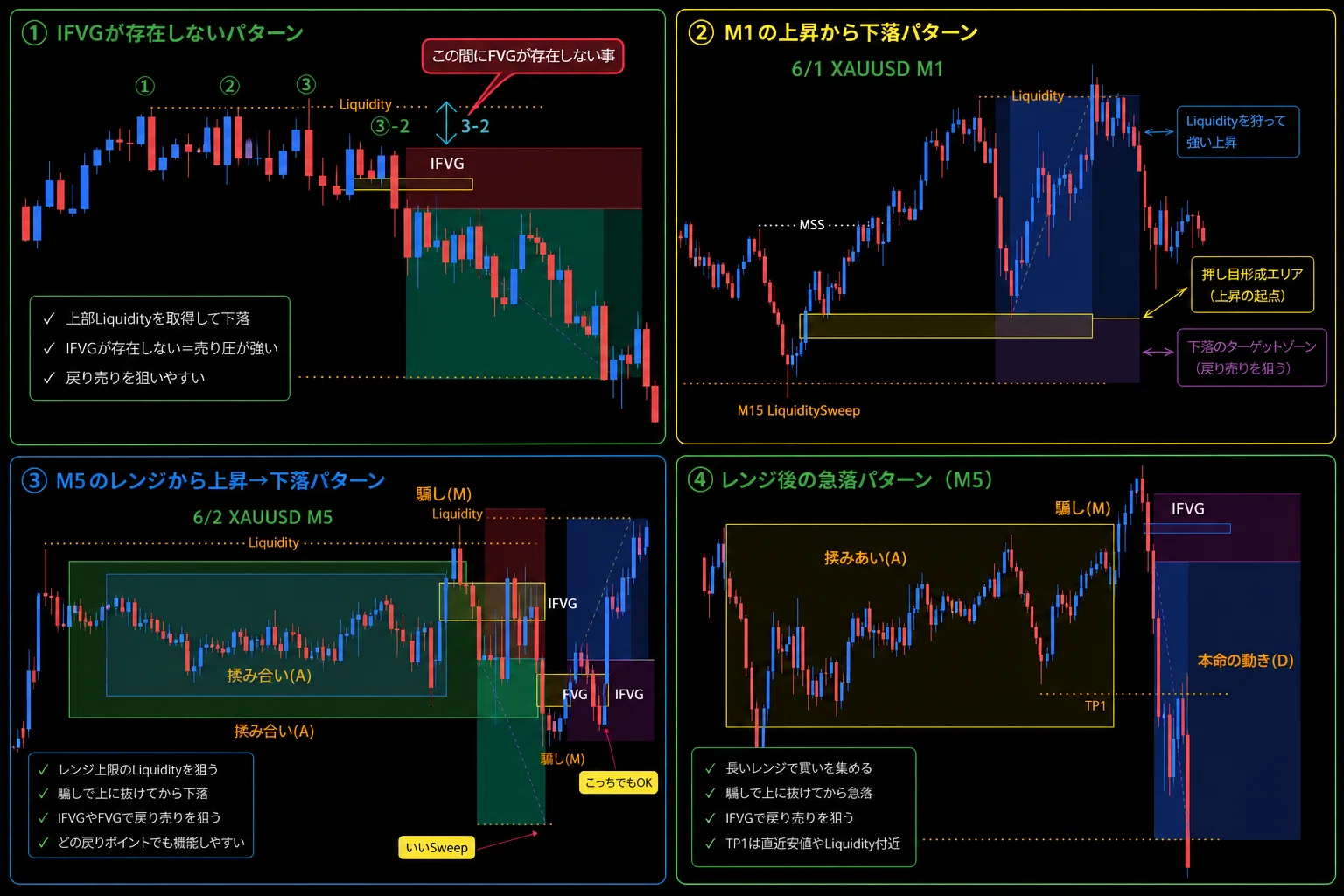
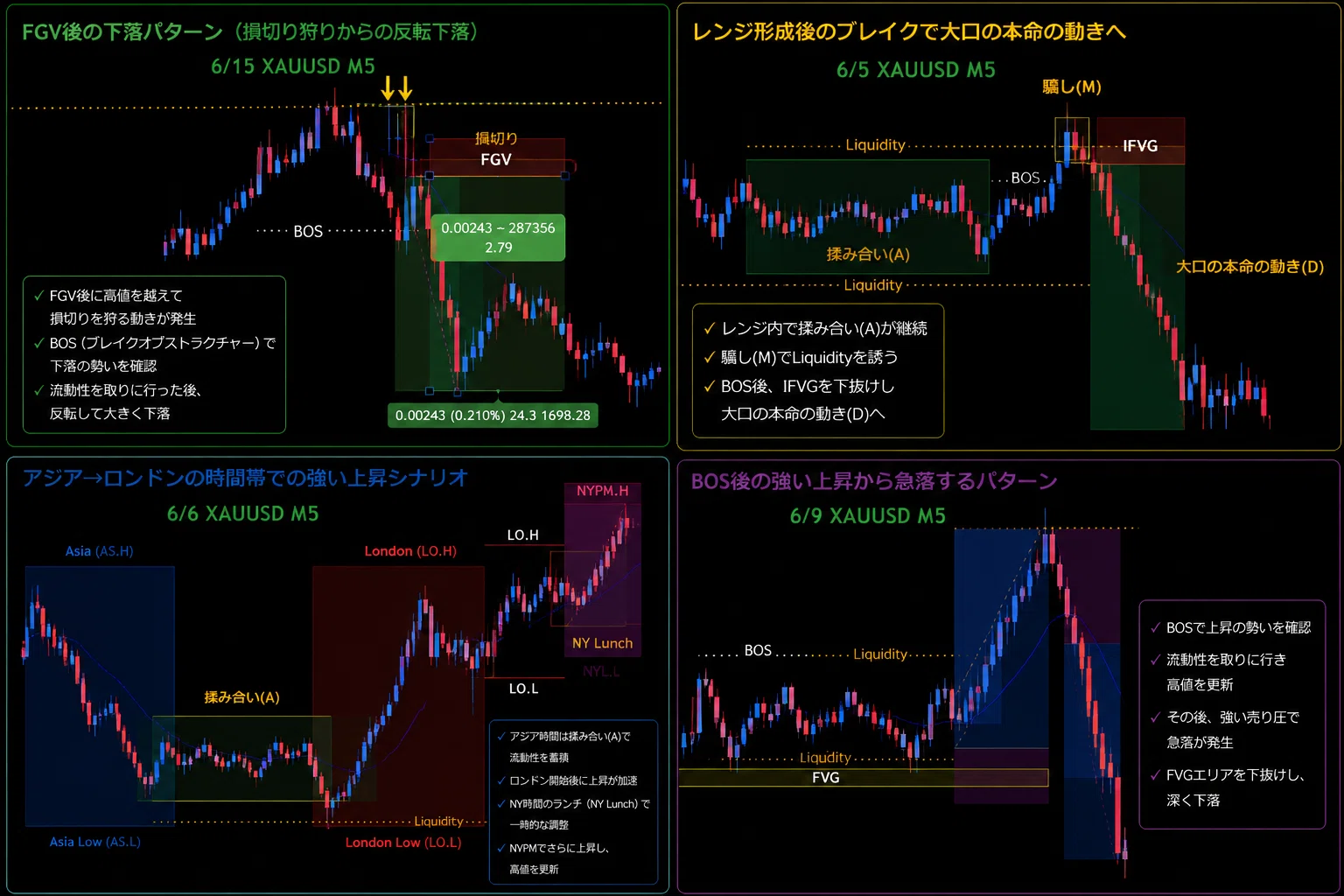
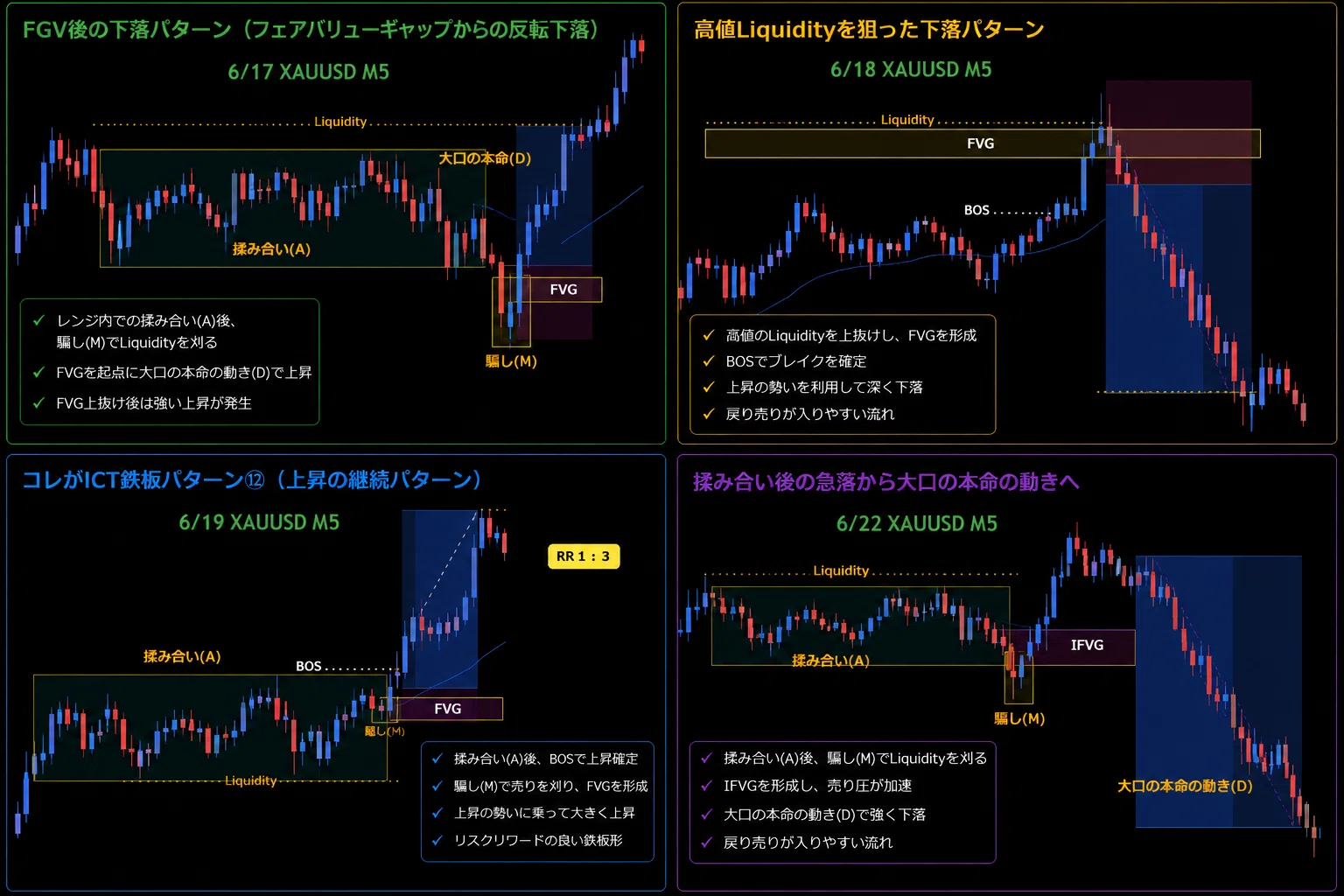
What to swap in what order
— I’ll give you all of that in the second half of this article.
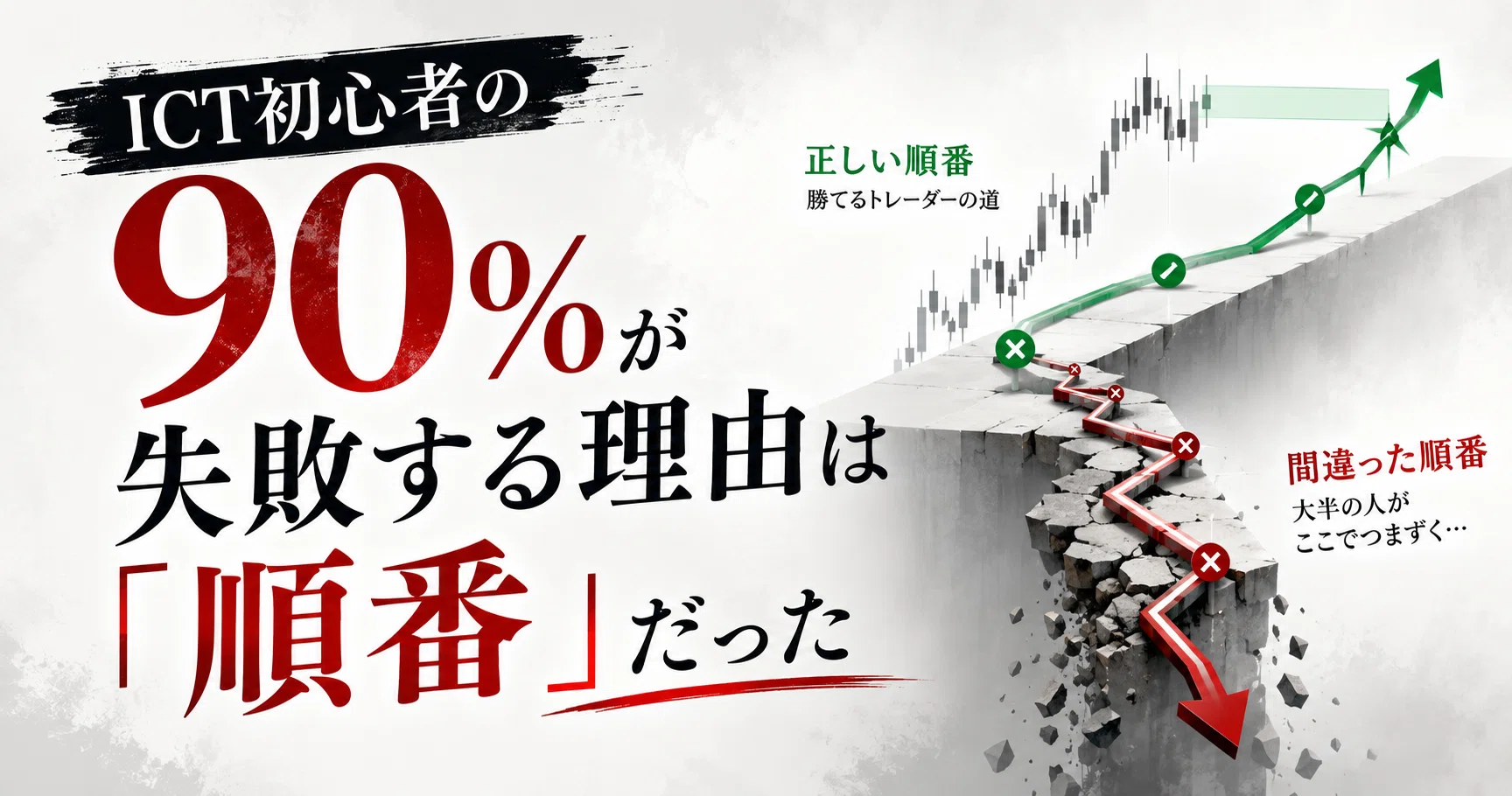
The reason 90% of ICT beginners fail is the "order"
There is a decisive fact in ICT learning.
About 90% of ICT beginners fail because they skip the foundation.
Before firmly setting the market structure as a foundation, they jump to flashy upper strategies like Silver Bullets. This is the classic failure route.
You memorize terms. You know FVG as well. But if you long at 50% of FVG, you reverse on a data release and get stopped out — this “knowing but not being able to use it” situation isn’t caused by lack of knowledge.
It happens because the learning order is reversed.
So, I can boil down what I want to tell you in this article to one thing.
ICT is all about the order you learn. Entering from the back causes 9 out of 10 to give up.
Just as no one builds a house by putting the roof on before laying the foundation.
ICT is the same. On top of the market structure foundation, only then do FVG and OB “fit properly.” A flashy strategy built without the foundation is like a roof that collapses at a light wind.
If what you have built so far is crumbling, it wasn’t talent, it was the order.
This is not a matter of strategy, but a matter ofthe path.

There is no shortcut. But there is a shortest path
To be honest.
There is no shortcut in ICT. Be wary of information sources that promise you’ll win from tomorrow if you just buy this.
Practically, it makes sense to spend 6–12 months on a demo before risking real money.
Many traders immediately put real money into the market after “getting the method,” but that is just a big detour.
Because the less capital you have, the harder it is to profit and the harder your mindset is to win.
What often happens is you keep using real money and
when you finally gain a usable skill, you have no capital left,
you feel you “want to win” and “need money,”
and your mindset quickly loses and you can't win for days.
You actually could win, but you stop.
That happens when you have no funds.
Many people exit here while still unable to win.
I myself still feel that my skills and learning are not finished.
Learning continues even now.
— but.
Even if there is no shortcut,there is a shortest path.
One is the “correct route to build the foundation” I mentioned in the first half of this article.Do not take the long way around.
And there is another weapon unique to today's era.
AI.
In the past, analyzing your own trades to find weaknesses took enormous effort. Now, AI analyzes your performance data and optimizes it for you.
In other words,
the shortest path is—build the foundation with the correct route, accumulate your performance data there, and have AI craft a personal strategy for you.
From here, I’ll share the concrete content of that.
Two maps I used to escape being on the hunted side.
Map 1: the “route” map common to everyone
Map 2: your own personalized map
These two maps are what I earned after 20 years of detours and a substantial balance in my accounts. You don’t need to pay the same tuition.Read them in order from the top, and I’ve designed them to let you skip the entire period of getting lost.
This is written for people like this
— ICT terminology has been heard but can’t be used in practice,
people who watch videos and end up thinking, “so what do I do first?”
and those with discretionary experience who still don’t quite fit ICT.
If any one of these applies, what follows will work for you.
Now, I will hand you that map.