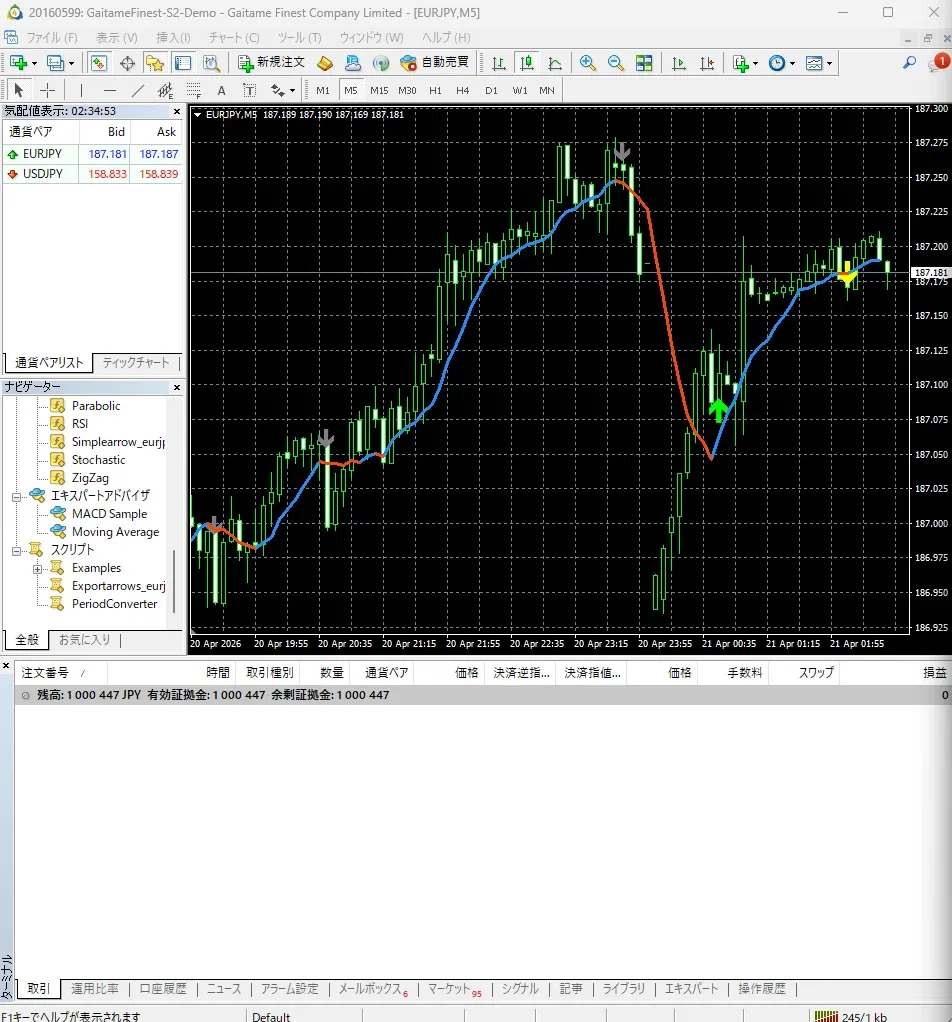

[Technical Report] "MT4 is heavy" is laziness. Separation of observation environments and minimalism by process design
■ Introduction: Not a tool trouble but a "design flaw"
“MT4 is heavy and won’t run.” When confronted with this, many blame the PC specs or software glitches. However, from the perspective of a process design engineer, this is not merely trouble. It is a clear “breakdown of the development environment.”
In an environment that observes the highly uncertain market and executes a logic of tight take-profit and stop-loss of 5–8 pips (risk-reward 1:1), platform rendering delays or freezes are fatal. A few milliseconds of delay produce slippage that can easily crush even a slight edge. Those who cannot physically and technically control their environment cannot control the market. This article defines MT4 environment construction techniques that thoroughly strip away unnecessary load.
■ 1. The 'sin' of gigantic historical data
The biggest cause of MT4 becoming heavy is very simple: it holds too much noise of “past data” in the real-time environment.
With default settings, aren’t you running decades of historical data, tens of thousands of bars, and countless high-load indicators? In the front-end execution environment that “observes” current price movements, there is absolutely no need to continuously render data from ten years ago. Historical verification should be done in an independent backtesting environment such as Python. Real-time observation resources should be concentrated entirely on processing the ticks occurring right now.