
Lesson from the Money Plan: "〇〇〇〇〇 Method"
“Assets should be diversified” is a lesson in the world of investing, but why is there risk... Let's talk about a recent case.
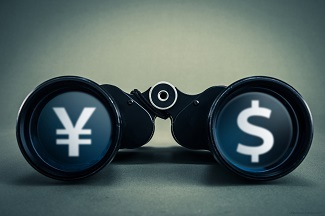
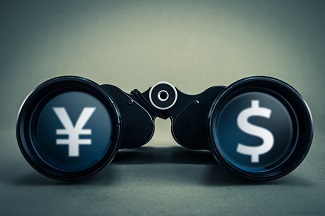
Even when grouping under “money,” holding in Japanese yen or in U.S. dollars has created a big difference over the past few years.
Before Abenomics, the yen was in the 80s per dollar, but now it hovers around the 110 range. If you had simply kept 8 million yen converted to dollars, it would be 11 million yen, making a difference of 3 million yen. If you had kept ordinary bank deposits, it would feel hollow to calculate how much you’d have gained.
On the other hand, what would have happened if you bought stocks? Depending on the picks, thanks to the national policy under the mother country’s banner, they generally rose, needless to say. Of course, if the markets had moved in the opposite direction, those who stubbornly held Japanese yen from the start would have been the winners, but that’s all just what-if talk... The important thing is that even professionals cannot read it accurately.
In reality, globally, in countries where the domestic currency is extremely unstable, it is safer to keep savings in other currencies. Currently, Japan is one of the world's leading economies, so it’s hard to imagine, but in the future, what bad scenarios could befall the yen, and over decades, how its value might change is unknown to everyone.
We cannot deny the possibility of a shock like a “XX shock,” and if inflation continues, the value of the yen will certainly erode. Therefore, the financial planning lesson that has been taught is the theory known as the Three-Asset Portfolio. It suggests diversifying into three assets with different characteristics to hedge against uncertainty.
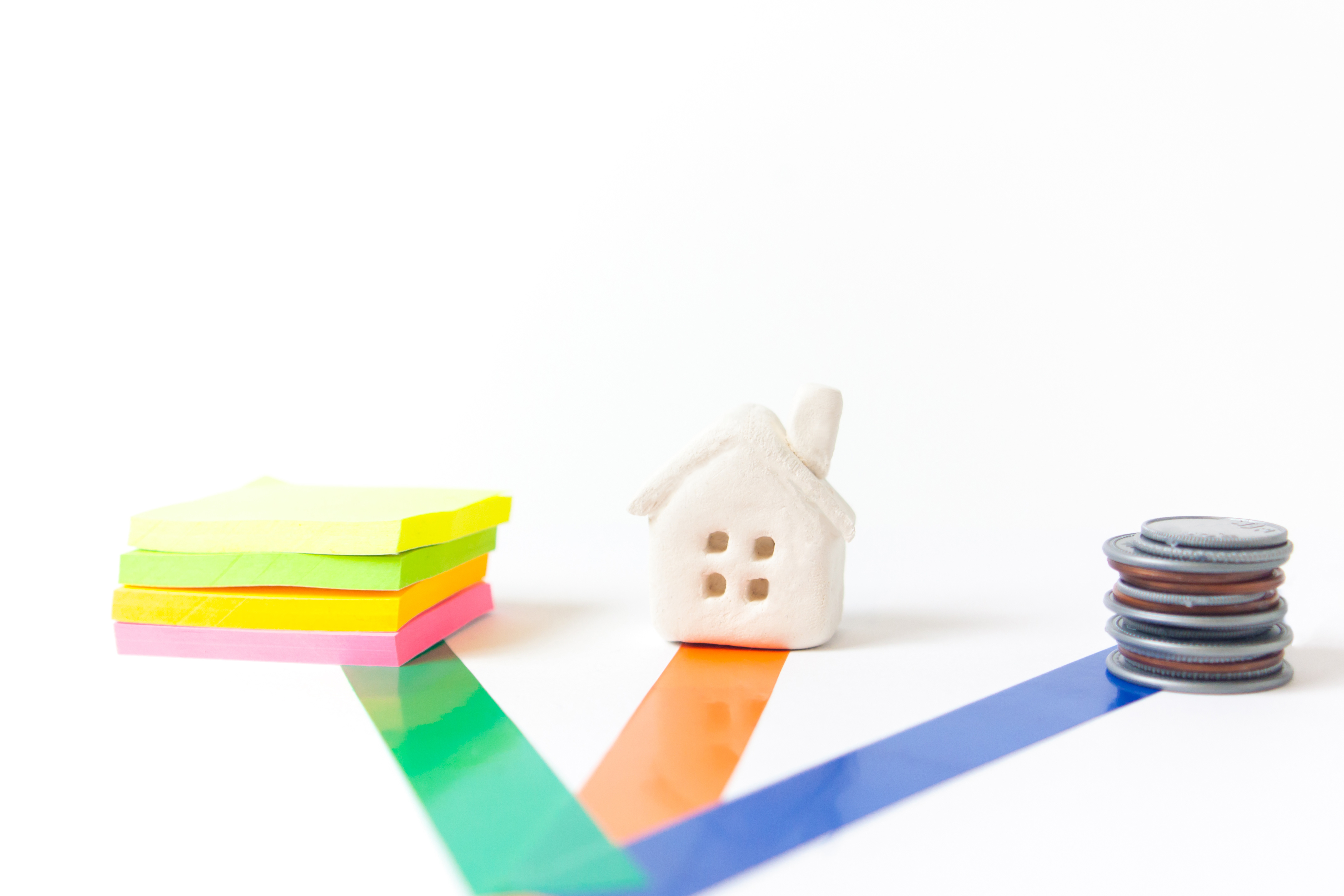
Generally, these are “cash,” “stocks,” and “land.” The reason these three are cited is for a balance against inflation and deflation. In a deflationary economy, prices fall and cash gains value. In an inflationary economy, prices rise and the values of stocks and land rise.
By offsetting the merits and demerits of each, you can prevent an overall decline in asset value due to economic trends. However, while dividing into three is best, acquiring land seems to have a high hurdle?! Sweat
Land that you can buy with your spare cash—where is that, in some remote mountains... And you don’t even know if the land you bought will sell. It’s not like you can sell it at any time. Furthermore, if it doesn’t sell for a long time, taxes will accrue.
On the other hand, with stocks there are many you can buy with spare cash, and you can sell almost whenever you want. Even if you hold without selling for a long time, some stocks pay dividends or shareholder incentives regularly. Considering those risks from multiple angles, the remaining option by elimination is “stocks” with a laugh.
Now, let’s get enthusiastic about stocks!
P.S.
From May, a new era will begin. With the celebratory mood for the new era, the stock market should pick up after the holidays. Therefore, starting today, for a limited period, we are recruiting new members for the “Stock Prosperity Association.” (・∀・)!
I’ll email you again around lunchtime. Please check the details there.
↓↓ Free registration here ↓↓
FPO Official [FX / Stock Investment Support Newsletter]
※ 169,582 readers (as of April 2019)