

Ask岡ちゃんマン about fundamentals analysis methodology and starting guide
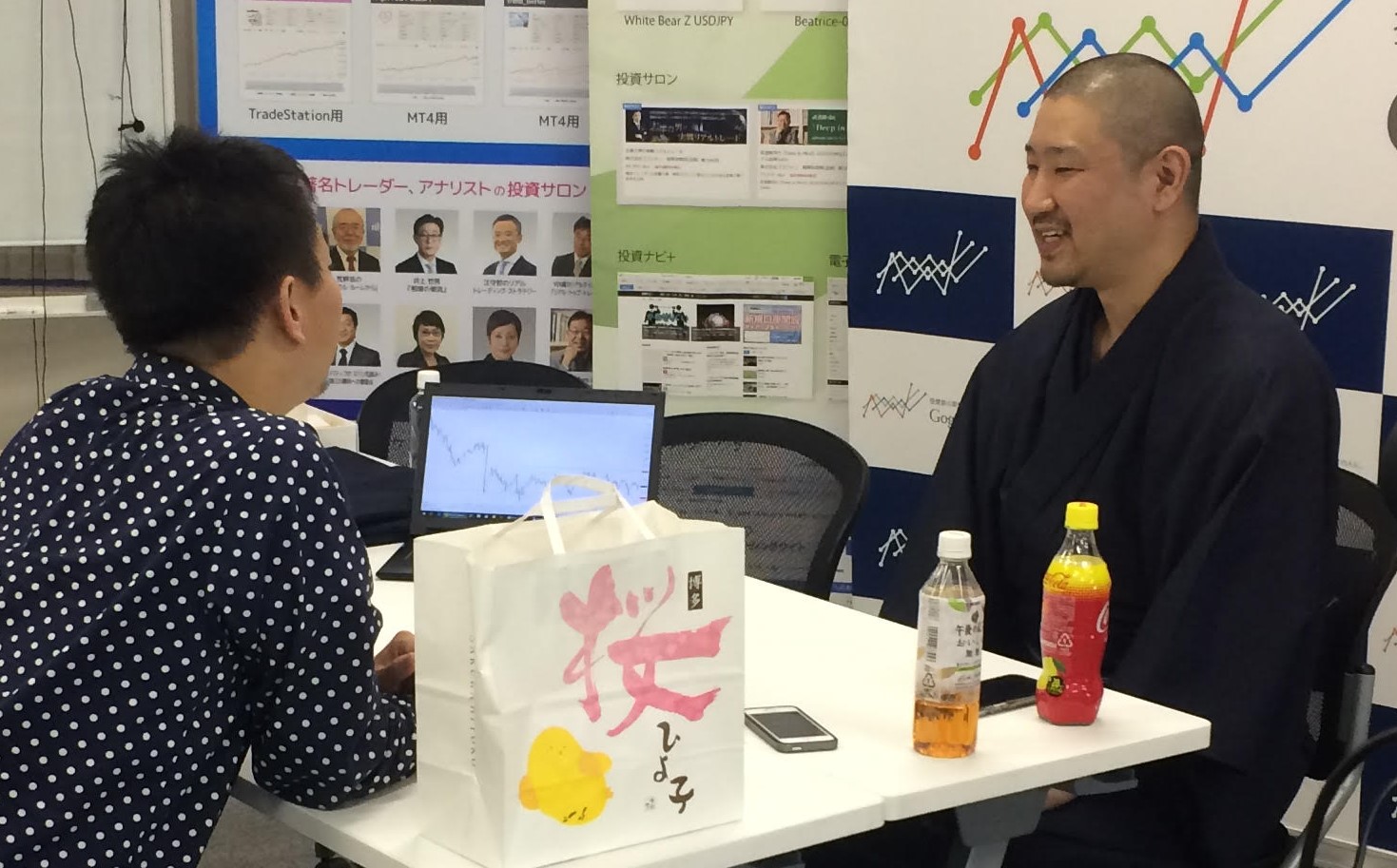
In this project, the FX攻略.com editorial team will ask Mr. Oka-chan-man for his own method of fundamentals analysis and advice for beginners just starting out.
Thinking About Causes From Price Movements
ShikanaiFirst, about fundamentals analysis, what is the best way to gather information?
Oka-chan-man (hereafter, Oka)Is this something you would recommend to others? Or is this the method I am currently using to gather information?
ShikanaiPlease start with your own method first.
OkaBasically, I check prices of iron ore and various commodities as data, and monitor price movements of various things on a daily basis. I look at commodities and stock prices, along with related interest rates and bonds for major countries and emerging markets as data. Separately, I read news sites like Reuters and Bloomberg and Nikkei for about an hour every morning. Gathering information from those sources is the first step. After that, I read reports from analysts at various FX and securities companies.
ShikanaiThat’s a lot of information. In what form do you view it?
OkaBasically, once a day is enough. So I take about two hours in the morning to collect product price data and read news. I also read on my phone during commuting and waiting times.
ShikanaiYou don’t display everything all the time, do you? When you mentioned products, for example, do you consider from experience what would happen if CFDs or bonds move in a certain way?
OkaThere are many correlations. For example, there’s a strong correlation between crude oil prices and the Canadian dollar, and recently it’s often said that U.S. Treasury yields 10-year and 3-month have inverted, among other things. But the most important is to look for moments when sharp changes occur. When prices usually don’t move much but suddenly surge or plunge, there may be some news hidden there. If the drop is caused by crude oil prices, there may be news such as the U.S. dealing with Saudi Arabia. I look there because there is information to be found.
ShikanaiIn fundamentals, I imagine gathering news and judging if price movements will occur in the future. But is it more about price fluctuations first, and then thinking about fundamentals?
OkaYes. I don’t think it’s possible to track every single news item around the world. So I look for whether problems are brewing somewhere from price movements. If I pinpoint something happening there, I focus on gathering information about that area.
The Entry Point of Fundamentals Analysis Is “Analyzing the Analyzers”
ShikanaiWhat I just described is what you usually do, but for someone starting now, it would be difficult to cover everything. Where should they start?
OkaFundamentals are indeed hard to enter. Many people give up because they don’t know what to do at the first entry. My most recommended approach is to analyze the analysts—analyzing the people who perform the analysis.
ShikanaiAnalyze analysts?
OkaYes. For example, famous analysts or bloggers. The reports from securities firms are very complicated. For someone about to start fundamentals analysis, reading those and understanding them is difficult. Find analysts who break things down clearly and explain them in an accessible way, and think, “Oh, this person is good.” Compare different writers on the same information to see which approach is better, and start there.
If you find someone you like, imitate their thinking and what they do, and then forecast together with them. That’s a good starting point.
ShikanaiSo start by analyzing people.
OkaThere are many people who do the analysis. Find someone whose approach suits you from among those who analyze.
ShikanaiAs a basic methodology, many people think fundamentals analysis isn’t necessary; how do you interpret that?
OkaOf course, technical analysis alone can be profitable. But in the long run, monetary policy and fundamental trends tend to influence markets. So if you’re doing long-term trading, it’s essential to include fundamentals at least to some extent.
Another point is that it becomes easier to predict the future. For example, you can’t know next what happens from charts alone. Fundamentals let you anticipate by knowing when monetary policy or events will occur, and you can imagine scenarios that aren’t covered by past data.
ShikanaiFor short-term traders, it’s also beneficial to study fundamentals to some extent.
OkaEven 10% of that knowledge helps. You should at least know what the current UK situation is about.
Even Just Scheduling Fundamentals Analysis
ShikanaiFor those who struggle, besides starting with the analysts, is there anything else you should begin with at the entry point?
OkaSchedule management is important. For example, be aware of frequently moving economic indicators or influential figures, and whether you will look at them or avoid them, because even for short-term traders, you need to plan how to respond when movements occur. Just managing the schedule, I consider that fundamentals as well.
ShikanaiSo there are many things you can do besides reading difficult news.
OkaEven if you don’t understand the content, everyone says “there is a jobs report,” right?
ShikanaiIndeed, we say that even if we don’t understand it well.
OkaPeople say to avoid trading during jobs reports, but in reality, jobs reports don’t move markets as much as they used to. Recently, indicators like the Consumer Price Index move markets, and in Europe, manufacturing data from Germany moves a lot. It’s good to study the points where movement tends to occur.
ShikanaiSo it’s okay to say, “Today this happened, and at this time it moved like this.”
OkaOr if you’re trading and it suddenly moves, and you wonder what happened, knowing which indicator caused it will help you avoid mistakes next time and you can start researching from there.
ShikanaiIf you have any indicators that you must look at, please tell us.
OkaWhat you must not miss is monetary policy announcements. For example, the U.S. FOMC, the European ECB, the U.K. BOE. Next, I think inflation data. Recently, PMI data—surveys asking if businesspeople think the economy will improve—has started moving a lot in Europe.
ShikanaiThe trend is different, isn’t it?
OkaThis changes gradually. If you look at company indicator calendars, the stars and letters that mark importance shift a bit. Compare them to see which are more important.
ShikanaiYou also check whether they are properly updated. Thank you very much.



Is it OK?