

[Free] Is “Stop loss is important” correct or not?
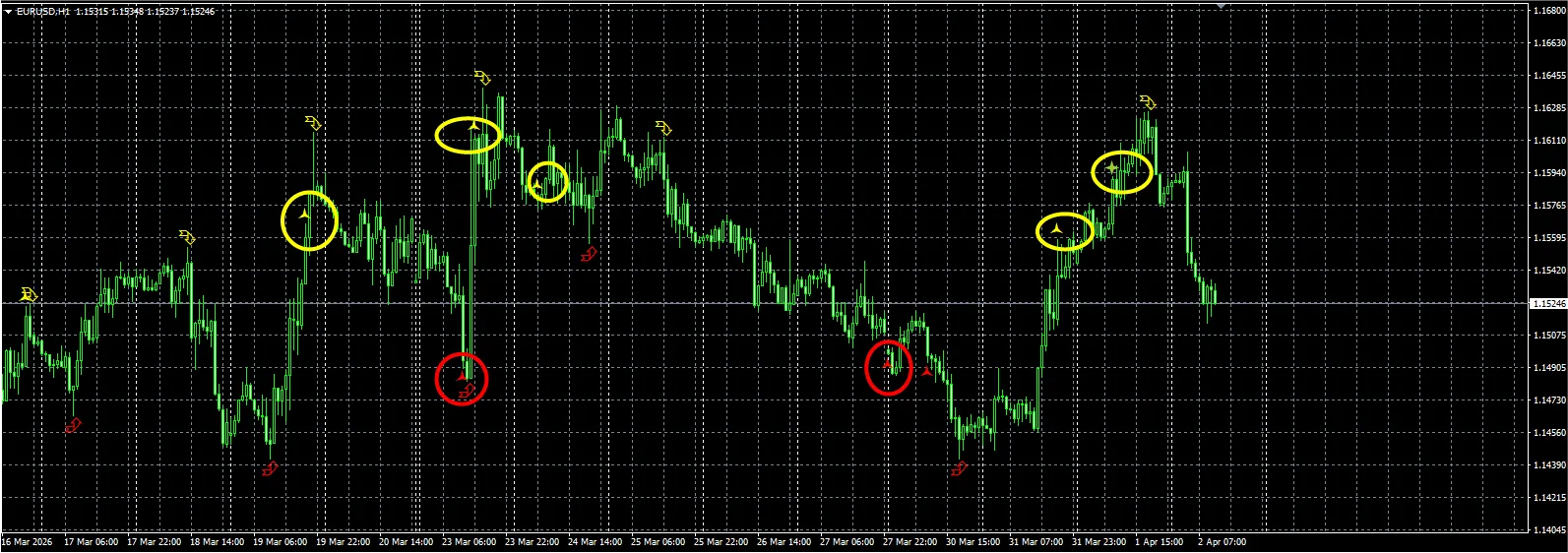
First, this is the real-time EURUSD 15-minute chart.
Both buying and selling are working well!
All鬼速AI users should currently be profiting from short positions.
I held 1 Lot on a triangle pattern star, 2 Lots on a quadrilateral star, with 3 Lots around an average entry rate of 1.15800.
Currently at 1.15246, so
3 Lot × 55 pips × 150 yen per pip = an unrealized gain of 247,500 yen, right?
※ While writing, it has fallen to 1.15160.
We have received many messages and DMs titled “Thank you” or “Report.”
However, there was one particular inquiry...
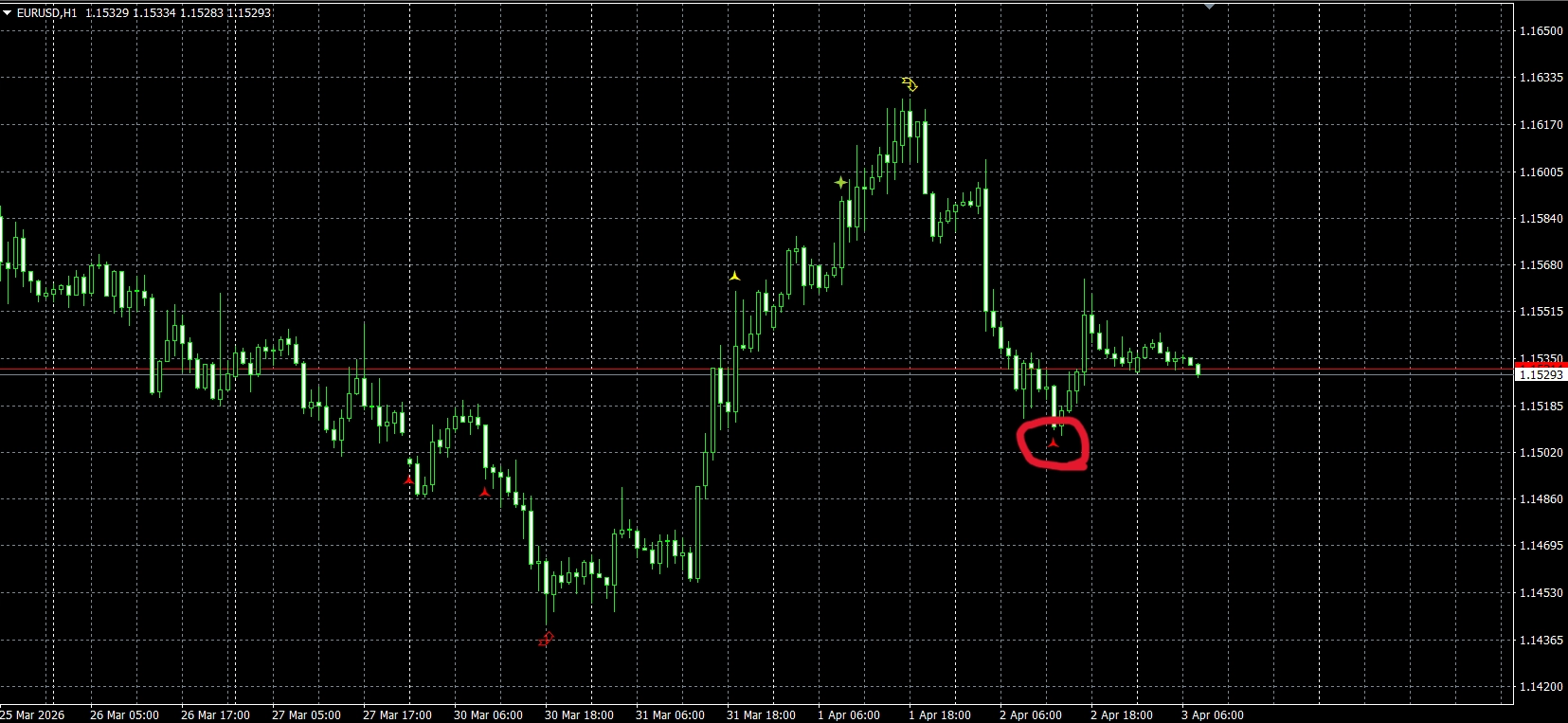
Yes, in yesterday’s EURUSD 1H, after the first-entry step, it moved against us by about 80 pips, and after the second-entry step, it moved against us by about 30 pips.
It was an inquiry along the lines of, “I’m worried because it’s moving against me.”
I,I was confidentthat this chart was currently declining.
Of course, I cannot clearly say, “After this, it will drop. So it’s fine.” That would be investment advice.
Holding back the frustrated feeling, I said, “The method confirms on the opposite side’s signal, and that verifies to a net positive in backtesting.”
Whether I am now holding the position with peace of mind or broke the rules and cut losses, I do not know.
It may be harsh, but
Honestly, if you cannot withstand a 100-pip unrealized loss, you should quit trading immediately.
This is my opinion.
Many trading textbooks say that “cutting losses is important.”
Indeed, cutting losses is important.
However, many people are mistaken in thinking “if I cut losses, I will win” or “if I cut losses, I am great.”
In fact, I was like that too.
For example, when entering on a signal or trendline, do you place your stop right below the signal or just below the trendline?
This,will absolutely lose.
There are only about once-a-year levels of stop-loss significance.Only then does it matter.
Do you understand why people say stop-loss is important?
If you quickly take small losses, you will lose.
Anyone can do that.Rather,the people who chant “stop-loss is important” while actually taking lossesare the ones who mostly do this.
Global traders know that suchstops that cut into popular levels are profitable to hunt, so they hunt every stopline that normal people would place.
If there’s a line that’s about to break but hasn’t yet, you’d normally think, “I’ll go long here.”
Would you place that stop slightly below the line that was just broken?
Yes, that’s a loss.
If you throw a slightly larger position, the market will move a little in your direction.
If your hypothesis aligns, it’s easy to set a stop tens of pips away.
This movement is not the market moving by itself; it’s shaped by traders around the world.
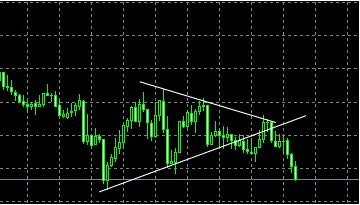
You’re not trading like this, are you?
Nevertheless, moving the market by hundreds of pips is difficult.
That’s why,treating short stops as noise and placing stops outside the short- or mid-term range is the approach.
Placing such stops requires substantial fundamental factors or genuine demand like acquisitions to occur.
Scalping is more about reading the move after a stop is placed. If normal people win, they should be day trading.
First of all, what is the reason for fixed stops?
Aren’t you not putting enough effort into the chart?
Continuously watching the real-time chart,
trading against Harvard-educated elites using high-performance AI chart analysis, while you yourself do not stay glued to the chart, how far can you go?
The market moves in real time.
Therefore, discard the concept of fixed pips for stops and execute in real time.
With鬼速AI, there is no manual stop other than stop-loss at the time of Sync signal confirmation.
Fixed-pip stop-loss is easy. And you will lose.
It’s easy to endure a 10,000-yen stop, but taking a 100,000-yen stop once requires courage.
If you implement real-time stops, you’ll face unrealized losses that feel like you must cut losses.
And you’ll face the difficult decision: will it clearly not return? or will it return without fundamentals?
Only when you decide correctly and determine that it will not return should you cut losses.
Then you can finally win.
In other words,“getting used to small losses is a weakness”.
This is the minimum loss-management method I have arrived at for discretionary trading.
If a 100-pip reversal makes you sweat, you are clearly using high leverage.
Quit trading. It is gambling.
If you cannot treat it as gambling, and you cannot stop high leverage, or you aren’t even aware that you’re using high leverage,
then you should quit trading.
Alternatively, fix leverage to 10x up to 500,000 yen, and then reduce step by step to 9x, 8x, and so on.
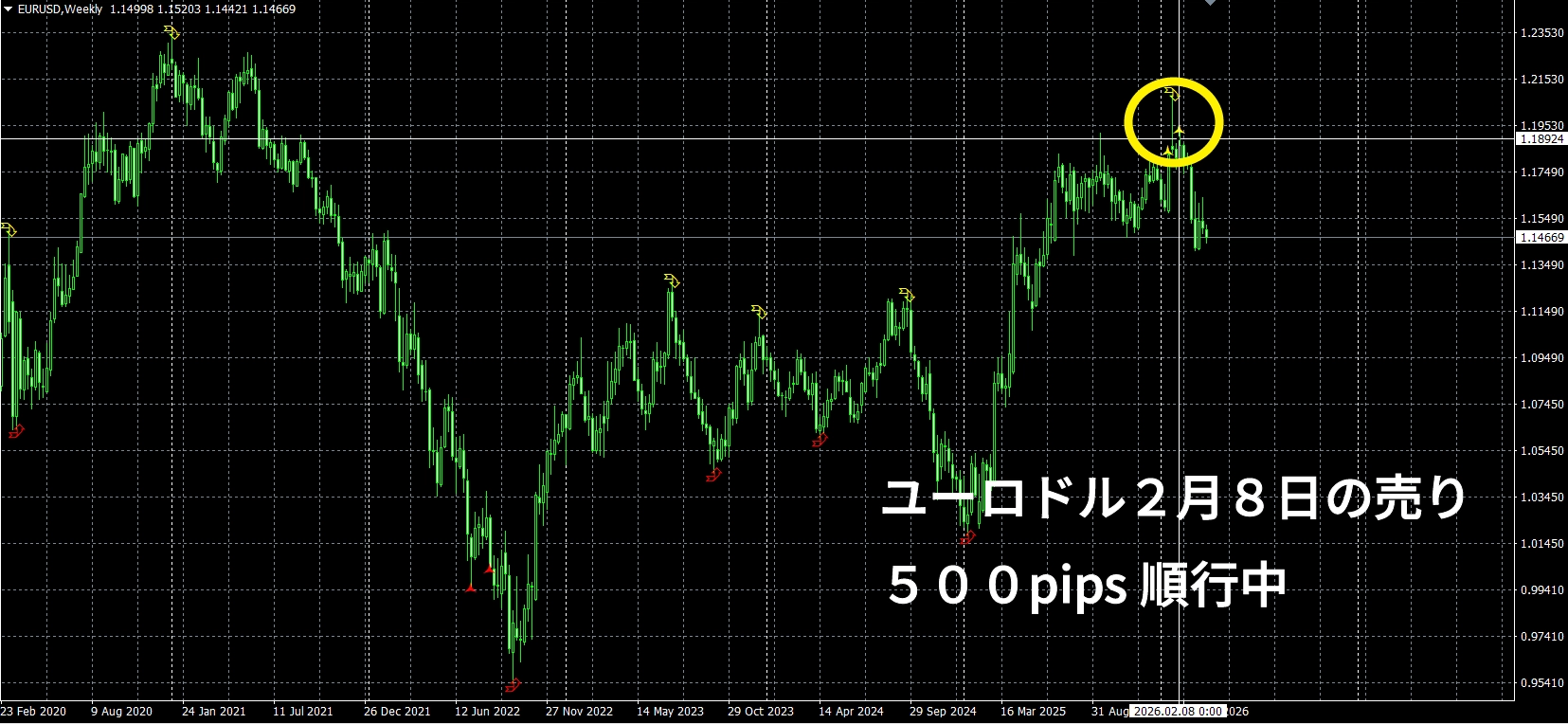



Is it OK?