

Is Boeing, which fell due to the accident, a "buy"? An analysis of its strengths
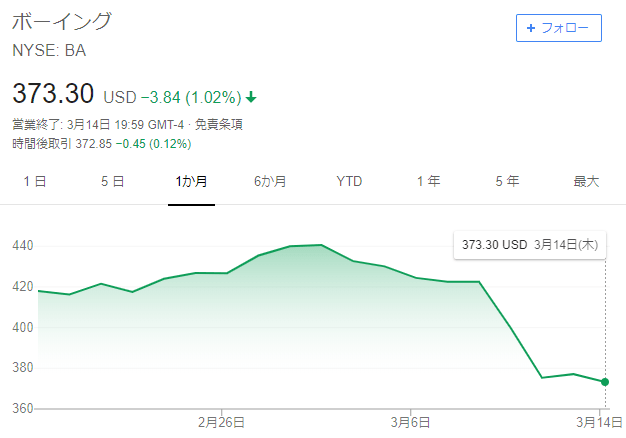
Following the crash of an Ethiopian Airlines aircraft, Boeing (BA), which manufactured the aircraft, has fallen about 15% from its recent peak. The market adage says“When there is an accident, buy; when there is a case, sell.”But is Boeing now a “buy”?
In an expanding market, the benefits of a duopoly are substantial
When you think of Boeing, there are probably few who don’t know it if you have any interest in aircraft.The world’s largest aircraft manufacturerand it shares the market with European Airbus.
Civil aviation is a duopoly between Boeing and Airbus. Airlines around the world purchase aircraft from either of the two. Mitsubishi Heavy Industries is aiming to enter with the MRJ, but difficulties indicate that new entrants are not easy.
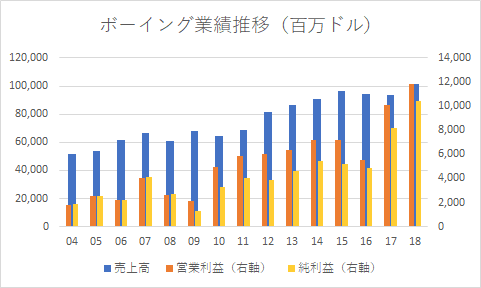
Boeing’s management is in an exceptionally strong position. Excluding temporary dips, its performance has continued to grow, and its profit margin has risen. The most recent operating margin exceeds 10%.
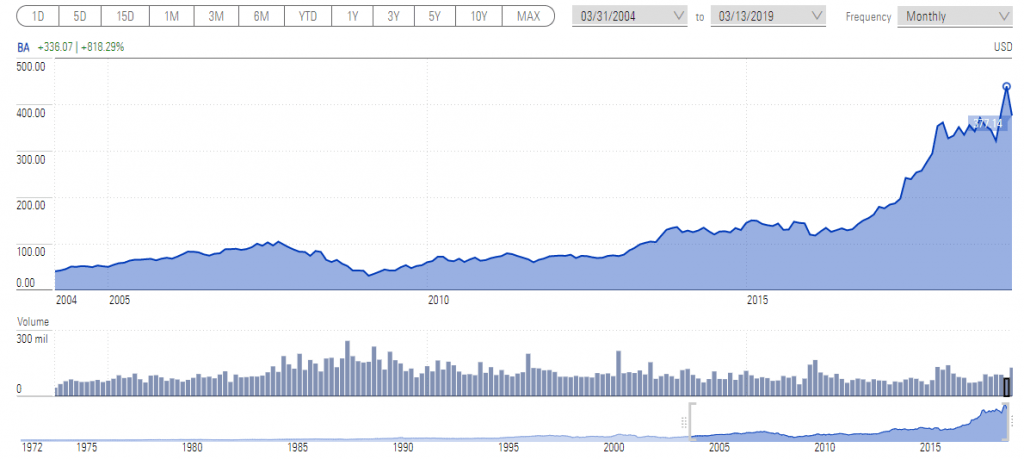
The stock price has been solid as well, with especially remarkable recent growth.
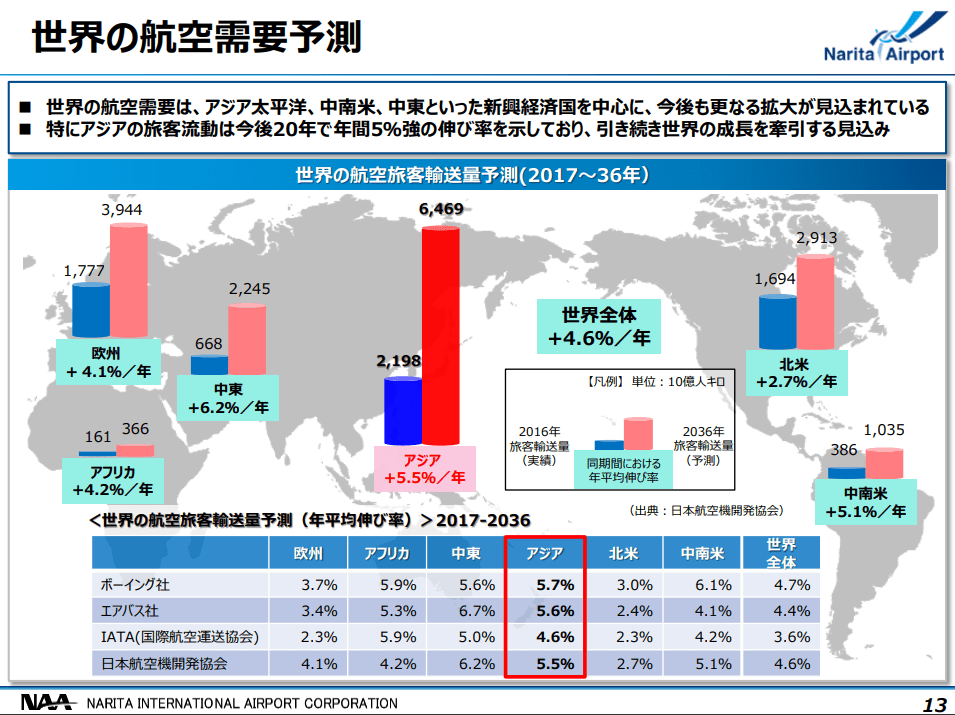
Such strong performance is becausethe aircraft market continues to expand globally. There are temporary dips due to events like 9/11 or the avian flu, but even so, globalization and the development of large economies in emerging markets (China and India) keep demand for aircraft rising.
In a market that continues to expand, the two-company oligopoly is quite advantageous. Demand will rise even if you stay silent, so if you keep selling suitable products at appropriate prices, profits—and thus the value of the company—will grow with market expansion.
The high costs of development and manufacturing and long lead times are risks, but these too should be mitigated by the company’s accumulated experience.
Therefore,it can be said that it is a stock that is likely to be profitable in the long term. For me as well, it is a stock I would like to add to my portfolio.
When is a good time to buy? If you bought after Lehman, it would have grown tenfold
So, is “now” the right time to buy?
The accident was painful, and halting operations for similarly configured aircraft is negative, butthe orders for Boeing are unlikely to be affected.
This is where the oligopoly works in its favor. If not Boeing, customers would have to choose Airbus, but Airbus could face similar concerns.
No other company has the same track record as these two, so moving to a new entrant is worrisome.
The stock price stopped falling and did not crash. The market seems to be judging calmly.
Originally,the recent stock price seemed a bit high. While earnings are solid, this owes somewhat to favorable economic conditions.
Even with stable earnings, the economy cannot be completely ignored,as it is affected by the business cycle. Based on current performance, it could be painful if the cycle turns.
The trailing PER is 21 times.If you conservatively assume earnings are seven times, the PER would be 30 times. If demand forecasts hold, sales growth is about 5% per year, so there is some overvaluation.
If you buy, the timing would be as follows:
- During overall market declines
- During earnings deterioration associated with a worsening economy
- When a pessimistic mood toward the aviation sector similar to 9/11 spreads
In such times, even a good company cansee its stock price drop to half. Yet, afterward the price has continued to rise steadily.If you bought after Lehman, it would have grown tenfold.
It’s hard to buy when prices have fallen, butif you maintain a long-term view and commit to holding, you can buy with confidence.
If you keep an eye out for good stocks and wait for the right opportunity rather than acting immediately, you can minimize risk and secure steady returns.