

FX: Pos-Pos Disease, How Not to Do Revenge Trading
Simple Logic FX Sales Page
Simple Logic FX Gold Edition Sales Page
USD/JPY Key Foot Logic - FT5 Verification Results This Week
This week’s verification results ended positively.
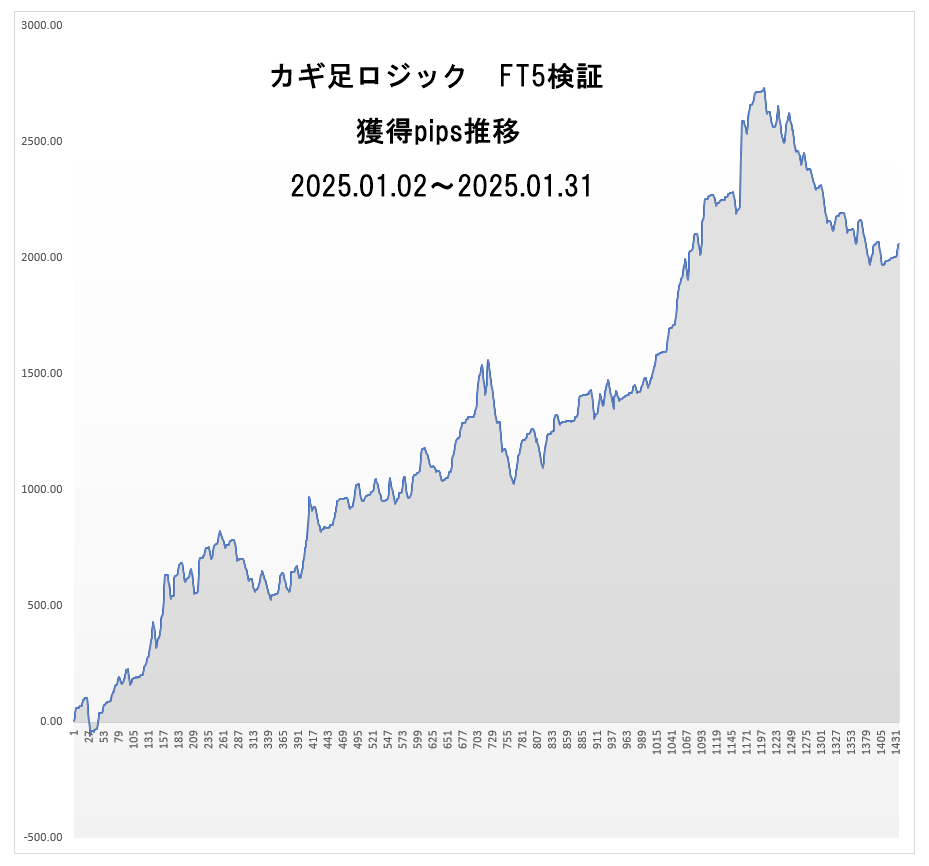
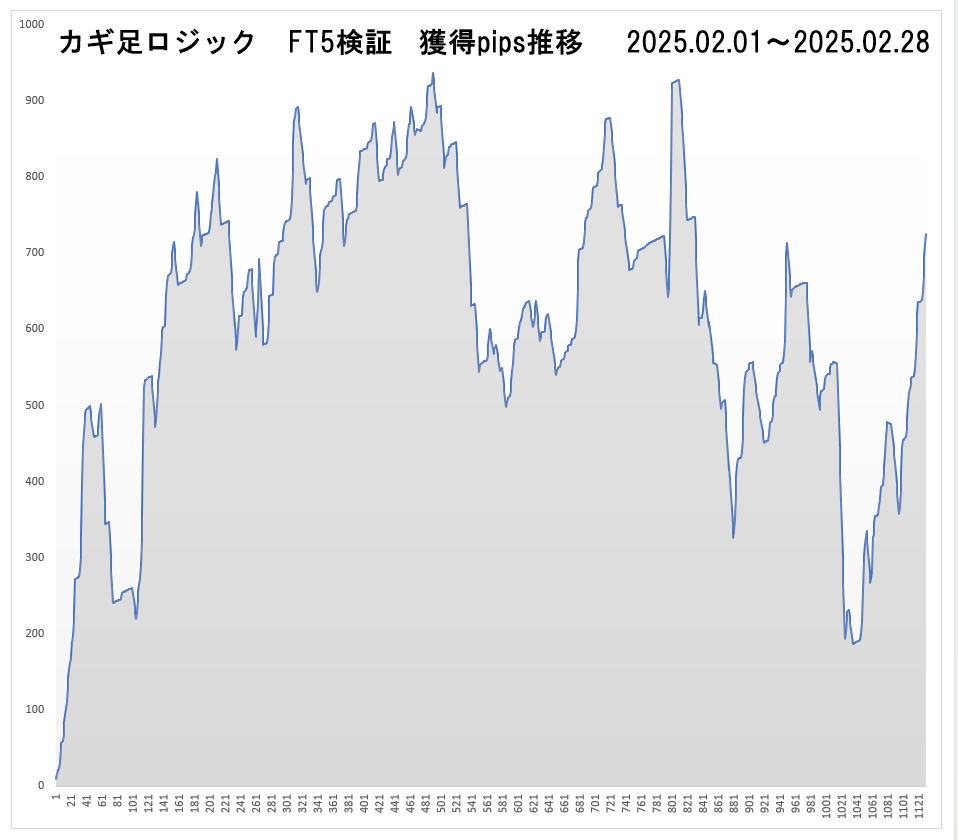
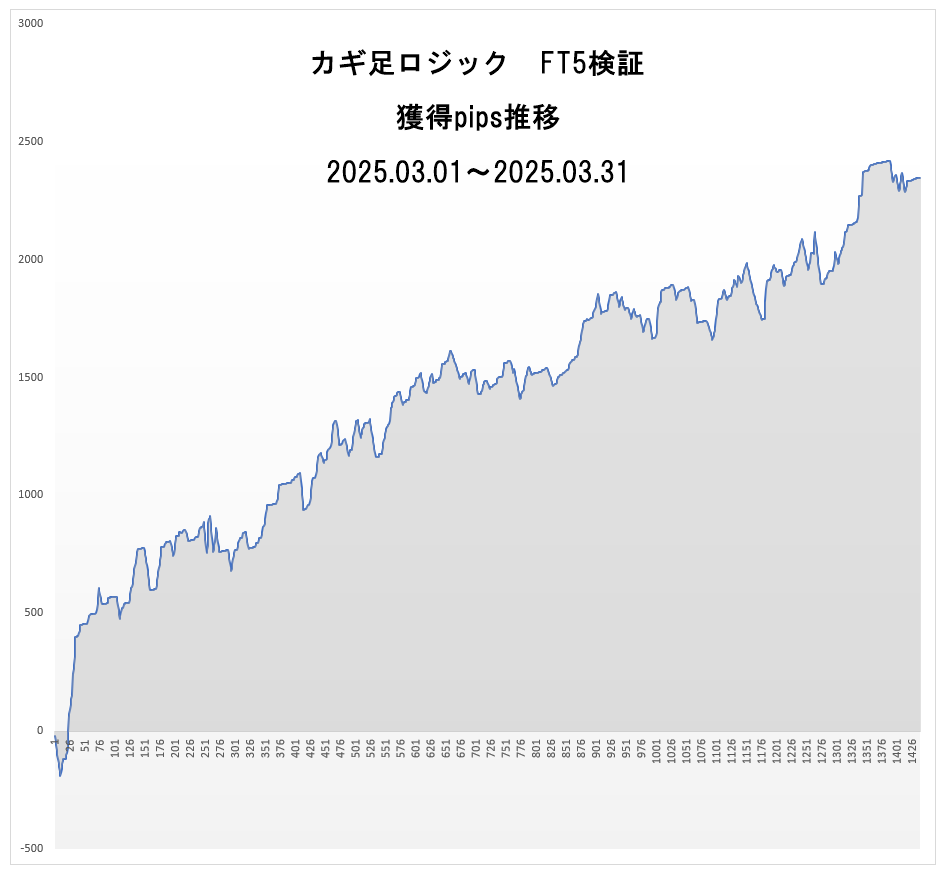
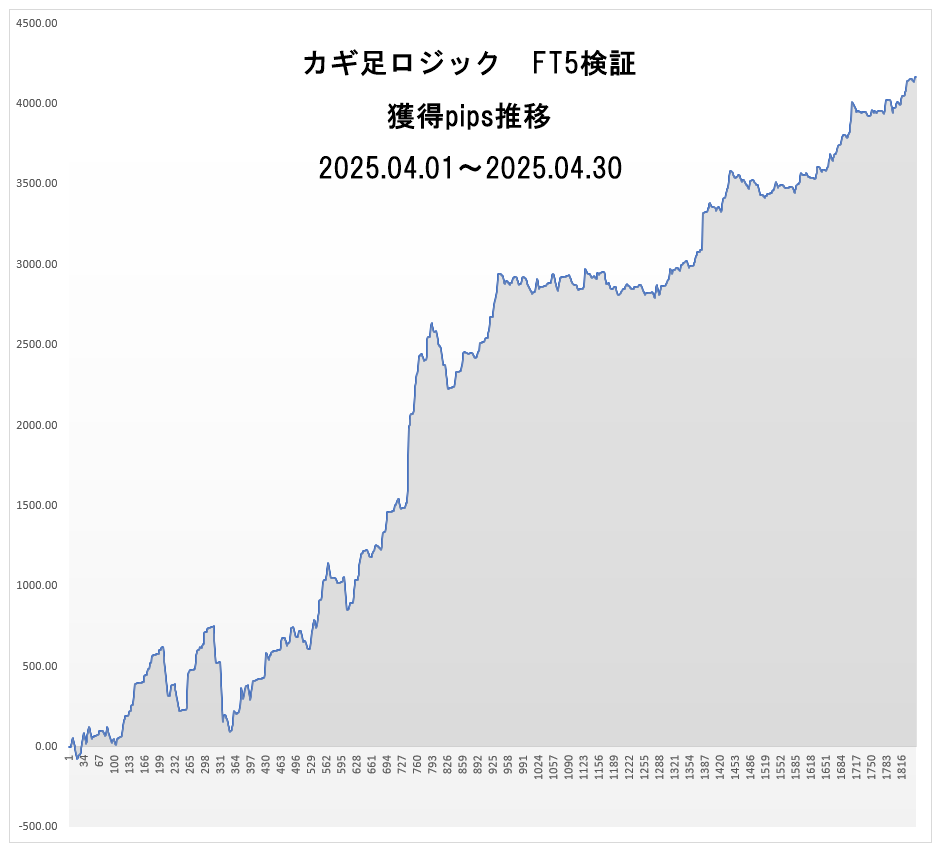
I will also publish the results for September’s totals and each month’s performance this year.
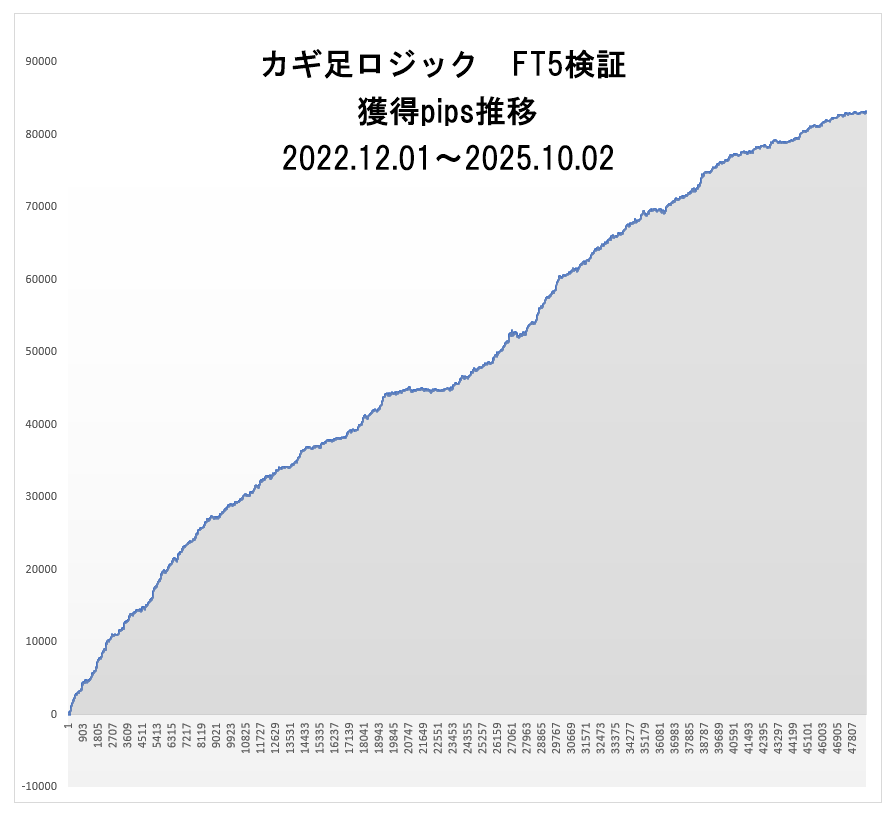
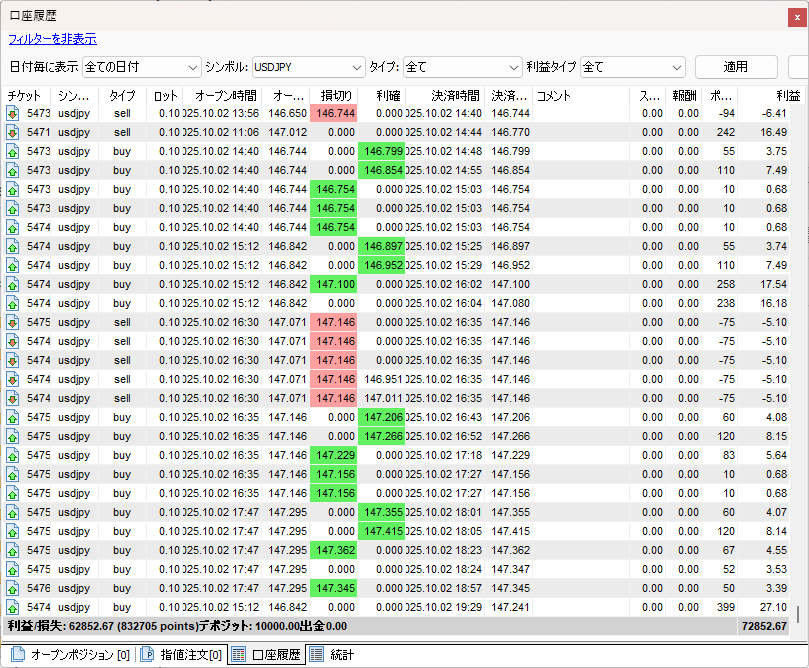
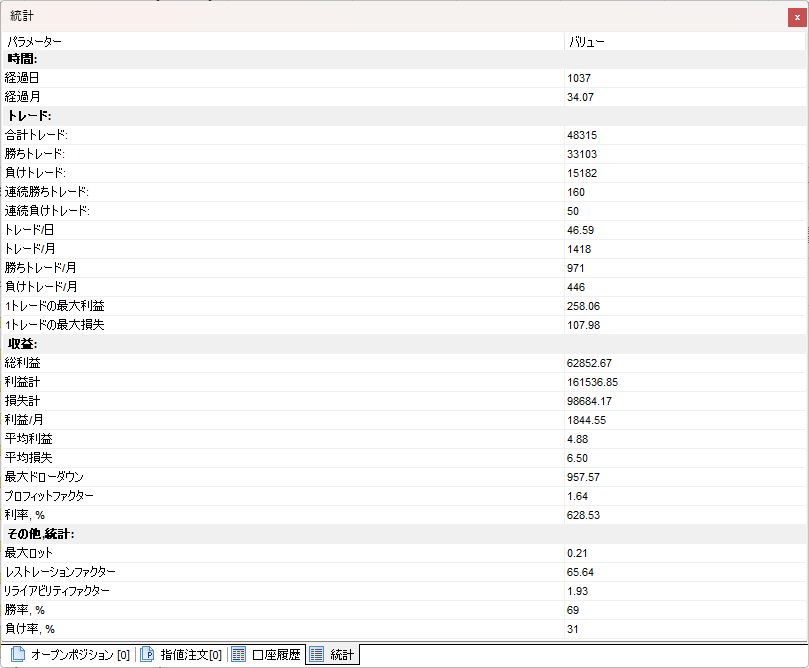
Friday, September 26
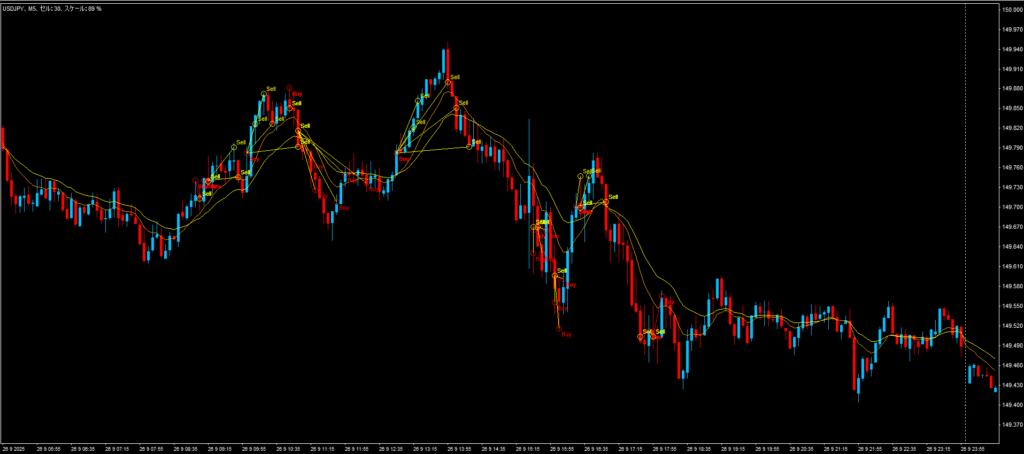
Monday, September 29
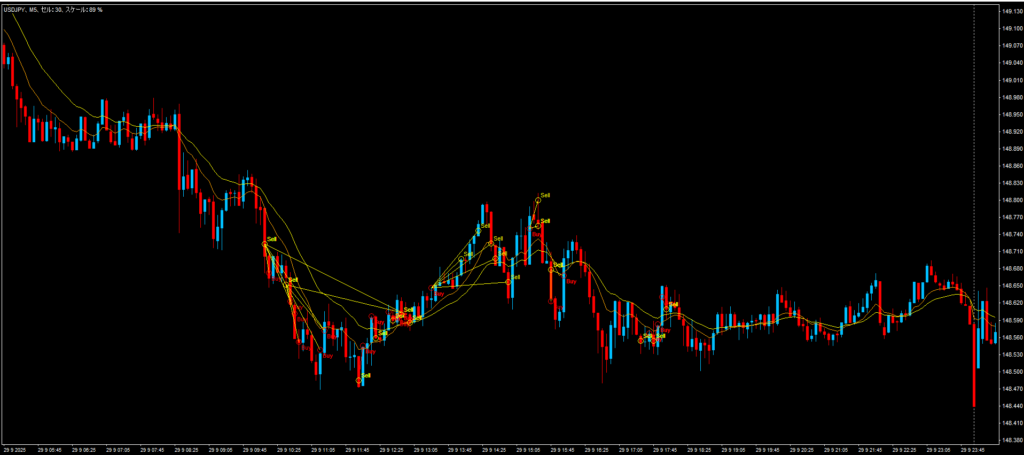
Tuesday, September 30
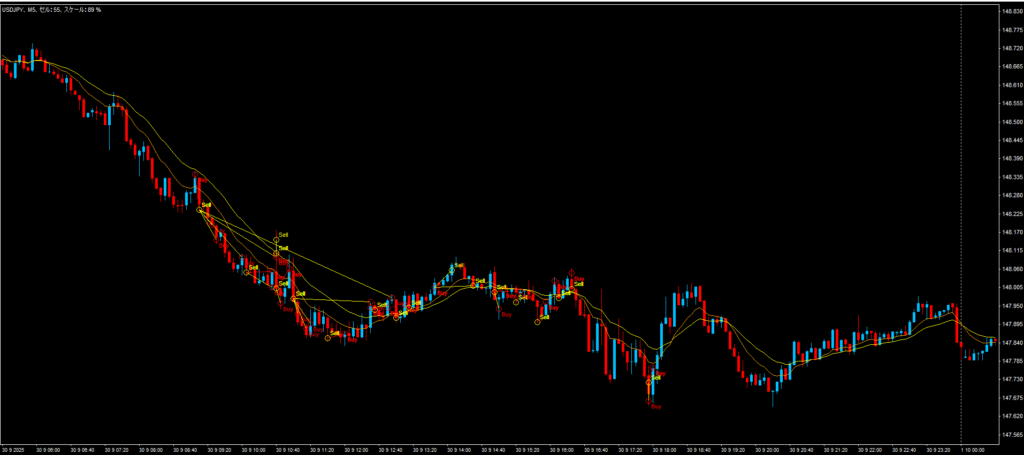
Wednesday, October 1
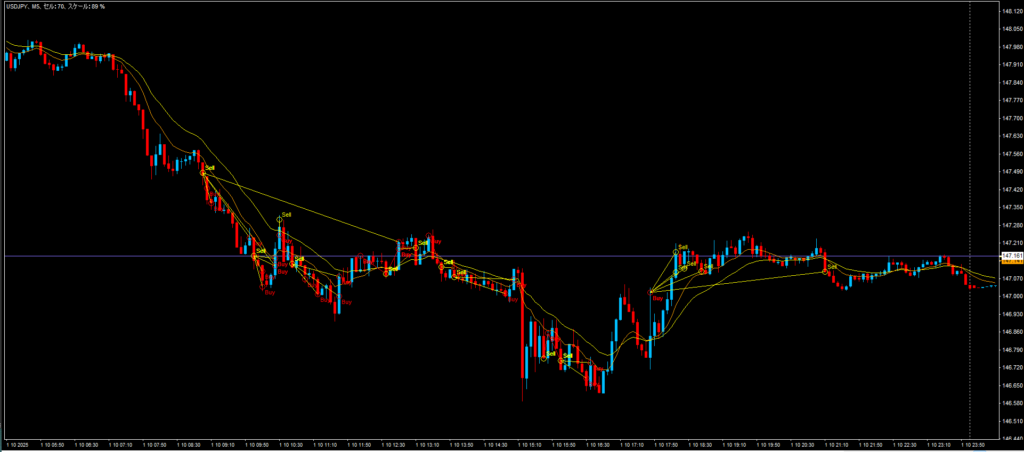
Thursday, October 2
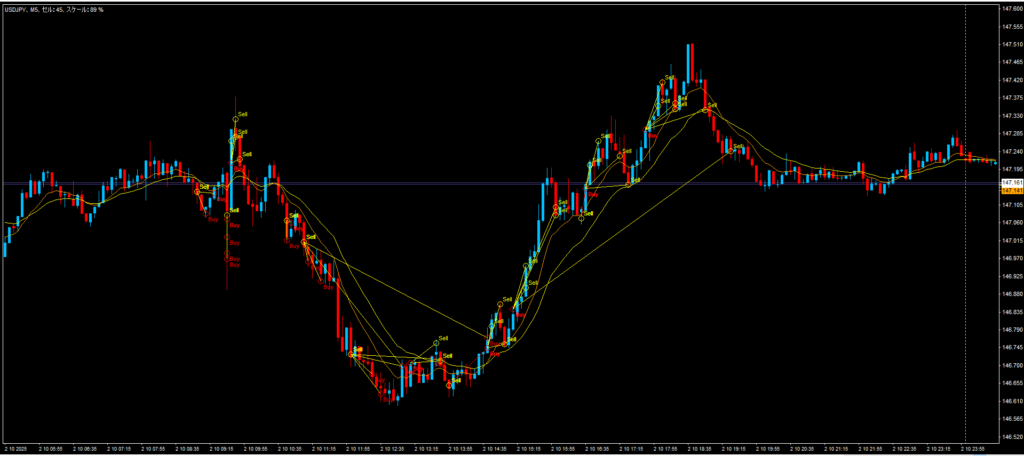
January 2025
February 2025
March 2025
April 2025
May 2025
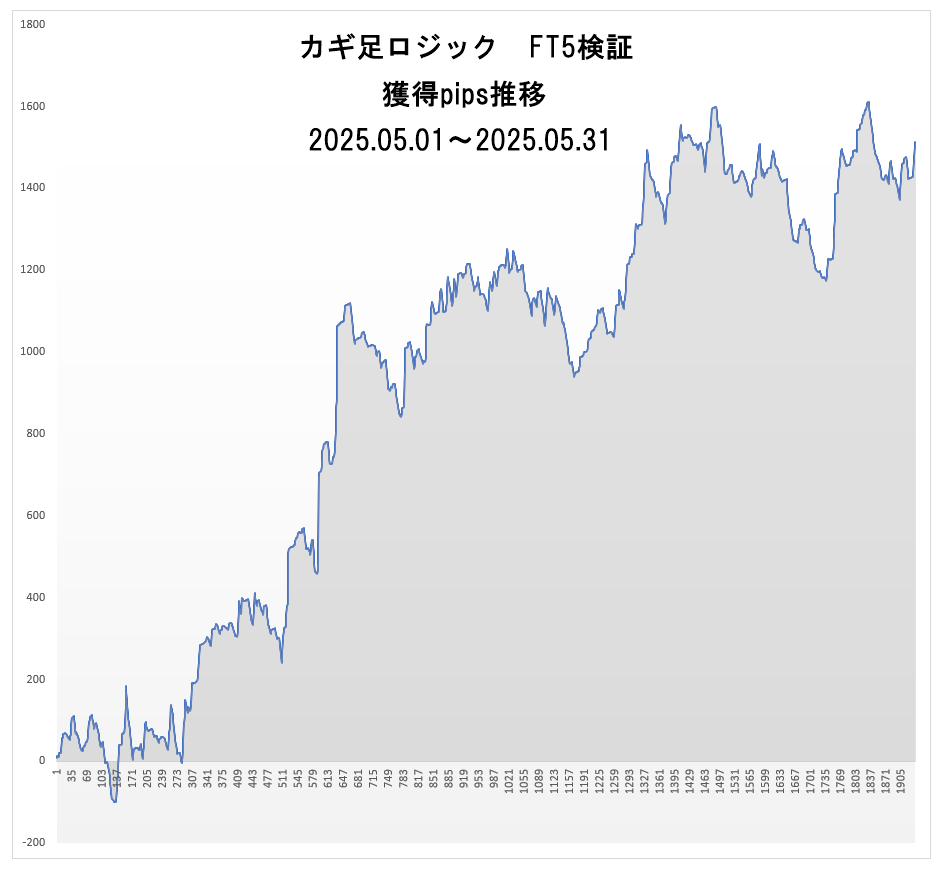
June 2025
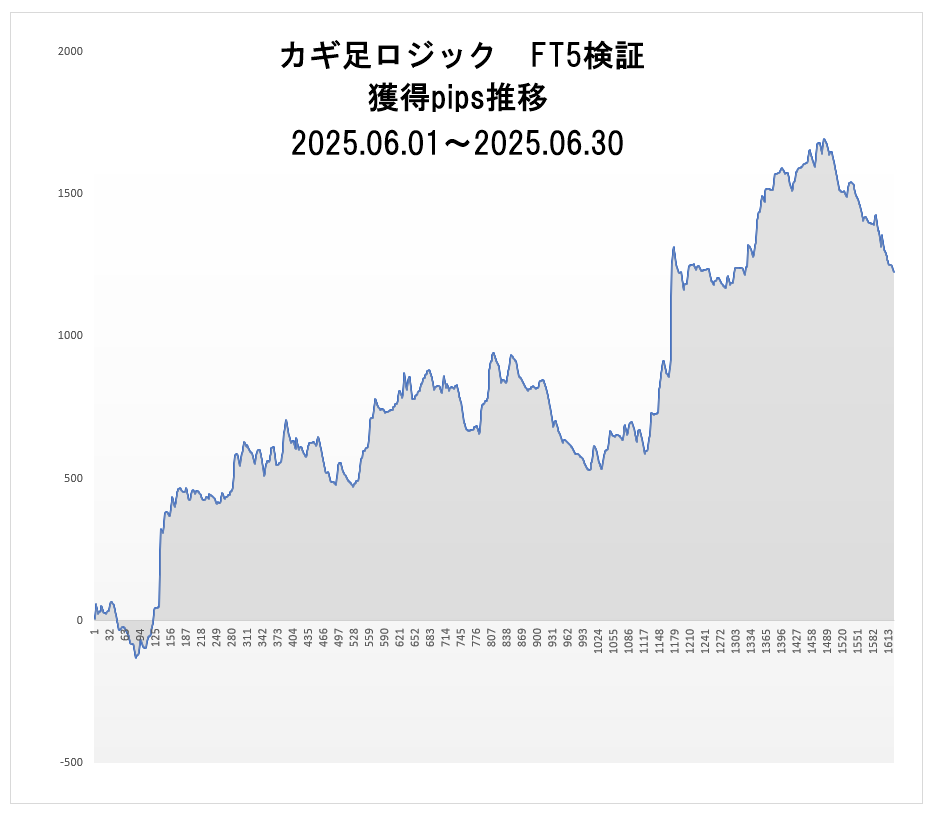
July 2025
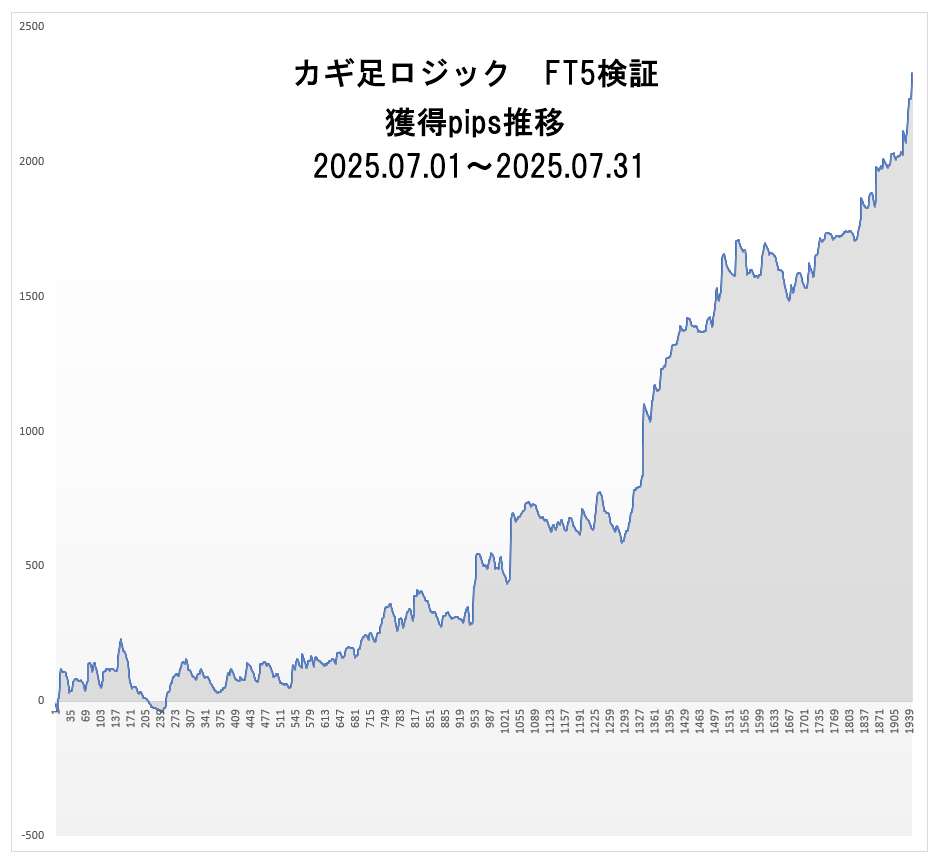
August 2025
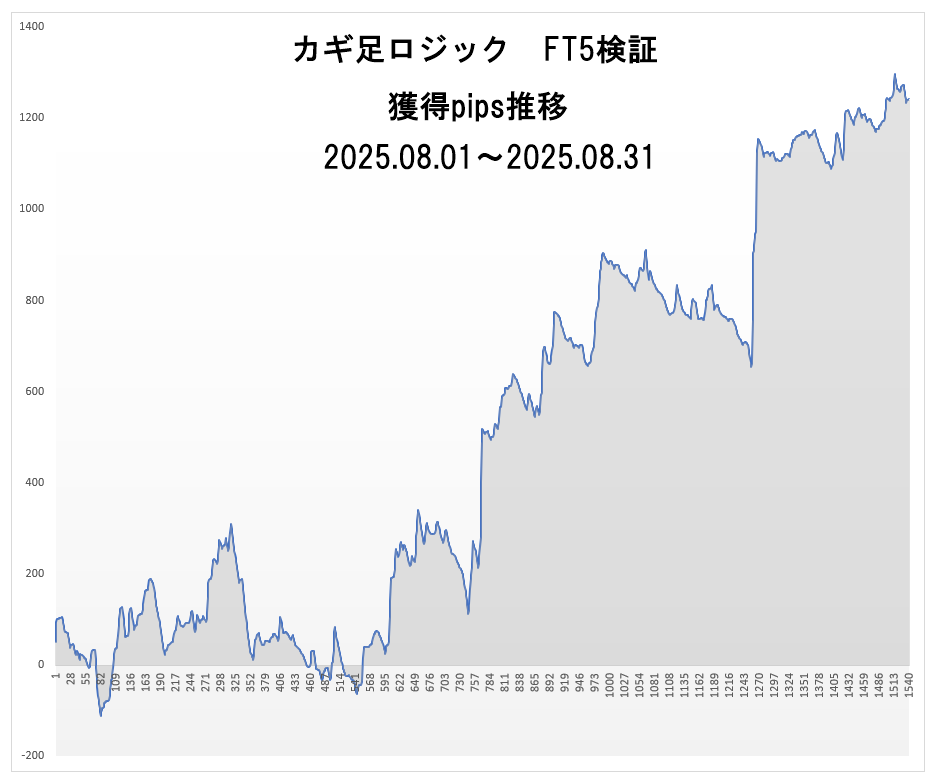
September 2025
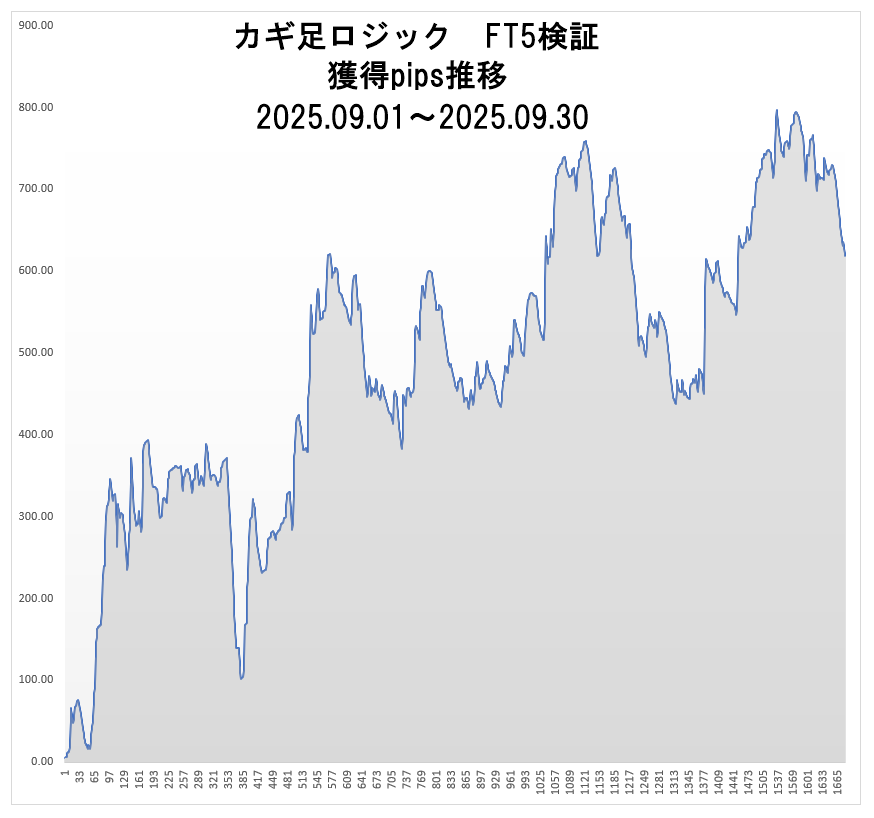
We will finish the陰陽決済 (yin-yang settlement) verification that has been conducted since May by the end of September.
From October, we will revert to placing SL on the basic rule’s break line.
Although陰陽決済 showed an edge,
there are questions remaining,
and in real trading, the reservation orders after yin-yang settlements
can be a bit busy.
For these reasons, we have decided not to add this to the FT5 verification’s basic rules for now.
In the future, once a verification EA is completed
and longer-term high-precision verification is possible,
we will reconsider.
Of course, during ranges陰陽決済 is very good,
and if we limit entries that repeatedly occur on the same break line
it will become easier to use.
If陰陽決済 fits your rules,
please clarify the timing and number of uses in your rules when using it.
Add trading restriction feature to System B’s indicator
From K who is helping build System B,
when we were creating the indicator,
we received this request.
――――――――――――――――――――――――――――――――
If this feature existed, it would be fantastic,
the “Rule Compliance Filter.”
One of the most common issues with 1-minute scalp entries is
forcing entries to fit one’s own interpretation for an OK signal,
leading to excessive entry counts and eventual losses.
That would be solved if, after a signal appears, there is a rule that you must not enter unless within three candles,
thus making entries automatically prohibited after a signal for a period.
As soon as a signal appears, if you get a phone call or a quick break (to use the bathroom),
you could step away briefly and return,
giving a small allowance of time—three minutes.
If a method has an edge,
you would enter only when a signal occurs,
and when you lose, calmly wait for the next signal and enter.
I want to implement this mechanically and calmly.
After a loss, if you become emotional
and engage in revenge trading by increasing position size
which you don’t normally do,
with proper money management,
it should result in a steadily rising profit curve.
――――――――――――――――――――――――――――――――
When we received this request,
I felt that if this feature is possible, it would be very well received,
but
as it’s an indicator, I thought it might be impossible.
When I casually consulted the programmer,
it turned out to be possible under certain conditions.
Below are the ideas I wanted to explore and the programmer’s answers.
――――――――――――――――――――――――――――――――
● Consideration ideas
・Entry restriction function
Since ZigZagH is an indicator, such a function may not be possible, but I would like something like this if available.
Is this possible?
・After an alert, from the time N(180) seconds elapses until the next alert, prohibit entries for the relevant MT5
・Purpose is to prevent over-trading and revenge trading
After entering on an alert and losing, you can’t wait for the next alert and end up entering again
● Programmer’s answer
If we can switch off the MT5 menu’s “Algorithmic Trading” button to disable EA usage, that should be possible.
(If the prohibitive condition is not met, turn the button ON.)
If the OFF condition is active, manually turning ON will return to OFF
However, if you restart MT4, switch timeframes, or switch currency pairs, the indicator will reload and OFF conditions reset
① Alert notification
② Remember notification time
③ After 180 seconds since notification, OFF condition is met
④ If ON, automatically switch to OFF
⑤ Maintain OFF condition until the next alert notification
――――――――――――――――――――――――――――――――
For controlling the MT5 “Algorithmic Trading” button ON/OFF to use EA,
this is possible, apparently.
System B considers using Simple Limit G, so
if we can ON/OFF Simple Limit G
we can forcibly stop entries,
which would be great.
I definitely want to include this
and have placed the order.
Entries from MT5’s “New Order” are possible, but
restricting entries from Simple Limit G would be very nice.
Working with users to develop the logic is new to me, but
K has brought many ideas that I would not have thought of,
and the project is progressing in a very good form.
Gratitude to K.
Progress of Simple Logic FX
As mentioned in the main theme,
System B’s indicator
ZigZagH has been commissioned.
It looks like it will be completed in about 10 days, which is exciting.
Once completed, we will have K use it and
based on feedback, improve the completeness.
Then, we received results from K for the current rule’s non-discretionary testing.
Risk-reward 1:1.3 with a win rate of 60%.
Excellent results.
I will share the details and K’s impressions.
――――――――――――――――――――――――――――――――
● K: Past Verification Results for Four Months
・June 2025 to September 2025: 73 days
・21:00–24:00
・XAUUSD: 1-minute chart
・Total trades: 223
・Average trades per day: 3
・Risk-reward 1:1.3
・Maximum consecutive losses: 11
・Singlish (Single) 66%
Gigi 53%
Shin-Shin 54%
Overall 60%
Using past charts from June to September,
we tested the Singhi principle.
In 1-minute trades.
The result was better than expected and surprising!
Singhi appeared more frequently with higher win rate,
reaching 66%.
Gigi win rate 53%, Shin-Shin 54%,
overall win rate 60%.
Verification rules are as follows.
~Verification rules omitted~
Gigi and Shin-Shin often do not reach risk-reward 1:1.3,
so their win rates appear lower.
Still, a win rate above 50% is more than sufficient.
Also, Shin-Gi tends to ride the trend, so once entered, if the price moves against you you don’t exit the trade,
thus the cases reaching risk-reward 1:1.3 are more frequent than other Shin-Gi, Shin-Shin.
Indeed, trend-following has an edge.
Maximum streak of losses is 11.
With a two-round method, it could bankrupt in one season, but
with term-based capital and four seasons’ worth of funds, it’s not scary at all!
No need for higher-timeframe environment recognition,
by relating to the reference SMA and capturing waves,
entrants are based on solid candlesticks with evidence.
Perhaps this is a method not seen before.
Initially, we started with a minute-bar, then a engulfing pattern, and then Do’s suggested way of viewing bars,
then we unexpectedly found the entry-bar’s edge.
Perhaps this is a remarkable discovery!
If you only take the losing streak portions, it may look unusable,
but with many tests and evaluating by probability,
you’ll see the edge emerge.
Many insights have arisen and it’s become very interesting!!
● Do.’s Reply
Thank you for the verification results!
I checked the images and Excel file.
Amazing results!
This is exciting.
As you said, I’ve never heard of MA and wave-based trading logic like this.
Also, recently during a Zoom call with someone who is considering purchasing Simple Logic FX, they were very interested in System B.
K’s logic, is it range or trend-based?
I replied that either can work as long as the conditions are met.
Right after, I thought: it’s rare to have both range and trend usable.
K’s discovery of versatility without being tied to a single market is powerful.
If you begin to see this edge, even if you don’t enable a certain market, you can still take advantage.
Even if you have 11 losses in a row, with clear term-based capital management, it isn’t scary.
There’s still time needed to complete development, but I’m excited about EA-based verification.
――――――――――――――――――――――――――――――――
What K has said about
“two-round method, one season, term-based concept”
is the capital management logic intended for the verification EA.
In this verification,
even without capital management logic, it stayed profitable,
showing that the basic logic is solid.
Adding capital management logic will aim for stability.
Have a wonderful weekend.
Thanks
Do.