|
Hello! This is Tejima from GogoJungle.
A hugely popular series: a conversation between our CEO, Hayakawa, and developers!
This time,naohas joined us.
We’re giving away three free gifts from nao this time!
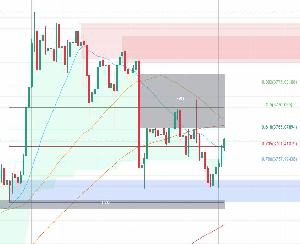
1) Smart Money Concepts (SMC) Market Structure Understanding video
2) Indicator for TradingView
3) Beta version of the reverse tundere
Be sure to get them using the password revealed in the video.
|
|
|
| A trader who has mastered the red-hot SMC (Smart Money Concepts) |
|
nao
Has a diverse background in company management, monastic life, and investing.
Results improved after reducing indicators and practicing simple trading.
Understands the actions of large traders and reads the chart.
|
|
|
Company management, monastic life, investing... Who is the trader nao?
|
| First, may we ask about your career so far? |
|

|
| GogoNyan |
|

|
| nao |
|
| Yes. After working at a construction company, I became independent and ran businesses such as nursing care and real estate. |
|
| How did the businesses go? |
|
|
|
| GogoNyan |
|
|
|
| nao |
|
| I struggled for the first six months, but after that performance grew steadily. |
|
| When did you start investing? |
|
|
|
| GogoNyan |
|
|
|
| nao |
|
I started around age 32, in parallel with my businesses.
I also decided to enter monastic life, so I handed the businesses over to my successors. |
|
I see. The altruistic idea of wanting to share what worked in investing with others resonates with Buddhism as well.
Have you always focused on FX and CFD gold in your investing? |
|
|
|
| GogoNyan |
|
|
|
| nao |
|
Yes, now I trade gold exclusively.
I started around the time of the subprime mortgage crisis in 2007.
Back then there weren’t many materials, and it was a time when even searching online for methods yielded little, so I lost 5 million yen in three months after I began trading.
I stepped away from trading for a while to focus on running companies and on monastic life. |
|
|
[Turning Point] It wasn’t drawing more lines, it was reducing them.
|
| I believe you stepped away from trading for a time. When did you resume? |
|
|
|
| GogoNyan |
|
|
|
| nao |
|
Yes, I resumed about 10 years ago. There was more information than in 2007, but since I was self-taught, it was still quite tough.
There were many times I thought my chart feed must be fake because price kept moving against me. |
|
| So you had difficulties even after resuming. |
|
|
|
| GogoNyan |
|
|
|
| nao |
|
| Until then, I used multiple indicators and drew so many lines that I could barely see the candles, but it didn’t work well. |
|
| What was the trigger for your trading results to improve? |
|
|
|
| GogoNyan |
|
|
|
| nao |
|
One day a profitable trader told me, “Why not make it simpler? You can’t see anything like that, right?”
From there, I pared it down to just candlesticks and MAs (moving averages), and for three months I didn’t trade—just watched charts from morning to night.
Then there was a moment when the way I saw charts changed, and I became able to see direction.
Looking back, I think it was the moment when the dots I’d learned connected into lines. |
|
| So you internalized chart patterns and your results improved. |
|
|
|
| GogoNyan |
|
|
|
| nao |
|
| Yes. There were several moments when the “view” of the chart changed—dots became lines, lines became planes, and planes became three-dimensional. |
|
|
SMC...? What’s really moving the charts was XX.
|
| After that, I believe you also taught your trading to others. How did it go back then? |
|
|
|
| GogoNyan |
|
|
|
| nao |
|
| I posted my trading results on social media and had chances to teach those who reached out, but it didn’t go well. Trading is usually solitary, and I realized I hadn’t verbalized my methods, so I was trading more on feel. |
|
| I heard that the keyword SMC (Smart Money Concepts) was another turning point for you. |
|
|
|
| GogoNyan |
|
|
|
| nao |
|
Yes. I already had my own established method, and when I was teaching it to people, someone said, “Isn’t that SMC?”
At the time I didn’t even know the term “SMC,” but as I aligned the terminology and theories used in SMC with my own thinking, it became easier to convey to others. |
|
|
|
|
|
| GogoNyan |
|
|
|
| nao |
|
It’s important to understand the thinking and rationale of large investors.
This is crucial not only in SMC but in investing in general: always be aware of “who is moving the chart.”
Some say it’s “crowd psychology” moving the charts, but in reality it’s “the true large players such as banks and funds.”
Therefore, if you understand how they think—the ones moving the chart—you can read the chart. |
|
I see.
It’s crucial to know the underlying side—the rationale. |
|
|
|
| GogoNyan |
|
|
|
| nao |
|
Yes. GogoJungle offers excellent indicators and signal tools, but if you don’t understand what’s behind the signals—the logic—you might make wrong judgments, like “This tool is bad because I had consecutive losses.”
Conversely, if you understand the logic, you’ll identify issues like money management, or decide to be selective about which signals to take.
Constantly switching tools makes it hard to build trading skills and is a waste—so I hope you’ll first dig deep into at least one thing. |
|
In anything, it’s important to first pursue one thing thoroughly.
One of the free gifts this time is a video called “Understanding SMC Market Structure,” and I hope you’ll also check out nao’s semi-discretionary support EA “tundere.”
In part two next time, we’ll dive deeper into SMC and tundere.
nao, thank you very much for today. |
|
|
|
| GogoNyan |
|
|
|
| nao |
|
|
| Part 1 |
| What’s really moving the charts was XX! What are the much-talked-about Smart Money Concepts (SMC)? |
|
|
|
|
| Free perks exclusively for video viewers! |
|
tundereR
A reverse pyramiding version of tundere
The bonus video (SMC Market Structure Understanding) is included in this product’s manual.
|
|
|