
100% my fault. You won’t be able to win unless you abandon the mindset of “I lost because of someone/something.”
I am Takashi, former accountant, psychological counselor, and trader.
This time,100% my own faultis the story.
Blaming someone else, blaming something—don’t do it.
Don’t shift responsibility.
In order to become profitable in trading,
you must discard the mindset of “I lost because of someone else or something else” in order to win.
For example,
I lost due to sudden news
I lost due to a prominent figure’s remarks
I lost because of the FX company
I was forced to cut losses because of a flash crash
I was targeted by funds, how horrible
Haven’t you said things like these?
You are a victim who lost because of someone or something.
People like this will not win.
Because if you lose because of someone else, you cannot do anything about it yourself.
”Choosing to be a victim”makes reflection and improvement impossible.
If you do the same thing without reflecting or improving, you will likely receive the same result (loss) again.
This is the natural cause-and-effect.
The cause of losing is 100% yourself
By thinking this way, you open up the possibility to reflect and improve.
“The 7 Habits of Highly Effective People” by Stephen R. Covey
The Principle of Personal Responsibility
If you believe problems are outside yourself, that belief itself is the problem.
This way of thinking isn’t limited to trading;
it is an important way of thinking to make your life happieras well.
One of the three great psychologists, Alfred Adlerand Adlerian psychologyalso holds this view.
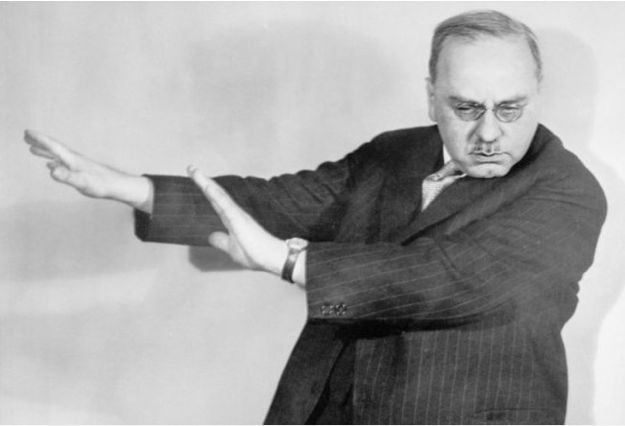
Everything is your responsibility
In the book “Introduction to Adlerian Psychology” by Ichiro Kishimi, it is written as follows.When you view life’s problems as your own, Adlerian psychology can be very strict.Even in the past and today, the idea that everything is your own responsibility has not been easy to accept, I think.~omission~If you have nothing you can do, all that remains is to wait with folded hands in the face of misfortune.Rather, you are the one creating your life, and when you realize you are the protagonist of this life, you learn that you must act.End.If you think the blame lies with anyone else, you will only be able to sit and wait with folded hands.I think this is the key point.Even those who are unhappy now can become happy by taking ownership of their lives and proactively creating their life.Adler says this.Regardless of birth or environment, all people can become happy.“The 7 Habits of Highly Effective People”also has this in the “First Habit.”Take responsibility for your life.The habit of taking initiative.The true nature of humans is to be proactive.Therefore, whether the choice is conscious or unconscious, if your life has been controlled by conditioning or surrounding circumstances, it is nothing but a surrender of control to those things.If you give up responsibility for your life, you become reactive.End.To blame someone else is to give up responsibility for your life and give up happiness.“When you stop saying ‘That person did this to me…,’ everything in life will go well!”— authorFred Laskin (Stanford University clinical science researcher)In an interview, there was this discussion.Blaming others and shifting responsibility is an expression of not taking responsibility for your own happiness.Rather than taking responsibility yourself, you hand over authority and responsibility to someone else.Short-term it can be a viable coping strategy.For example, right after a car accident, saying “it’s the other person’s fault” can be effective.The problem with shifting responsibility is how long it lasts.As with other long-term effective coping strategies, shifting responsibility stimulates the sympathetic nervous system and drains the body.It also develops mental habits tied to emotional experiences.Resentment eventually becomes anger, narrowing our view and fostering fear or helplessness toward the target of anger.When you recall the target of anger, anger and resentment are triggered, making it impossible to see the person or event without those emotions.It is much better to forgive rather than harbor resentment.Blaming others is like saying your current happiness is six, but would be eight without your brother-in-law; by resenting, you lose that much.End.Even the happy wealthy never shifts responsibility onto others.“58 Habits of the World’s Rich People that Only the Butler Knows”Naoto Arai, President of Japan Butler & ConciergeI have interacted with many billionaires, and I have never seen them complain.They think, “If a shady person approaches me, perhaps I have some vulnerability,” or “If a new venture isn’t going well, perhaps I lacked discernment.”They never shift responsibility onto others.They reflect on their own actions and judgments to identify causes.No matter what problems arise, they view everything as a consequence they caused, so they reflect but do not engage in futile regrets or complaint.Complaining is the same as blaming yourself.Living your life proactively means this, doesn’t it?At least, it is far more attractive than a life spent complaining.End.Price movements and other people cannot be controlled as you wish.What you can control is yourself.Focus your awareness on the controllable you.“If only the other person would do this, the relationship would go well; but they won’t”Have you ever thought this? In friendships, romantic relationships, marriages, all relationships tend to be like this.This is the mindset of blaming the other person when things don’t go well.Instead,think, how can I make it work?Consider what you can do to influence the outcome.The other person may not move as you wish, but you can control yourself.Therefore, think in terms of reflecting and improving yourself.To continue.Summary of this timeYou won’t become able to win unless you discard the notion of “I lost because of someone or something.”If you choose to become a victim, reflection and improvement become impossible.If you think the problem lies outside yourself, you will only sit and wait with folded hands.If you believe the problem is outside yourself, that belief itself becomes the problem.If you stop saying “that person did this to me,” everything in life will go well!Shifting responsibility is an expression of not taking responsibility for your happinessThe happy wealthy never shift responsibility onto others.Reflect on your own actions and judgments to find the causes.No matter what problems arise, you view everything as the result you caused, so you reflect but do not regret fruitlessly, nor do you complain.If you found this article at least a little “interesting,” “educational,” or “worth reading again,” I would be glad if you shared it on Twitter, Facebook, or other social media.
When you view life’s problems as your own, Adlerian psychology can be very strict.
Even in the past and today, the idea that everything is your own responsibility has not been easy to accept, I think.
~omission~
If you have nothing you can do, all that remains is to wait with folded hands in the face of misfortune.
Rather, you are the one creating your life, and when you realize you are the protagonist of this life, you learn that you must act.
If you think the blame lies with anyone else, you will only be able to sit and wait with folded hands.
I think this is the key point.
Even those who are unhappy now can become happy by taking ownership of their lives and proactively creating their life.
Adler says this.
Regardless of birth or environment, all people can become happy.
“The 7 Habits of Highly Effective People”also has this in the “First Habit.”
Take responsibility for your life.
The habit of taking initiative.
The true nature of humans is to be proactive.
Therefore, whether the choice is conscious or unconscious, if your life has been controlled by conditioning or surrounding circumstances, it is nothing but a surrender of control to those things.
If you give up responsibility for your life, you become reactive.
End.
To blame someone else is to give up responsibility for your life and give up happiness.
“When you stop saying ‘That person did this to me…,’ everything in life will go well!”— author
Fred Laskin (Stanford University clinical science researcher)In an interview, there was this discussion.
Blaming others and shifting responsibility is an expression of not taking responsibility for your own happiness.
Rather than taking responsibility yourself, you hand over authority and responsibility to someone else.
Short-term it can be a viable coping strategy.
For example, right after a car accident, saying “it’s the other person’s fault” can be effective.
The problem with shifting responsibility is how long it lasts.
As with other long-term effective coping strategies, shifting responsibility stimulates the sympathetic nervous system and drains the body.
It also develops mental habits tied to emotional experiences.
Resentment eventually becomes anger, narrowing our view and fostering fear or helplessness toward the target of anger.
When you recall the target of anger, anger and resentment are triggered, making it impossible to see the person or event without those emotions.
It is much better to forgive rather than harbor resentment.
Blaming others is like saying your current happiness is six, but would be eight without your brother-in-law; by resenting, you lose that much.
Even the happy wealthy never shifts responsibility onto others.
“58 Habits of the World’s Rich People that Only the Butler Knows”
Naoto Arai, President of Japan Butler & Concierge
I have interacted with many billionaires, and I have never seen them complain.
They think, “If a shady person approaches me, perhaps I have some vulnerability,” or “If a new venture isn’t going well, perhaps I lacked discernment.”
They never shift responsibility onto others.
They reflect on their own actions and judgments to identify causes.
No matter what problems arise, they view everything as a consequence they caused, so they reflect but do not engage in futile regrets or complaint.
Complaining is the same as blaming yourself.
Living your life proactively means this, doesn’t it?
At least, it is far more attractive than a life spent complaining.
Price movements and other people cannot be controlled as you wish.
What you can control is yourself.
Focus your awareness on the controllable you.
“If only the other person would do this, the relationship would go well; but they won’t”
Have you ever thought this? In friendships, romantic relationships, marriages, all relationships tend to be like this.
This is the mindset of blaming the other person when things don’t go well.
Instead,think, how can I make it work?Consider what you can do to influence the outcome.
The other person may not move as you wish, but you can control yourself.
Therefore, think in terms of reflecting and improving yourself.
To continue.
Summary of this time
You won’t become able to win unless you discard the notion of “I lost because of someone or something.”
If you think the problem lies outside yourself, you will only sit and wait with folded hands.
If you believe the problem is outside yourself, that belief itself becomes the problem.
Shifting responsibility is an expression of not taking responsibility for your happiness
The happy wealthy never shift responsibility onto others.
Reflect on your own actions and judgments to find the causes.
No matter what problems arise, you view everything as the result you caused, so you reflect but do not regret fruitlessly, nor do you complain.
If you found this article at least a little “interesting,” “educational,” or “worth reading again,” I would be glad if you shared it on Twitter, Facebook, or other social media.